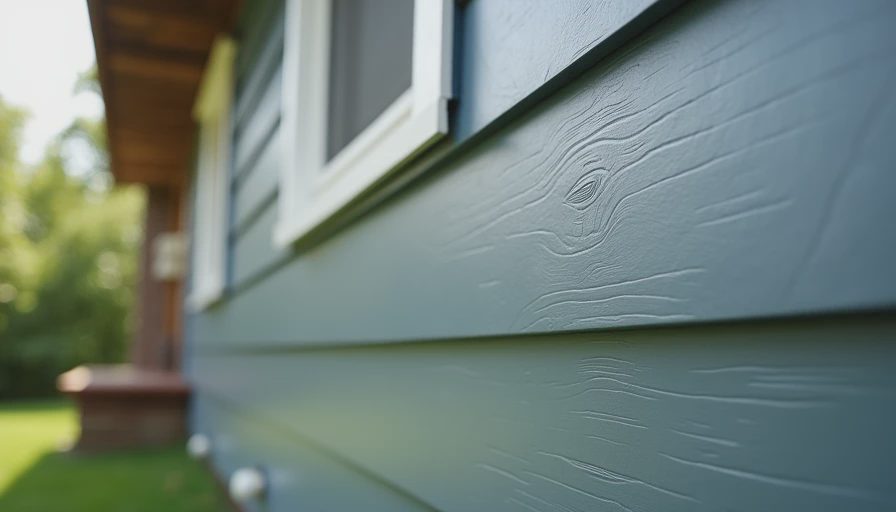
Let’s figure out what’s actually worth it.
“Insulated siding” sounds like an automatic energy upgrade. The product literature often highlights the R-value of the foam backing and suggests meaningful reductions in heating and cooling costs. For homeowners already planning to replace siding, the extra cost can feel like a logical add-on. The reality is more nuanced—especially in hot, humid Southern climates where cooling loads dominate and the wall assembly as a whole matters more than any single layer.
Here’s a clear-eyed look at what insulated siding actually delivers and when the extra money makes sense.
What insulated siding is
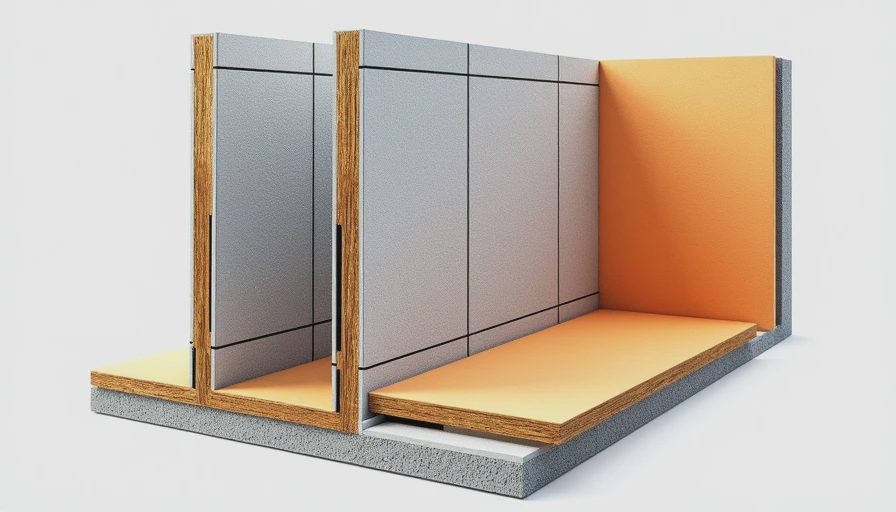
Most insulated siding is a conventional cladding (usually vinyl) permanently bonded to a layer of rigid foam insulation, commonly expanded polystyrene (EPS). The foam thickness varies by product; typical added R-values range from roughly R-2 to R-5 or so, depending on the exact panel. Some fiber-cement or other systems can also be installed over continuous exterior insulation, which is a related but not identical approach.
The foam does two useful things:
Adds a continuous layer of insulation outside the framing, which helps reduce thermal bridging through studs
Provides a bit of impact resistance and a flatter appearance in some products
It does not turn the wall into a high-performance insulated assembly on its own. Standard wall cavities, if uninsulated or lightly insulated, still dominate the overall R-value calculation.
Realistic energy savings
This is the part that needs the most skepticism.
In a typical existing home, replacing old siding with insulated siding produces modest whole-house energy savings—often in the low-to-mid single digits as a percentage of total heating and cooling use, assuming the rest of the house stays the same. Results vary with:
How poor the original siding and air sealing were
Whether the wall cavities already contain insulation
Climate (savings look different in heating-dominated vs. cooling-dominated regions)
The thickness and quality of the foam layer
Installation details, especially air sealing at penetrations and transitions
In long Southern cooling seasons the absolute dollar savings are real but usually smaller than what you would see from addressing attic insulation, duct leakage, or an aging low-efficiency HVAC system. Insulated siding is rarely the highest-leverage energy move if those bigger items remain unaddressed.
Where the foam helps more noticeably is in reducing thermal bridging and improving comfort on walls that previously had little continuous exterior insulation. Rooms may feel less peaky near exterior walls on very hot or cold days. That comfort improvement is legitimate even when the utility-bill change is modest.
Insulated siding vs. continuous exterior insulation
These are related ideas that sometimes get blurred.
Insulated siding: The foam is attached to the cladding panel itself. Installation is similar to regular siding, which keeps labor relatively straightforward.
Continuous exterior insulation (CI): Rigid foam or mineral wool is installed over the sheathing as a separate layer, then cladding is attached over it (often with furring strips to create a rainscreen). This approach can achieve higher total R-values and better drainage details, but it costs more in labor and requires more careful detailing at windows, doors, and trim.
For many retrofit projects, insulated siding is the more practical and affordable way to add some continuous insulation. For deeper energy retrofits or new construction, full continuous exterior insulation usually performs better.
When the upgrade makes sense
Insulated siding is worth the premium when most of these are true:
You are already replacing the siding for durability, appearance, or damage reasons
The existing walls have little or no continuous exterior insulation
Air sealing details will be improved as part of the job (housewrap, flashing, sealing around penetrations)
You value the added rigidity, impact resistance, and flatter look that some insulated products provide
The price difference is moderate and does not crowd out higher-impact work
In that scenario you are solving a necessary cladding problem and capturing a modest efficiency and comfort bonus at the same time.
When it is less compelling
The extra cost is harder to justify when:
The current siding is still serviceable and the main goal is pure energy reduction—attic, ducts, and HVAC usually win on payback
The wall cavities are already well insulated and the house is relatively tight
The price premium is large relative to standard siding
Installation will not include attention to the weather-resistive barrier and air sealing
In these cases, standard quality siding plus separate attention to air sealing and other envelope priorities often produces better overall results per dollar.
Other practical considerations for the South
Moisture and heat: Foam is generally stable, but the entire wall still needs a proper drainage plane and drying potential. Insulated siding does not eliminate the need for correct flashing and housewrap details.
Impact and wind: Some insulated vinyl products offer improved impact resistance compared with hollow vinyl. That can be a useful side benefit in hail- or debris-prone areas.
Long-term performance: The foam itself does not degrade quickly, but the cladding face is still subject to normal UV, thermal movement, and weather exposure. Choose a reputable product line rather than the cheapest option.
Resale and perception: Buyers may respond positively to “insulated siding,” but appraisals and energy claims should stay realistic. Do not expect the upgrade to transform the house’s energy profile on paper.
How to evaluate a specific product

Ask for:
The exact R-value of the foam layer (not marketing claims about the whole wall)
Whether the product is being installed over a proper weather-resistive barrier
How window and door openings, corners, and penetrations will be detailed
The manufacturer’s specifications for fastening and expansion
Compare the total installed price against standard siding on the same house. Then decide whether the difference is justified by the combination of modest energy improvement, comfort, and any durability or appearance benefits.
Bottom line
Insulated siding can deliver real but modest energy and comfort improvements by adding continuous exterior insulation and reducing thermal bridging. In hot, humid climates it is rarely a dramatic bill-cutter on its own. It makes the most sense as a smart upgrade when you are already replacing siding and can gain the foam layer, better air sealing, and improved wall performance for a reasonable premium.
Treat the energy claims conservatively. Prioritize correct installation details over brochure R-values. And keep the project in context with larger envelope and system opportunities that may move the needle more.
Not every upgrade has to happen now. The goal is a smarter decision, not a faster yes.
If your siding is due for replacement and the price difference for an insulated product is moderate, it is often a rational add. If the siding is still performing and you are mainly chasing energy savings, look first at attic, ducts, air sealing, and HVAC before paying extra for foam-backed cladding.