Let’s figure out what’s actually worth it.
New siding is one of those projects that sits in an awkward middle ground. Contractors and product literature often talk about energy savings and “insulated siding.” Homeowners mostly notice that the house looks tired, the paint is peeling, or boards are warping. So which is it—performance upgrade or curb-appeal project?
The real answer is usually both, but the energy side is smaller and more conditional than the sales language suggests. Here’s a clear-eyed way to sort it out if you live in a hot, humid, or storm-exposed Southern climate.
What siding actually contributes to energy use
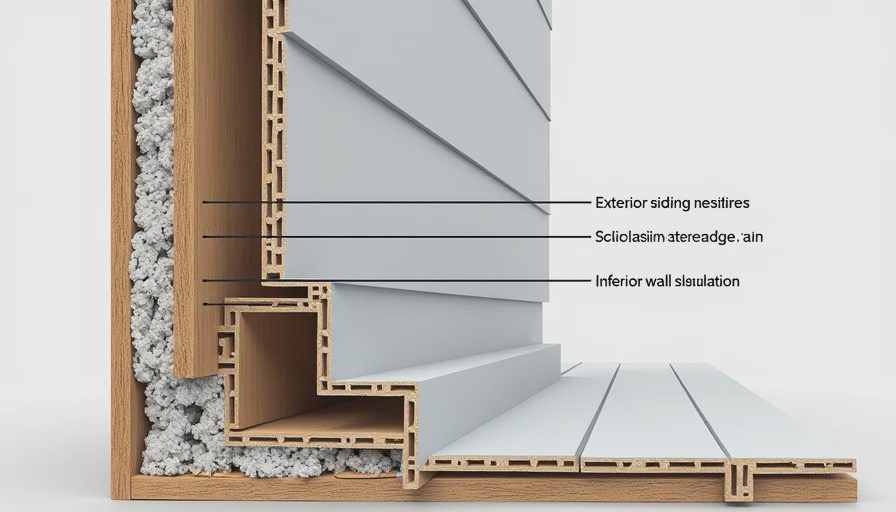
Siding is part of the exterior wall assembly. Its main jobs are weather protection and appearance. Any insulation value it adds is secondary for most homes.
Traditional vinyl, fiber cement, wood, or metal siding by itself has modest R-value—often in the R-0.5 to R-2 range depending on thickness and material. That is not enough to transform a wall’s performance on its own.
Where siding can help energy use is in three more limited ways:
Reducing air leakage
Old, cracked, or poorly fitted siding can allow more outdoor air to move into the wall cavity. New siding, installed with proper housewrap and sealing details, can tighten the envelope somewhat.Adding continuous exterior insulation
Some modern siding systems include a layer of foam insulation behind the cladding. This continuous layer helps reduce thermal bridging through studs and can improve the overall wall R-value more meaningfully than the siding material itself.Managing moisture
In humid climates, walls that stay wet lose insulating value and can develop problems that eventually affect comfort and efficiency. Better water management (proper flashing, drainage planes, and durable cladding) protects the insulation you already have.
In short: basic siding replacement mainly protects and refreshes the house. Insulated siding systems or siding installed over added continuous insulation can deliver measurable—but usually modest—efficiency gains.
Realistic expectations for energy savings
Don’t expect new siding alone to cut your cooling bills dramatically. In most existing homes, the biggest summer energy losses still come from:
Attic insulation and air sealing
Duct leakage
Window solar gain and air leakage
HVAC efficiency and sizing
Wall improvements rank lower for most houses unless the existing walls are poorly insulated or the siding is allowing significant air infiltration.
When insulated siding or exterior foam is added correctly, whole-house heating-and-cooling savings are often in the single-digit to low double-digit percentage range, depending on the starting point of the house. In cooling-dominated Southern climates the impact on summer bills is real but rarely transformative by itself.
When the energy case is stronger
New siding (especially with an insulated backing or continuous foam) makes more sense as a performance project when:
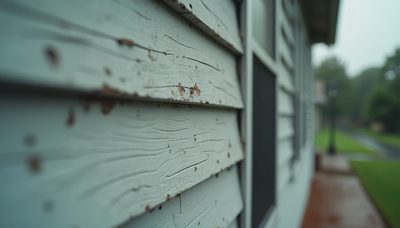
The existing siding is damaged, loose, or allowing water and air into the wall
You’re already planning to replace siding for durability or appearance reasons and can upgrade the wall assembly at the same time
The house has little or no wall insulation and adding exterior continuous insulation is practical
Storm or moisture exposure is high and the current cladding is failing
In these situations you’re solving a maintenance or durability problem and capturing some efficiency benefit as a bonus.
When it’s mostly about appearance and protection
If the siding is still sound, the house is reasonably comfortable, and your main complaint is faded color or dated style, treat the project primarily as a protective and aesthetic upgrade. The energy improvement will be secondary. That’s not a reason to avoid it—durable siding that sheds water and holds up in heat and storms has real value—but it should be weighed against other projects that may move the energy needle more.
Material differences that matter in the South
Vinyl — Lower upfront cost, decent durability when quality is good, limited inherent insulation. Insulated vinyl options exist and can help.
Fiber cement — Excellent durability and impact resistance, holds paint well, minimal insulation value on its own. Pairs well with continuous exterior insulation.
Engineered wood or other composites — Vary widely; check moisture performance carefully in humid climates.
Insulated siding systems — The foam layer is the main efficiency feature. Quality of installation still matters more than the brochure R-value.
In hurricane- or high-wind areas, impact resistance and proper attachment details often outweigh small differences in insulation value.
How to decide without the hype
Ask three practical questions:
Is the current siding failing (water intrusion, rot, major cracking, loose sections)?
Are you already budgeting for replacement because of appearance or maintenance?
Can the project include continuous exterior insulation or a true insulated siding system at a reasonable extra cost?
If the answer to the first is yes, replacement is largely a necessity and any efficiency gain is a side benefit. If the first is no but the second is yes, you have a chance to improve the wall while you’re at it. If both are no, other upgrades (attic, windows, HVAC, air sealing) usually deliver clearer energy returns first.
Bottom line
New siding can improve energy efficiency, but for most homes it does so modestly and mainly when it includes better air sealing or added continuous insulation. In hot and humid climates its bigger jobs remain weather protection, moisture control, and long-term durability.
Treat pure “energy-efficient siding” claims with healthy skepticism. Look at the whole wall assembly, your actual comfort and bill situation, and whether the siding itself needs to be replaced for other reasons.
Not every upgrade has to happen now. The goal is a smarter decision, not a faster yes.
If your siding is clearly at the end of its life, plan the replacement carefully and consider adding continuous insulation while the walls are open. If it’s still performing its basic job, you may get better energy results fixing higher-priority items first.