Window AC unit coverage is easy to misunderstand. A $250 appliance sitting in a bedroom window can look like part of the house, but an insurer may treat it more like personal property. Whether you receive money after damage depends on the cause, your policy wording, your deductible, and whether the unit was listed separately or included under your belongings coverage. Let’s figure out what’s actually worth it before you file a claim or buy another policy.
When homeowners insurance may cover a window AC unit
Most standard homeowners policies have two relevant parts: dwelling coverage and personal property coverage. Dwelling coverage generally protects the structure of your home, including permanently installed systems and attached components. Personal property coverage generally applies to belongings you own inside or around the home. A removable window AC unit usually falls closer to personal property than to the dwelling itself.
That distinction matters after a covered event. If lightning damages the unit, a fire destroys it, or a named peril such as wind causes a qualifying loss, your personal property coverage could respond. The policy might pay the unit’s actual cash value, which subtracts depreciation, or replacement cost if you purchased that option and meet its requirements. A $500 five-year-old unit could therefore produce a very different payment under each method.
Window AC unit coverage does not normally pay for every breakdown. Standard policies are designed for sudden, accidental, covered losses, not gradual wear, clogged filters, refrigerant leaks, electrical aging, or a compressor that simply stops working. Your deductible also matters. With a $1,000 deductible, filing a claim for a $350 unit is unlikely to make financial sense even when the cause is covered.
Damage from storms, power surges, and theft
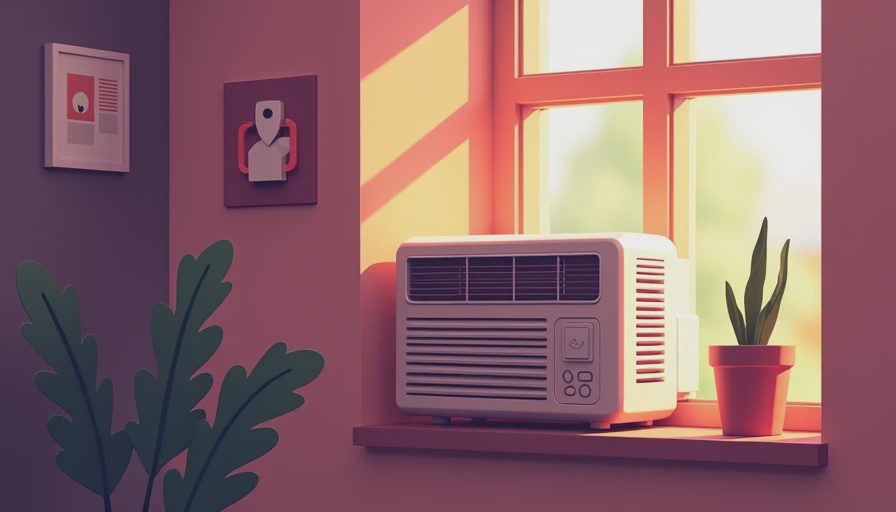
Storm damage is one of the more common reasons homeowners ask about window AC unit coverage. A strong wind can pull an improperly secured unit from its opening, while hail can damage the cabinet, coil, or controls. Coverage depends on the policy’s covered perils, the condition of the installation, and whether the unit was damaged at the same time as the home.
Power surges require closer attention. Some policies cover electrical damage caused by lightning, but a routine utility surge may be excluded or handled through a separate endorsement. A surge protector can reduce risk, but it does not guarantee an insurance payment. Take photos of the unit, window opening, electrical outlet, and surrounding damage before cleanup. Keep the purchase receipt, model number, and repair estimate if available.
Theft can also involve window AC unit coverage, but there may be questions about whether the unit was secured and whether the theft occurred from the residence, a garage, or an unsecured exterior location. Report suspected theft to local law enforcement and keep the report number. Do not throw away damaged parts until the adjuster or insurer tells you they are no longer needed.
What renters and landlords should know
Renters generally need renters insurance rather than a homeowners policy. A tenant-owned window AC unit is usually considered personal property, so renters coverage could apply after a covered loss. The building owner’s policy generally protects the structure, not the tenant’s appliance. A landlord may be responsible for a unit supplied as part of the rental, but the lease and maintenance agreement often determine who handles repair or replacement.
For landlords, window AC unit coverage can become complicated when several units are installed across a property. A unit owned by the landlord may be treated as building equipment or business property, depending on the policy. A unit belonging to a tenant is a different risk. Document who owns each appliance, how it is installed, and who handles maintenance before a summer emergency creates confusion.
If you live in a condo, review both your personal policy and the association’s bylaws. The association may insure common elements, while your own policy covers personal property and interior improvements. Do not assume the association’s insurance will replace an AC unit inside your unit.
Warranty, home warranty, or insurance?
A manufacturer’s warranty usually covers defects in materials or workmanship for a limited period. It generally does not cover storm damage, theft, misuse, or normal maintenance. Keep the receipt and register the product when required. Brand coverage varies, so read the warranty before paying for an extended plan.
A home warranty is a service contract, not homeowners insurance. It may cover a listed appliance or cooling system after a service fee, but many window units are excluded, subject to age limits, or treated differently from central HVAC equipment. Home warranty companies also commonly use approved technicians and replacement-cost limits. Ask whether the contract covers portable or window-mounted equipment before buying it.
Insurance is aimed at covered losses such as fire, certain storm events, and some theft situations. The three products can overlap, but none should be treated as a complete maintenance plan. If a $300 unit fails from age, replacing it yourself may be simpler than trying to use a policy with a $1,000 deductible or a service contract with exclusions.
How to check your policy before summer
Start with the declarations page. Look for your personal property limit, deductible, replacement-cost language, and endorsements for equipment breakdown or utility service interruption. Then read the exclusions section for wear and tear, power surge damage, wind, flood, and neglect. Flood is especially important in storm-prone areas because standard homeowners insurance typically does not cover flood damage.
Make a simple home inventory. Record the brand, model, serial number, purchase date, and current replacement price for each window unit. Photograph how each unit is installed and note whether it is supported by a bracket. Secure installation can protect the home and reduce the chance that a storm turns an appliance into flying debris.
If your policy uses replacement cost, ask whether you must actually replace the damaged unit before receiving the full amount. If it uses actual cash value, ask how depreciation is calculated. A short call with your agent can clarify window AC unit coverage before a claim, when you have time to compare answers instead of making decisions in a hot room.
Is extra coverage worth buying?
For many homeowners, a separate endorsement is not automatically worthwhile. Compare the annual premium with the unit’s replacement price, your deductible, and the risks around your home. Paying $40 to $100 annually to protect a $300 appliance can be poor value if the plan has a high deductible or narrow exclusions. On the other hand, equipment breakdown coverage could be useful when it protects several valuable appliances under one endorsement.
A better first step may be storm preparation. Use a properly rated support bracket, inspect the window frame, avoid overloading an extension cord, clean the filter, and unplug the unit when severe weather is expected if it is safe to do so. In Florida, Texas, Georgia, North Carolina, and South Carolina, heat and storms can arrive together, so a backup cooling plan may be more practical than buying every available add-on.
What to do after damage
Take photos before moving the unit, make temporary safety repairs, and keep receipts for reasonable emergency expenses. Contact your insurer promptly, but compare the estimated repair or replacement cost with your deductible. Do not exaggerate the loss or claim a maintenance failure as storm damage; inaccurate information can jeopardize a valid claim.
If the unit damaged the window, wall, flooring, or electrical outlet, report the related property damage too. The appliance and the home may involve different coverage categories. An adjuster can explain the process, but your own records make the conversation faster and clearer.
The goal is a smarter decision, not a faster yes. For a low-cost window unit, self-insuring and preparing for replacement may be sensible. For multiple units, expensive equipment, or repeated storm exposure, reviewing window AC unit coverage with a licensed insurance professional can uncover gaps before they become expensive problems. Not every upgrade or policy add-on has to happen now; start with the risk that could cost your household the most.