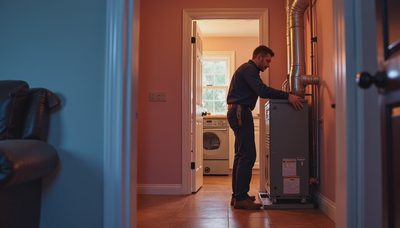
If you are asking how much to replace heating and air conditioning, you probably have one of three problems: the system is breaking down, your energy bills keep climbing, or certain rooms never feel comfortable. For many U.S. homeowners, a complete HVAC replacement costs roughly $6,000 to $16,000, although a small, straightforward installation can cost less and a complex project can cost more. The right number depends on equipment, home size, ductwork, electrical needs, labor, and local climate.
The goal is not to choose the most expensive system. It is to understand what you are paying for, avoid replacing equipment that still has useful life, and get comparable quotes before a hot week turns a planned project into an emergency.
How much to replace heating and air conditioning in a typical home
A standard central air conditioner paired with a gas furnace often falls between $7,000 and $15,000 installed. A heat pump system commonly ranges from $7,000 to $16,000, depending on whether it replaces both heating and cooling equipment, the system’s efficiency rating, and the electrical work required. Smaller homes with accessible equipment may land near the lower end, while larger homes, complicated layouts, and premium equipment push the price higher.
Several line items can change the estimate quickly. A new concrete pad, refrigerant line set, thermostat, disconnect box, or condensate drain may add a few hundred dollars each. Duct repairs or replacement can add $2,000 to $8,000 or more when ducts run through tight crawl spaces or unfinished attics. A new electrical panel is a separate project and can add several thousand dollars if the home cannot support an electric heat pump.
In hot states such as Texas, Florida, Georgia, North Carolina, and South Carolina, contractors often recommend systems designed for long cooling seasons. That can make a higher-efficiency air conditioner or heat pump worth considering, but only if the equipment is correctly sized and installed.

What drives the replacement price
When homeowners ask how much to replace heating and air conditioning, equipment size is usually the first factor they hear about. Size is not simply based on square footage. A proper load calculation considers insulation, windows, ceiling height, sun exposure, air leakage, and local weather. An oversized system may reach the thermostat setting quickly but cycle poorly, leaving the house humid and creating more wear.
Efficiency also affects the upfront price. A basic system may cost less to install, while a higher-efficiency model can add $1,000 to $4,000. Variable-speed blowers, two-stage compressors, communicating controls, and cold-climate heat pump features can improve comfort, but they also require compatible components and knowledgeable service.
Installation conditions matter just as much. Equipment in a garage is usually easier to replace than equipment in a cramped attic. A contractor may need to remove an attic platform, improve return-air pathways, seal ducts, or bring the system up to current code. Ask for each of these items to appear separately on the proposal rather than accepting one unexplained total.
Furnace and air conditioner versus heat pump
A furnace-and-air-conditioner combination uses gas, propane, or electricity for heating and refrigerant-based cooling for summer. A heat pump moves heat rather than creating it directly, so one outdoor unit can provide both heating and cooling. In moderate winter climates, a heat pump can reduce heating costs, particularly when replacing electric resistance heat. In colder areas, it may need backup heat or a dual-fuel arrangement.
The best choice depends on fuel prices, winter temperatures, electrical capacity, comfort preferences, and your expected time in the home. A heat pump is not automatically the cheapest option, and a gas furnace is not automatically the better investment. Ask the contractor to show estimated operating costs using your actual utility rates.
When repair makes more sense than replacement
Knowing how much to replace heating and air conditioning is useful, but price alone should not decide the project. Repair can make sense when the equipment is relatively young, the problem is limited to a capacitor, contactor, blower motor, thermostat, or small refrigerant leak, and the system has a good maintenance history. A repair in the $200 to $1,200 range may restore reliable service for years.
Replacement deserves more attention when the system is around 10 to 15 years old, requires repeated repairs, has a failing compressor or heat exchanger, uses obsolete refrigerant, or produces uneven comfort despite previous duct and airflow work. One expensive repair does not always justify replacement, but repeated $600 or $1,000 invoices can change the math quickly.
For example, replacing a $9,000 system after several years may feel painful, but continuing to spend $2,000 annually on repairs while paying high utility bills is not necessarily the economical choice. Conversely, replacing a working eight-year-old system only because a salesperson promises dramatic savings is usually a weak decision. Not every upgrade has to happen now.

How to compare HVAC quotes without getting confused
If you want to know how much to replace heating and air conditioning in your specific home, collect at least three written estimates. Ask each contractor to list the equipment brand and model numbers, cooling and heating capacity, efficiency ratings, labor, permits, disposal, warranty coverage, thermostat, duct modifications, and startup testing.
Do not compare a basic single-stage system with a variable-speed system as if they were identical products. Compare the same capacity and similar features first, then examine efficiency and warranty terms. A quote that is $2,500 lower may exclude duct sealing, electrical upgrades, crane access, or permit fees.
Look for a contractor who measures the home, checks airflow, inspects the existing ductwork, and explains why the proposed size is appropriate. A quick glance at the old nameplate is not a substitute for a real evaluation. Confirm that the company is licensed where required, carries insurance, and provides a clear payment schedule. Avoid paying the entire balance before installation is complete.
Ways to lower the total project cost
Start by fixing airflow and insulation problems before selecting equipment. Sealing leaky ducts, adding attic insulation, or improving return-air capacity can reduce the size of the system your home needs. Those improvements may cost $1,000 to $5,000, but they can improve comfort and prevent you from buying oversized equipment.
Ask about utility rebates, manufacturer incentives, and federal tax-credit eligibility before signing a contract. Programs change, and eligibility often depends on equipment efficiency, installation date, and documentation. A reputable contractor should help identify possibilities without treating a rebate as guaranteed savings.
Timing can matter too. Scheduling during spring or fall may provide more contractor availability than waiting for the first major heat wave. However, do not let a seasonal discount pressure you into equipment that is poorly sized or missing important installation work. The cheapest quote is not the cheapest system if it creates humidity problems, short cycling, or frequent service calls.
A practical decision path for your home
Before deciding how much to replace heating and air conditioning, write down the system’s age, recent repair costs, utility trends, comfort problems, and any rooms that stay hot or cold. Take photos of the equipment labels and note whether the ducts are in an attic, crawl space, basement, or garage.
Then get a repair diagnosis and several replacement proposals. If the repair is modest and the system is otherwise dependable, use the time to plan. If the repair is major and the equipment is aging, replacement may provide better control over both comfort and budget. Ask for a basic option, a higher-efficiency option, and any heat pump alternative that fits your climate and electrical service.
The answer to how much to replace heating and air conditioning is important, but the better question is what result you are buying. A properly sized system, solid ductwork, careful installation, and understandable warranty can matter more than a premium logo. Let’s figure out what’s actually worth it, then choose the project that improves comfort without creating a payment you will regret.