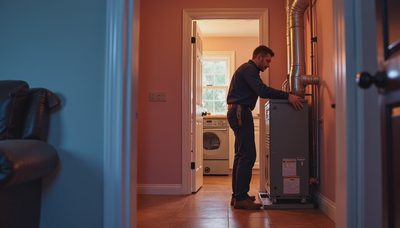
A dual fuel heat pump can be a practical middle ground for homeowners who want efficient electric heating without giving up the fast, familiar output of a gas furnace. The system pairs an electric heat pump with a gas furnace and switches between them based on outdoor temperature, comfort needs, and utility costs. For homes in North Carolina, Georgia, South Carolina, Texas, and similar climates, that flexibility can matter more than chasing a perfect efficiency rating.
The basic idea is simple. A heat pump handles heating and cooling during mild weather, while the furnace takes over during colder conditions or when the heat pump would be less economical. In summer, the heat pump operates as an air conditioner. The goal is a smarter decision, not a faster yes, so let’s look at where this setup earns its higher installation cost and where it might not.
How a dual fuel heat pump works
A dual fuel heat pump uses two heat sources connected to one coordinated HVAC system. The outdoor heat pump transfers heat from the air into your home in winter and removes heat from the house in summer. Even when the air feels cold, outdoor air contains usable heat, although the system works harder as temperatures drop.
The gas furnace serves as backup heat. A control board or compatible thermostat chooses which equipment runs. At a preset balance point, often somewhere in the 30s or 40s, the system can switch from the heat pump to the furnace. That point is not universal. It depends on the equipment, gas price, electricity rate, home insulation, ductwork, and the homeowner’s comfort preference.
A dual fuel heat pump is not the same as a heat pump with electric resistance strips. Resistance heat can be useful as emergency backup, but it can draw substantially more electricity during extended cold weather. Gas backup provides a different operating option, especially for a home that already has a natural gas line and furnace.

Where homeowners can see value
The strongest case for a dual fuel heat pump is a home with moderate winter weather, hot summers, existing ductwork, and reliable access to natural gas. The heat pump can cover much of the year efficiently, while the furnace handles the short stretches when heating demand rises. In a Charlotte-area home, for example, the heat pump may run through many cool fall and spring days instead of starting the furnace for every heating call.
Cooling performance also deserves attention. A newer heat pump can replace an aging central air conditioner while adding efficient heating. Homeowners may notice steadier indoor temperatures, quieter operation, and less frequent cycling if the system is correctly sized. The equipment does not create savings simply because it is labeled hybrid; duct leaks, poor insulation, an oversized furnace, and a badly configured thermostat can erase much of the benefit.
Installation cost commonly lands above a standard air conditioner and furnace replacement because the project involves compatible equipment, controls, refrigerant work, electrical connections, and careful commissioning. Depending on capacity, duct modifications, labor rates, and regional conditions, a full replacement might run roughly $9,000 to $18,000 or more. A second contractor opinion is worthwhile when a quote includes major duct or electrical work.
When this system may not be the right fit
A dual fuel heat pump may be a poor match if the property has no natural gas service and adding a gas line would require expensive work. It can also be unnecessary in a very mild climate where a conventional heat pump rarely needs backup, or in a home where the furnace and air conditioner are still relatively new and reliable.
Fuel prices matter. If electricity is expensive and natural gas is inexpensive, the furnace may run more often. If gas rates rise or the home has favorable electric pricing, the heat pump may carry more of the heating load. Ask contractors to show estimated annual operating costs using your actual utility rates instead of presenting one generic savings percentage.
Also consider sound, outdoor space, and storm exposure. The outdoor unit needs clear airflow and a stable pad. In hurricane-prone areas, placement and anchoring deserve attention, but equipment should never be installed in a location that risks floodwater exposure. A surge protector and an appropriate service disconnect can be sensible additions, although neither makes equipment immune to storm damage.

What to compare in contractor quotes
Start with the equipment match, not the brand name. Trane, Carrier, Lennox, Rheem, and Goodman all offer heat pump and furnace systems across different efficiency levels, control options, and warranty terms. A recognizable brand does not fix an undersized return duct or poor installation. Ask for the model numbers, heat pump heating capacity at a cold outdoor temperature, furnace input and output ratings, cooling efficiency, and thermostat model.
A strong quote should explain how the dual fuel heat pump will switch modes. Ask whether the control uses an outdoor temperature lockout, energy pricing logic, or a simple preset. Ask what happens during defrost mode, when the outdoor unit temporarily reverses operation to clear ice. The furnace may provide indoor heat during that cycle, depending on the controls.
Have the contractor inspect duct leakage, attic insulation, return-air capacity, electrical service, condensate drainage, and the furnace venting. A $300 to $800 duct repair can sometimes improve comfort more than paying several thousand dollars for a premium equipment tier. Get labor and parts warranty details in writing, along with who handles startup problems after installation.
How to estimate whether it will pay off
Use your last 12 months of electric and gas bills. Mark the months when the furnace ran heavily, then compare that pattern with the proposed heat pump’s estimated seasonal performance. A contractor can provide a model-based estimate, but it is still an estimate. Ask for the assumptions: utility rates, indoor temperature, insulation condition, and expected operating hours.
Suppose the upgrade costs $12,500 and is expected to reduce combined heating and cooling expenses by $500 per year. The simple payback is about 25 years before maintenance, financing, and equipment replacement are considered. That may not justify replacing a functioning system. If the current furnace and air conditioner are both near the end of their useful lives, avoiding two separate replacements changes the calculation.
Look for available utility rebates, manufacturer promotions, and tax incentives before signing. Program rules, equipment eligibility, and expiration dates change, so verify them through the utility or official government source. Financing can lower the immediate payment, but compare total repayment with the cash price.
A practical decision checklist
A dual fuel heat pump deserves serious consideration when your existing HVAC system is nearing replacement, your home has natural gas, and you want one system for efficient cooling and flexible heating. It becomes more attractive when your ductwork is serviceable, your electrical panel can support the equipment, and you expect to stay in the home long enough to benefit from the upgrade.
Before approving work, collect at least two detailed quotes. Confirm that the equipment is properly sized with a load calculation rather than matched only to the old unit. Request a written explanation of the changeover temperature, warranty coverage, maintenance plan, and expected first-year operating assumptions. Also ask whether the contractor will test airflow and refrigerant charge at startup.
If your current system is dependable and your bills are reasonable, waiting may be the better move. Not every upgrade has to happen now. If the system is failing, comfort is uneven, or you are already facing a major replacement, a dual fuel heat pump can make the next project more flexible. Let’s figure out what’s actually worth it by comparing local quotes and the condition of the home, not just the sales pitch.