Gas furnace maintenance is one of those home tasks that rarely feels urgent until the house is cold, the furnace will not start, or a repair bill arrives at the worst possible time. A basic plan helps protect comfort, reduce avoidable wear, and identify safety concerns before heating season is fully underway. For homeowners in North Carolina, Georgia, Texas, and other states with short but unpredictable cold snaps, the goal is not to over-service equipment. It is to handle the right tasks at the right time.
Why Furnace Maintenance Matters
A gas furnace burns fuel to create heat, then uses a blower to move warm air through the ductwork. Dust, restricted airflow, loose electrical connections, dirty burners, and worn parts can all make that process less reliable. When the system works harder than it should, you may notice longer run times, uneven rooms, strange noises, or rising utility bills.
A good gas furnace maintenance routine also supports safe operation. The furnace should vent combustion gases outside through an approved flue, while a heat exchanger keeps those gases separate from indoor air. A qualified technician can inspect these components and test combustion. Homeowners should never bypass a safety switch, alter the gas line, or attempt to repair a cracked heat exchanger.
Replacing a furnace can cost several thousand dollars, while a seasonal inspection often costs roughly $80 to $200 depending on location and service scope. That does not mean every inspection prevents a major repair, but it can give you useful information about the condition and remaining life of the equipment.
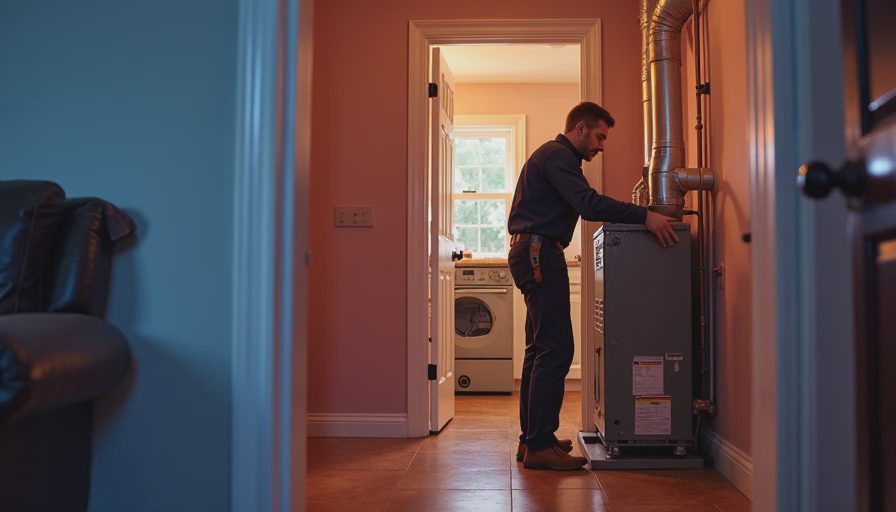
What Homeowners Can Do Safely
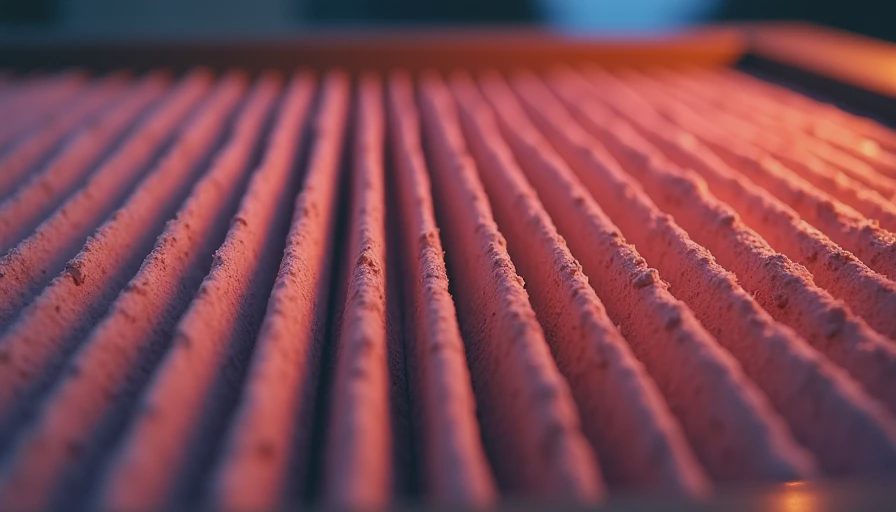
The most valuable homeowner task is replacing the air filter. A clogged filter reduces airflow and can cause the furnace to overheat or shut down. Check the filter every month during heavy use. Basic one-inch filters often need replacement every one to three months, while thicker media filters may last longer. Use the size and type recommended for the system rather than assuming the most restrictive filter is automatically best.
Keep supply registers and return grilles clear of furniture, rugs, curtains, and storage bins. Vacuum visible dust from grilles and the floor around the furnace, but turn the system off before cleaning near the cabinet. Make sure the outdoor flue termination is not blocked by leaves, snow, or landscaping. If you have a humidifier attached to the HVAC system, follow its cleaning instructions as well.
During gas furnace maintenance, homeowners can also check the thermostat. Replace weak batteries, confirm the schedule, and compare the displayed temperature with a separate indoor thermometer. A thermostat that is poorly located near a draft, sunny window, or heat-producing appliance may cause confusing cycling.
What a Professional Inspection Should Include
Professional gas furnace maintenance is more than a quick filter change. A technician should inspect the burner assembly, ignition system, flame sensor, blower motor, wiring, electrical connections, drain components, flue or venting, and safety controls. Depending on the furnace, the visit may include measuring temperature rise, checking gas pressure, testing combustion, and examining the heat exchanger.
Ask for a written summary of the findings. A useful report should separate immediate safety concerns from maintenance recommendations and longer-term replacement planning. For example, a dirty flame sensor may be a small service issue, while a damaged heat exchanger is a serious concern that requires clear explanation and a repair or replacement discussion.
Be cautious when a contractor recommends a complete replacement without showing the problem. Ask for photos, measurements, the equipment age, the repair cost, and the expected service life. A furnace that is 10 years old with a modest repair may still be worth fixing. A 20-year-old unit with repeated breakdowns and poor efficiency deserves a closer replacement comparison.
A Smart Seasonal Schedule
The best time for annual gas furnace maintenance is usually late summer or early fall, before technicians become busy with the first cold weather. Schedule earlier if your furnace has been short-cycling, making unusual sounds, producing weak airflow, or failing to heat certain rooms.
At the start of the season, replace the filter, test the thermostat, confirm that carbon monoxide detectors work, and make sure the furnace area is free of paint cans, cardboard, gasoline, cleaning products, and other combustible materials. Never use the furnace room as general storage.
During winter, pay attention to changes. A light clicking during ignition can be normal on some systems, but repeated clicking without ignition is not something to keep resetting. A metallic bang, squealing blower, burning odor that persists, or frequent shutdowns deserves professional attention. If you smell rotten eggs, leave the home, avoid switches and flames, and contact the gas utility or emergency services from a safe location.
Repair, Replace, or Wait?
Gas furnace maintenance can reveal problems without automatically making replacement the right answer. Consider repair when the unit is relatively young, the issue is isolated, parts are available, and the repair is a small fraction of replacement cost. Common repairable issues include a failed igniter, worn capacitor, dirty sensor, loose connection, or malfunctioning thermostat.
Replacement becomes more compelling when the furnace needs frequent repairs, has a serious heat exchanger or venting problem, struggles to heat the home, or has reached the end of its expected service life. Also compare the furnace with your broader HVAC plan. In a hot state, a homeowner may be better served by evaluating a heat pump, especially when the air conditioner is also aging. The right choice depends on fuel prices, climate, electrical service, comfort priorities, and available incentives.
Do not judge an upgrade only by the advertised efficiency rating. Installation quality, duct leakage, sizing, thermostat compatibility, and ventilation all affect real-world performance. Ask at least two licensed contractors for itemized proposals that show equipment, labor, permits, warranty terms, and removal costs.
How to Get Better Value From Service
Before booking gas furnace maintenance, write down the furnace brand, model, approximate age, recent symptoms, and last filter change. Take a clear photo of the data plate if you cannot find the paperwork. This saves time and makes it harder for a contractor to treat a basic service call like a mystery project.
Compare what each quote includes. One company may offer a low-cost visual inspection, while another includes testing, cleaning, measurements, and a written report. Neither price is meaningful without understanding the scope. Ask whether the technician is licensed where required, insured, and experienced with your furnace type.
A maintenance plan can be convenient if it includes priority scheduling, clear inspection details, and a reasonable discount on repairs. It is less useful when it mainly locks you into automatic fees or pushes replacement before the equipment has been evaluated. The goal is a smarter decision, not a faster yes.
A Simple Next Step
Use this weekend to replace the filter, clear the furnace area, test carbon monoxide detectors, and note any unusual behavior. Then schedule gas furnace maintenance if the system is overdue or has shown warning signs. If everything is operating quietly and reliably, you may only need to plan the inspection before the next heating season.
Not every upgrade has to happen now. Good records, a second opinion, and a clear explanation of the problem can protect your budget while keeping your family comfortable. Let’s figure out what’s actually worth it: maintain the equipment you have, repair a defined issue, or compare replacement options before a breakdown makes the decision for you.