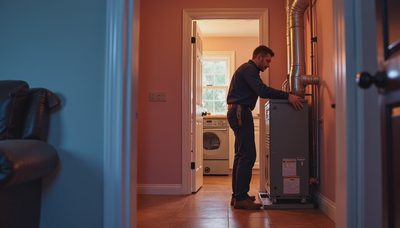
If you have ever wondered what is heating ventilation and air conditioning, you are really asking how your home controls temperature, humidity, and indoor air movement. Most people simply call the system HVAC, which stands for heating, ventilation, and air conditioning. It can include a furnace, central air conditioner, heat pump, ductwork, air handler, thermostat, and indoor air quality equipment. Understanding the pieces helps you decide whether a repair, maintenance visit, or full replacement is actually worth the money.
What is heating ventilation and air conditioning designed to do?
The heating component raises indoor temperature during cold weather. In much of Texas, Georgia, Florida, North Carolina, and South Carolina, that might mean a heat pump or electric furnace rather than a large gas furnace. The ventilation component moves and replaces air. It distributes conditioned air through supply vents, draws room air back through return grilles, and uses filtration to catch some dust and airborne particles.
The air conditioning component removes heat from inside your house and releases it outdoors. A central air conditioner uses an outdoor condenser, an indoor evaporator coil, refrigerant, and a blower fan. As warm indoor air passes over the cold coil, heat and some moisture are removed. The blower then sends cooler air through the ducts.
That means HVAC is not just the outdoor box beside your house. It is a connected system. A high-efficiency condenser cannot perform well if the filter is packed with dust, the return grille is too small, or ducts leak in a hot attic.

How the main HVAC parts work together
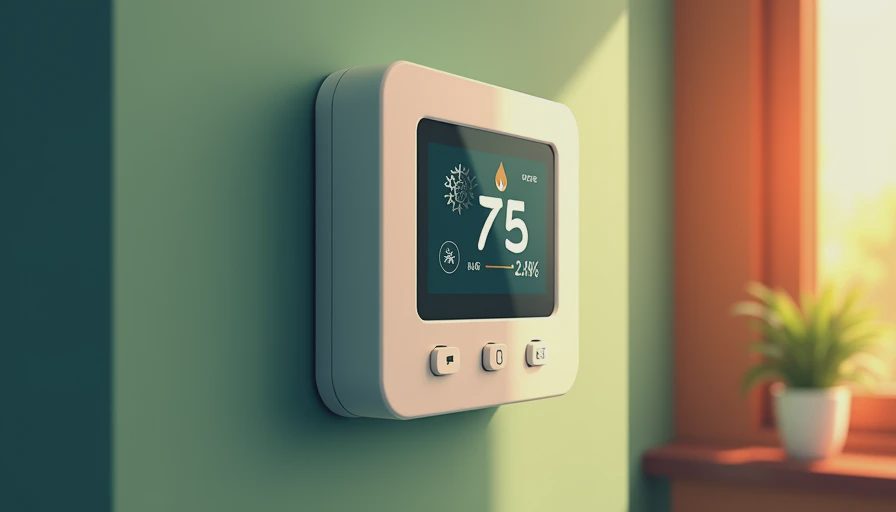
A thermostat is the control center. When the indoor temperature rises above the setting, it signals the equipment to start. The air handler or furnace blower moves air through the return duct, across the filter and coil, and into the supply ducts. The outdoor unit handles the heat exchange needed for cooling or heat-pump operation.
Ductwork matters more than many homeowners realize. In a typical Southern home, ducts may run through an attic where summer temperatures become extremely high. Poor insulation, disconnected joints, and crushed flexible duct can waste cooled air before it reaches a bedroom. A contractor might recommend duct sealing, insulation, or balancing instead of selling a new system.
Ventilation is also different from simply running the fan. Fresh-air ventilation introduces outdoor air, while exhaust fans remove moisture and odors from bathrooms and kitchens. Homes that are tightly sealed can benefit from planned ventilation, but bringing in humid outdoor air without controlling it can create comfort and moisture problems. The right approach depends on the house, climate, and existing equipment.
Heat pumps, furnaces, and air conditioners
A heat pump can cool the house in summer and reverse operation to provide heat in winter. Because it moves heat instead of creating it directly, it can be efficient in moderate climates. Many modern systems include electric backup heat for unusually cold conditions. In coastal and southeastern states, a properly sized heat pump can be a practical replacement for an aging air conditioner and separate electric furnace.
A furnace burns fuel or uses electricity to create heat, while a central air conditioner only cools. This arrangement remains common, especially in homes with natural gas service. A dual-fuel system combines a heat pump with a gas furnace and switches between them based on temperature and operating cost.
There is no universal winner. A heat pump may offer efficient year-round operation, but installation can cost more if electrical work, duct modifications, or a new thermostat are needed. A furnace and air conditioner may be familiar and straightforward to service. The best choice starts with load calculations, fuel prices, local weather, and the condition of your ductwork.
Signs your current system needs attention
The clearest warning sign is a system that runs for long periods but does not maintain the thermostat setting. Uneven rooms, weak airflow, warm air from supply vents, repeated breaker trips, and unusual grinding or buzzing deserve investigation. A sudden rise in utility costs can also point to a dirty coil, refrigerant issue, failing blower motor, or duct leakage.
Age provides useful context but should not make the decision alone. Many central systems last roughly 10 to 15 years, while some furnaces operate longer with proper maintenance. A major repair on a newer system may be reasonable. A $1,200 compressor-related repair on an old, inefficient unit is a different calculation, particularly if the system uses older refrigerant or has a history of breakdowns.
Ask for a written diagnosis before approving work. It should identify the failed component, labor, refrigerant or electrical requirements, warranty coverage, and whether the repair addresses the root problem. If a contractor immediately recommends replacement without testing, get another opinion.
How much does HVAC work cost?
Basic service calls often fall in the range of $75 to $200, with repairs ranging from under $200 for a capacitor to more than $1,000 for significant electrical, refrigerant, or blower work. Prices depend on access, equipment type, local labor, and whether emergency service is involved.
Replacing a central air conditioner or heat pump commonly costs several thousand dollars. A straightforward replacement may land around $5,000 to $10,000, while a larger high-efficiency system, duct changes, electrical upgrades, zoning, or difficult attic access can push the project higher. These are planning ranges, not promises. A legitimate quote should separate equipment, labor, permits, disposal, accessories, and warranty terms.
Do not compare bids by equipment price alone. One quote might include a new indoor coil, pad, thermostat, startup testing, and a labor warranty. Another might leave those items out. Confirm the model numbers, efficiency rating, capacity, payment schedule, and what happens if the system does not pass inspection.
What is heating ventilation and air conditioning efficiency really about?
Efficiency is partly an equipment rating and partly an installation result. A larger unit is not automatically better. Oversized equipment can cool a room quickly but cycle off before removing enough humidity, leaving the home clammy. An undersized system may run constantly during a hot afternoon and still fall behind.
Ask whether the contractor performed a room-by-room load calculation rather than matching the new unit to the old one. The calculation considers square footage, windows, insulation, orientation, air leakage, and local climate. Proper airflow and refrigerant charging also affect performance.
You can reduce operating costs without replacing everything. Change a compatible filter on a regular schedule, keep outdoor coils clear of vegetation, use a programmable or smart thermostat thoughtfully, and have the system inspected before peak summer. Sealing attic ducts and improving insulation may deliver more practical value than buying the most expensive equipment package.
A sensible homeowner decision path
Start by documenting the symptoms, system age, recent repair bills, filter condition, and rooms that feel uncomfortable. Next, get a diagnostic visit from a qualified HVAC contractor and request an itemized repair estimate. If replacement is recommended, collect at least two detailed proposals and ask each contractor to explain sizing, efficiency, warranty, permits, and expected installation time.
Then compare the total picture. A repair is often sensible when the equipment is relatively young, the failure is isolated, and comfort remains good. Replacement becomes more compelling when breakdowns repeat, parts are difficult to find, energy performance is poor, or a major component fails near the end of the system's useful life. Utility rebates or tax incentives can improve the numbers, but treat them as a bonus rather than a reason to buy equipment you do not need.
The short answer to what is heating ventilation and air conditioning is a complete comfort and air-movement system, not one appliance. The practical answer is to evaluate the whole setup before spending. Not every upgrade has to happen now. Let’s figure out what’s actually worth it, compare local options, and make the next step based on evidence rather than a rushed sales pitch.