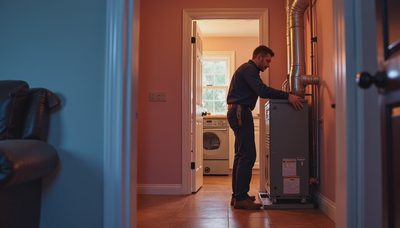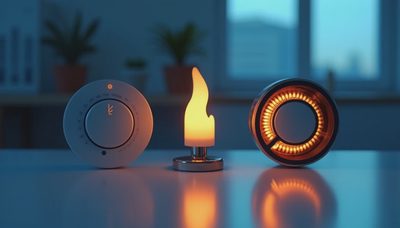
If you have ever heard your heating system start with a click, followed by warm air moving through the vents, you may have wondered, what is a furnace and how does it work? A furnace is a central heating appliance that warms air and sends it through ductwork to heat rooms throughout a house. Most residential furnaces use natural gas, electricity, propane, or oil as their energy source.
For homeowners, the useful question is not just what is a furnace, but whether the system is safe, efficient, and appropriately sized for the home. That answer affects winter comfort, monthly utility bills, indoor air quality, and the timing of your next major home improvement.
How a furnace heats your home
A forced-air furnace follows a fairly simple process. When the thermostat detects that the indoor temperature is below its setting, it signals the furnace to turn on. A gas furnace opens a burner valve and ignites fuel inside a combustion chamber. The heat passes through a metal heat exchanger, warming the surrounding air without mixing combustion gases into the living space.
An electric furnace uses resistance heating elements instead of burners. Electricity flows through those elements, which become hot and transfer heat to the air. A blower fan then pushes the warmed air through supply ducts and into each room. Cooler air returns through separate return ducts, where the cycle begins again.
The heat exchanger, blower motor, filter, thermostat, and ductwork all affect performance. A furnace can have a high efficiency rating and still deliver disappointing results if the filter is clogged, ducts leak in an attic, or the blower is struggling.
Furnace versus heat pump
Understanding what is a furnace becomes easier when you compare it with a heat pump. A furnace creates heat. A heat pump moves heat from one place to another, using refrigeration technology similar to an air conditioner. In heating mode, it pulls available heat from outdoor air and transfers it indoors.
Furnaces are often valued for fast, powerful heating during very cold weather. Gas models can also continue heating during some electrical disruptions if connected to backup power, although their controls and blower still need electricity. Heat pumps are usually more efficient in moderate climates and provide both heating and cooling from one outdoor system.
For homeowners in North Carolina, South Carolina, Georgia, or parts of Texas, a heat pump can be a strong option because winters are often mild enough for efficient operation. In colder areas, a dual-fuel setup can pair a heat pump with a gas furnace. The system uses the heat pump when conditions favor efficiency and switches to the furnace when stronger heat is needed.
Neither choice is automatically best. Fuel prices, insulation, duct condition, local weather, electrical service, and installation quality matter more than a sales pitch built around one technology.
Common furnace types and efficiency ratings
Most furnaces are categorized by fuel and annual fuel utilization efficiency, commonly called AFUE. AFUE estimates how much of the fuel becomes usable heat over a typical heating season. A furnace rated at 80% AFUE converts about 80 cents of each fuel dollar into heat, while the remaining energy leaves through exhaust. A higher-efficiency model rated around 95% AFUE or more uses less fuel, but it may require a different venting system and a higher installation budget.
Single-stage furnaces generally operate at one heating output. Two-stage models can run at a lower output during moderate demand and shift higher when necessary. Variable-speed blowers adjust airflow more gradually, which can improve comfort and reduce temperature swings. These features often add several hundred dollars or more to equipment and installation costs, so the expected savings should be compared with the price difference.
What is a furnace with a sealed combustion design? It is a model that draws combustion air from outside and sends exhaust outdoors through dedicated venting. This arrangement can improve safety and reduce the chance of the appliance using already-heated indoor air for combustion.
Signs your furnace needs attention
Some warning signs are easy to dismiss because the system still produces heat. A furnace that runs almost constantly, turns on and off repeatedly, or leaves some rooms cold deserves a closer look. So do unusual rattling, squealing, scraping, or booming sounds. A yellow burner flame instead of a mostly blue flame can indicate a combustion problem and should be handled by a qualified technician.
A dirty filter is one of the simplest causes of weak airflow. In many homes, a basic filter costs roughly $5 to $20 and should be replaced according to its condition and the manufacturer's instructions. Higher-efficiency filters can help capture more particles, but an overly restrictive filter can reduce airflow if the system was not designed for it.
Carbon monoxide detectors should be installed near sleeping areas and on each level where required or recommended by local safety guidance. If a detector alarms, leave the home and contact emergency services or the utility company. Do not troubleshoot combustion equipment while the alarm is active.
Repair or replace: a practical cost check
A minor furnace repair might cost about $150 to $400 for a common service call or small component. Replacing a blower motor, control board, igniter, or heat exchanger can push the bill from $500 to well over $2,000, depending on the equipment and labor. Full replacement often falls in a broad range of $4,000 to $10,000 or more when venting, duct modifications, permits, and a new thermostat are included.
Age is only one factor. A 12-year-old furnace with a sound heat exchanger and one affordable repair may provide several more useful seasons. A 16-year-old unit with repeated failures, rising fuel use, and uneven heating deserves a replacement comparison. If the heat exchanger is cracked, replacement is usually more sensible than attempting to extend the life of the appliance.
Ask each contractor for the model's AFUE rating, labor warranty, parts warranty, expected installation timeline, disposal fees, and whether the quote includes duct or vent changes. A low equipment price can become expensive if essential work appears later as an add-on.
How to make a smarter furnace decision
Start with the home's actual problems. Write down rooms that feel cold, monthly fuel use, repair dates, filter size, and thermostat settings. Have the contractor inspect duct leakage, insulation, return-air capacity, and combustion venting before recommending a larger unit. Oversizing can cause short cycling, uneven comfort, and unnecessary wear; the right size should be based on a heating-load calculation rather than the size of the old furnace.
Ask for two or three written proposals using comparable efficiency levels. A quote from a national company such as Carrier, Trane, Lennox, or Rheem is not automatically better than one from a reputable local installer. Installation quality, service access, and clear warranty terms often matter more than the logo on the cabinet.
What is a furnace worth to your household? It is worth the cost when it delivers reliable comfort without creating a large repair pattern or excessive energy waste. It may not be worth replacing immediately if the system is safe, reasonably efficient, and operating normally. Not every upgrade has to happen now. The goal is a smarter decision, not a faster yes.
If you are comparing heating options, gather a recent utility bill and schedule an evaluation before the next cold snap. A trustworthy contractor should explain the choices in plain language, show where savings could come from, and tell you when keeping the current system is reasonable. Let’s figure out what’s actually worth it.