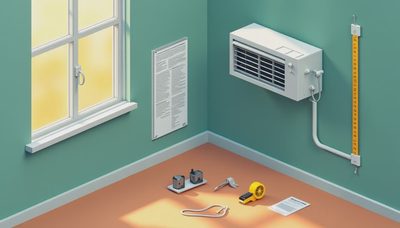
When homeowners search for mini split installers near me, they are usually trying to solve a practical problem: one room stays hot, the central air system is expensive to run, or an addition never feels comfortable. A ductless mini split can be a smart answer, but the installation quality matters as much as the equipment. The right contractor will size the system carefully, explain the electrical work, handle permits, and give you a quote that makes sense before asking for a deposit.
Let’s figure out what’s actually worth it. A single-zone system for a bedroom or home office can cost roughly $3,000 to $6,000 installed, while a multi-zone project may run from $7,000 to $15,000 or more. House size, line-set length, electrical upgrades, wall access, brand, and regional labor rates all affect the final price.
What a Mini Split Installer Should Evaluate First
A good contractor should not recommend equipment from a quick look at the room. Before quoting, the installer should ask about square footage, ceiling height, insulation, window exposure, air leakage, occupancy, and how the room is used. A sunny upstairs bedroom in Charlotte may need a different capacity than a shaded ground-floor office with similar floor area.
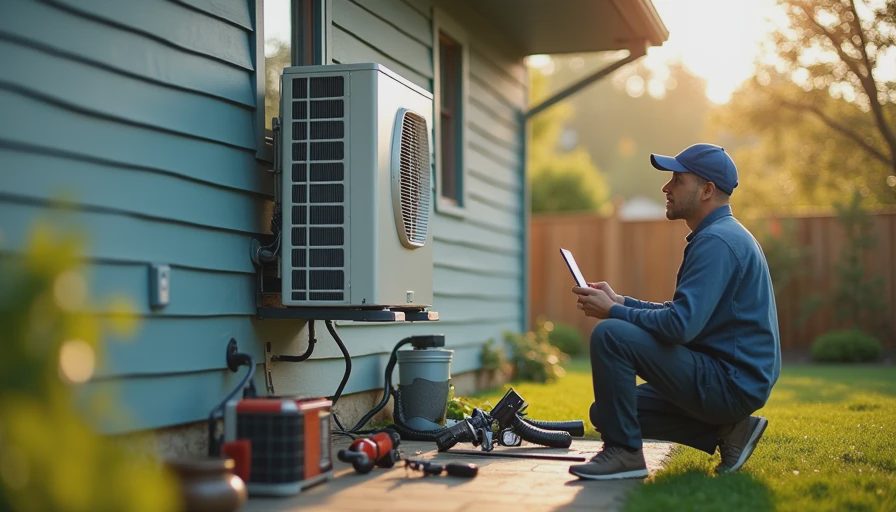
The contractor should also inspect the proposed outdoor-unit location. It needs stable support, reasonable airflow, protection from roof runoff, and enough clearance for service. In storm-prone areas, the stand or wall bracket should be secure, and the outdoor unit should not sit where flooding or heavy debris is likely.
Ask whether the quote includes a load calculation or another documented sizing method. Oversizing is not automatically better. A unit that is too large can cycle frequently, remove less humidity, and create uneven comfort. In hot, humid states, moisture control is a major part of the decision, not a minor feature.
When comparing mini split installers near me, notice whether they discuss these details before naming a brand. A contractor who only asks, “How many BTUs do you want?” is moving too quickly.
How to Compare Quotes From Local Contractors
Collect at least two or three written proposals with the same basic information. Each quote should identify the manufacturer, model numbers, cooling and heating capacity, number of indoor heads, line-set length, electrical scope, condensate handling, permit responsibility, startup procedure, and warranty terms.
Pricing differences do not always indicate a bad quote. One installer might include a new 240-volt circuit, while another assumes your existing panel can support the equipment. One may conceal the refrigerant lines in a finished wall, while another plans to run them in surface-mounted line-hide. A cleaner installation can cost several hundred dollars more, especially when drywall repair or attic access is involved.
Equipment brands such as Mitsubishi Electric, Daikin, Fujitsu, LG, and Bosch have broad product lines, but the brand name alone does not guarantee a successful project. Ask about the exact model’s low-temperature performance, humidity behavior, sound level, parts availability, and control options. A premium model can be worthwhile in a frequently used room, while a simpler system may be enough for an occasional guest space.
Be cautious with a quote that is dramatically below the others. It could omit permits, disposal, electrical work, a proper pad, or the final refrigerant charge. The cheapest proposal can become the most expensive after change orders.
Questions to Ask Before Signing
Use the consultation to test the contractor’s process, not just their friendliness. Ask who will perform the work, how many similar ductless installations they complete each month, and whether the company carries general liability insurance and workers’ compensation coverage. You can also request recent local references for projects resembling yours.
Important questions include:
- Who obtains the mechanical and electrical permits?
- Is a load calculation included in the design?
- What happens if the existing electrical panel needs an upgrade?
- How will condensate drain during cooling and dehumidification?
- Where will the line set enter the house, and how will that opening be sealed?
- Does the price include startup testing, system registration, and cleanup?
- Which labor warranty applies if the equipment develops a problem?
A professional should answer directly and put important promises in writing. If someone says a permit is unnecessary, refuses to identify the model numbers, or demands most of the price in cash before work begins, slow down. Good mini split installers near me should make the project easier to understand, not more mysterious.
Installation Details That Affect Comfort and Durability
The indoor head should be placed where air can circulate through the room without blowing directly onto a bed, sofa, or desk. It also needs access for filter cleaning. An outdoor unit mounted beneath a dripping gutter or in a narrow corner may operate, but service and longevity can suffer.
Line-set installation deserves close attention. The copper refrigerant lines should be properly insulated, protected from sharp bends, and sealed where they pass through the exterior wall. The drain should maintain the correct slope or use an appropriate pump when gravity drainage is impossible. In a finished room, neat line-hide can protect the lines and improve appearance.
After installation, the contractor should test operating pressures, electrical connections, temperature performance, condensate drainage, remote controls, and heating mode if the system is a heat pump. Take photographs of the equipment labels and keep the manuals, permit records, invoice, and warranty registration together. Those documents can help if you sell the home or need service later.

Rebates, Operating Costs, and Timing
A mini split may qualify for a utility rebate or a federal tax incentive when it meets current efficiency requirements, but eligibility depends on the equipment, installation date, income rules, and local program. Do not count a rebate as guaranteed savings until you confirm the requirements and understand whether the contractor or homeowner submits the paperwork.
Operating cost depends on electricity rates, outdoor temperature, thermostat settings, insulation, and how much of the home the system serves. A mini split can be efficient because it conditions only the occupied zone, but using several heads around a poorly insulated house will not fix the building envelope. Sealing obvious air leaks and improving insulation can make the equipment work less often.
Not every upgrade has to happen now. If the room is used twice a month and a portable unit already handles it safely, a permanent system may not be the best first project. If a child’s bedroom is consistently uncomfortable, an aging window unit is noisy, or an addition has no ductwork, the comfort value may justify moving sooner.
A Simple Hiring Checklist
Start by writing down the room dimensions, current comfort problems, electrical-panel information, and your preferred installation locations. Take clear photos of the exterior wall, attic or crawl-space access, nearby outlets, and any existing HVAC equipment. This helps contractors prepare more comparable proposals.
Then contact local companies and describe the project consistently. Compare scope before price, verify licensing requirements in your area, read recent reviews for patterns rather than isolated complaints, and ask for a payment schedule tied to project milestones. A modest deposit followed by payment at completion is easier to manage than a large upfront demand.
Finally, choose the installer who explains tradeoffs clearly. You want someone willing to say that a smaller system, better insulation, or a different placement is the smarter choice. The best mini split installers near me are not simply selling equipment; they are helping you avoid comfort problems and expensive corrections.
A local quote comparison can be a useful next step if you know what to ask. Gather two or three proposals, compare the actual scope, and take your time before signing. The goal is a smarter decision, not a faster yes.