If you are pricing a ductless air conditioner or heat pump, mini split installation cost is probably the number you want first. In most U.S. homes, a professionally installed system costs about $3,000 to $8,000 for one outdoor unit and one indoor head. Larger multi-zone projects can reach $12,000 or more. That range is wide, but the reasons are understandable once you separate equipment, labor, electrical work, permits, and the condition of the space.
The right question is not simply, “What is the cheapest quote?” It is, “What system will cool or heat this part of my home reliably without creating a new maintenance problem?” Let’s figure out what’s actually worth it.
What the average mini split installation cost includes
A single-zone system for a bedroom, garage apartment, home office, or converted porch often costs $1,500 to $4,000 for equipment and another $1,000 to $3,000 for installation. Basic 9,000- to 12,000-BTU systems sit toward the lower end. Higher-efficiency heat pumps, longer line sets, wall brackets, and premium controls push the total upward.
A multi-zone setup uses one outdoor condenser connected to two, three, or four indoor units. Equipment costs rise quickly, but this design can be practical when several rooms need independent temperature control. A two-zone project commonly lands around $5,000 to $9,000, while a more complex four-zone installation may exceed $12,000.
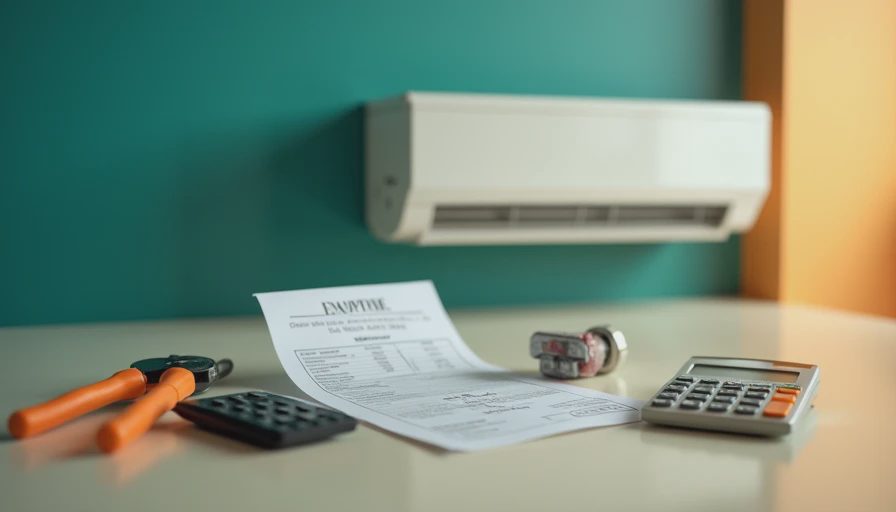
Your quote should identify the outdoor unit, each indoor head, mounting hardware, refrigerant line set, drain connection, electrical disconnect, startup testing, and labor. If the proposal only says “install mini split” with one large dollar amount, ask for an itemized version before signing.
The biggest factors behind mini split installation cost
Room size matters, but it is not the only sizing factor. A sunny upstairs bedroom in Charleston needs a different load calculation than a shaded interior office in Charlotte. Ceiling height, insulation, window area, air leakage, and local summer heat all affect the required capacity. An oversized system may cool quickly but cycle poorly, leaving the room damp. An undersized system can run constantly during a Texas heat wave.
Electrical work is another common surprise. Many mini splits require a dedicated circuit from the electrical panel. If the panel has room, that work might add $300 to $800. An older panel, a long wire run, or a needed service upgrade can add substantially more. Outdoor placement also affects labor. A condenser installed on a nearby concrete pad is simpler than one mounted high on a bracket with a long refrigerant route.
Permits and local code requirements usually add a modest fee, often $50 to $300, but they should be included in the planning conversation. In storm-prone areas, secure anchoring and protected placement are sensible details, not decorative extras.
How equipment efficiency changes the price
A lower-priced mini split can be perfectly adequate for a lightly used room. However, a higher-efficiency model may make more sense for a space used every day. Brands such as Mitsubishi Electric, Daikin, Fujitsu, LG, and Panasonic offer ductless systems across different efficiency levels and feature sets. The best choice depends on sizing, installer experience, warranty support, and parts availability in your area—not just the logo on the outdoor unit.
Heating performance deserves special attention in Georgia, North Carolina, and South Carolina. Some systems are cooling-focused, while others are heat pumps designed to provide useful winter heating. If you want year-round operation, ask about low-temperature performance, defrost behavior, and backup heat needs. A system that costs $800 more but replaces frequent space-heater use could be a better household decision.
Federal and utility incentives can also change the final number. Eligibility depends on the equipment, installation date, household circumstances, and current program rules. Treat rebates as a bonus after confirming the requirements, not as money that justifies an oversized or poorly installed system.
Is a mini split cheaper than central air?
That depends on what you already have. If a home has usable ductwork and an aging central system, replacing it may provide more even whole-home comfort. If you are adding cooling to one finished room, extending ducts can cost several thousand dollars and still produce weak airflow. In that situation, the mini split installation cost can be easier to control because the system serves only the space that needs it.
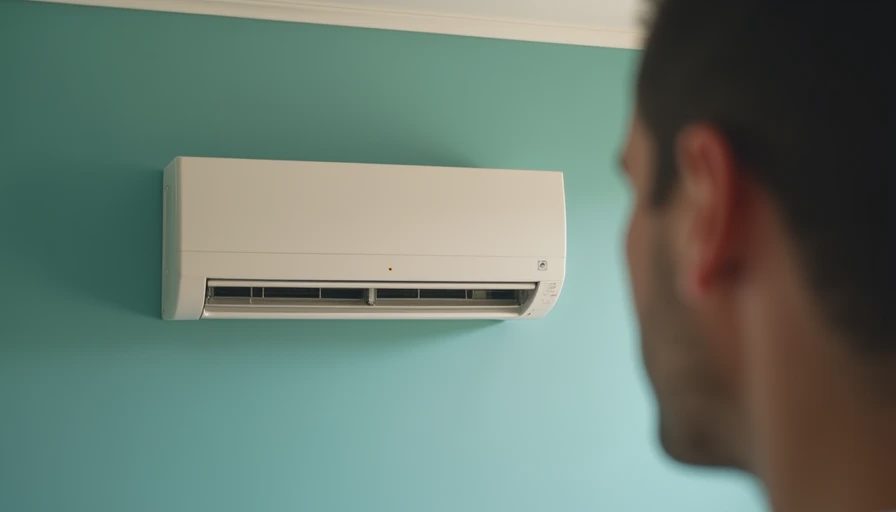
Ductless systems also avoid losses through leaky or poorly insulated ducts. They offer room-by-room controls, which can help a family stop cooling an empty guest room all day. The tradeoff is visible indoor equipment, routine filter cleaning, and a need for careful line-set installation. Some homeowners dislike the wall-mounted appearance; compact floor or ceiling-mounted units may be alternatives, though they can change the quote.
Do not compare systems using purchase price alone. Compare the cost of electrical changes, expected operating hours, service access, warranty terms, and the number of rooms you truly need to condition. Not every upgrade has to happen now.
How to compare contractor quotes
Get at least two or three written proposals from contractors who regularly install ductless systems. Ask each one to state the calculated capacity, equipment model numbers, efficiency ratings, line-set length, drain method, electrical scope, permit responsibility, warranty coverage, and startup procedure. A professional should evacuate and test the refrigerant lines rather than rushing through connections.
A realistic mini split installation cost quote should also explain where the outdoor condenser will sit and how the indoor head will drain condensation. In humid Florida or coastal South Carolina, poor drainage can create wall damage, odors, or recurring service calls. Look for clean line-set routing, sealed wall penetrations, secure outdoor mounting, and enough clearance for maintenance.
Price differences of $500 to $1,500 are not automatically suspicious. One contractor may include a new circuit, better brackets, longer warranty support, or difficult access that another has excluded. The cheapest proposal becomes expensive if it leaves you paying for electrical corrections later.
When waiting is the smarter choice
A ductless system makes sense when a room is consistently uncomfortable, an addition lacks ductwork, or you need independent control without replacing the entire HVAC system. It may not be the first project to fund if the house has major air leaks, failing insulation, or a central system near the end of its service life. Sealing obvious leaks and improving attic insulation can reduce the required cooling load before you buy equipment.
For example, a homeowner with a $4,500 quote for a hot upstairs office might first spend $600 to improve insulation and weatherstripping, then discover the room needs a smaller system. Another homeowner with a finished garage used daily may reasonably prioritize a heat-pump mini split because the comfort benefit is immediate.
Before approving a project, write down the room’s use, current temperature problem, monthly utility pattern, and expected years in the home. Then request an itemized quote that solves that specific problem. That process keeps a sales conversation from turning into an unnecessary whole-house project.
A practical decision before you sign
Use the quoted mini split installation cost as a starting point, not the entire decision. Confirm that the system is properly sized, the electrical work is clear, permits are addressed, and the contractor will test performance at completion. Ask what maintenance costs, filters, and warranty service will look like after installation.
A good installer should be comfortable explaining why a particular capacity and placement were chosen. If the answer is only “that is what we always use,” keep collecting quotes. You are paying for comfort, efficiency, and reliable work—not just a box on the wall.
The goal is a smarter decision, not a faster yes. Compare the details, price the project against the room’s actual value, and move forward when the numbers and the comfort problem line up.