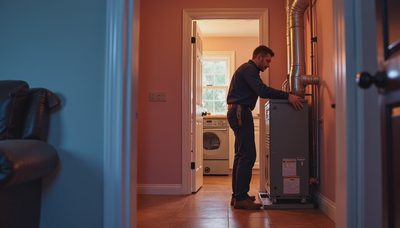
An hvac damper is a small but important part inside your ductwork. It controls how much heated or cooled air moves into a particular branch, room, or zone. When it is adjusted correctly, your system can deliver more even temperatures without forcing the central unit to work harder than necessary. When it sticks, breaks, or was installed poorly, one room may feel like a refrigerator while another stays uncomfortable.
For homeowners in Texas, Florida, Georgia, North Carolina, and South Carolina, that imbalance can become expensive during long cooling seasons. Before agreeing to a large duct replacement or a new air conditioner, it is worth understanding what the damper does and whether it is actually the problem. Let’s figure out what’s actually worth it.
What an HVAC Damper Does
A damper works much like a valve for air. It sits inside a supply duct, return duct, or air-handling section and changes the opening through which air travels. A manual damper is usually adjusted with a handle outside the duct. An automatic version uses a motor and responds to a thermostat, zone control panel, or building automation system.
Some homes have balancing dampers that are set once during installation. Others use motorized zoning dampers that open and close as different thermostats call for heating or cooling. A properly configured HVAC damper can send more air toward a sunny upstairs bedroom in July and less toward a shaded hallway that already feels comfortable.
This is different from closing a supply register. Shutting several registers can raise duct pressure and create noise, leakage, or stress on the blower. A correctly selected and adjusted HVAC damper manages airflow closer to the duct system’s design. It does not create more cooling capacity, but it can help distribute the capacity you already have.

Signs the Damper May Be the Problem
The most obvious clue is a persistent hot or cold room even when the rest of the house feels normal. Listen for rattling, buzzing, or a clicking motor near an accessible duct. A damper with a failed actuator may make noise without changing position. You might also notice weak airflow at one register, unusually strong airflow at another, or a zone thermostat that runs for a long time without reaching its setting.
Do not assume every uncomfortable room needs a damper repair. Air filters clogged with dust, crushed flex duct, undersized ductwork, poor insulation, leaky connections, and low refrigerant can create similar symptoms. A contractor should measure temperature differences and airflow rather than simply recommending a new part because it is easy to see.
A basic service visit often costs about $100 to $250, depending on access and local labor rates. That visit should include an inspection of the duct path, the damper position, the actuator, and the zone controls. If the issue is a loose linkage or incorrect manual setting, the fix may take less than an hour.
Repair and Replacement Costs
Manual damper adjustment is usually the least expensive solution. A technician might charge $150 to $350 to adjust several dampers, seal accessible duct joints, and rebalance airflow. Replacing a simple manual damper can cost roughly $200 to $500 when the duct is easy to reach. Crawl-space access, finished ceilings, and tight attic spaces push the price higher.
A motorized HVAC damper commonly costs about $300 to $800 installed, including the actuator and wiring. A proprietary zoning component connected to a control board can cost more, especially if the contractor must diagnose communication problems or replace a zone panel. These are practical ranges, not a promise; difficult access and regional labor prices matter.
Ask for an itemized quote. It should identify the damper size, whether the replacement is manual or motorized, the actuator brand, labor, access work, and any control-panel changes. If a quote jumps from $400 for a part to several thousand dollars, ask what additional work explains the difference.
When Zoning Is Worth Considering
A zoning system uses multiple thermostats and motorized dampers to control different sections of a home. It can make sense in a two-story house, an addition with different sun exposure, or a home where bedrooms and living areas have very different schedules. For example, a family might cool the main floor during the day and reduce airflow to unused bedrooms until evening.
Installing a full zoning system is more involved than replacing one HVAC damper. A typical retrofit may cost $2,000 to $5,000, while complex homes with several zones, new controls, and duct modifications can run higher. The goal is improved comfort and control, not an automatic guarantee of dramatic bill savings. If the existing system is oversized or the ducts are poorly designed, zoning alone will not solve the underlying problem.
Before approving the project, ask the contractor to show the proposed zones, explain minimum airflow requirements, and confirm that the equipment can operate safely when only one zone calls. A bypass arrangement or variable-speed blower may be needed in some designs. A reputable contractor will discuss noise, maintenance, and warranty details instead of presenting zoning as a magic energy solution.
How to Compare a Contractor’s Recommendation
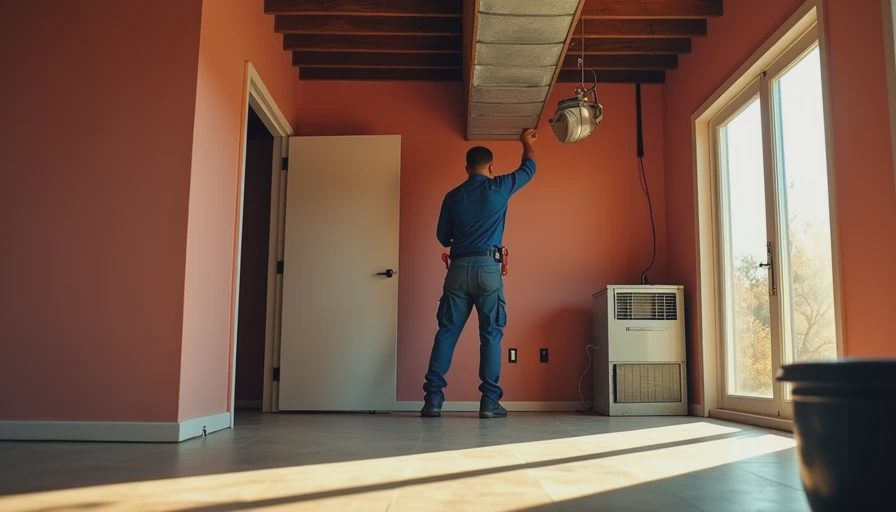
Start by describing the symptom, not your preferred repair. Say that the upstairs office is 78 degrees while the downstairs hallway is 72, or that one bedroom has weak airflow after the system runs for thirty minutes. Specific observations help the technician test the right parts of the system.
Request two levels of work when practical. One quote can cover the immediate repair, such as replacing an actuator or sealing a reachable duct connection. A second can outline a broader improvement, such as balancing several branches or adding zoning controls. This makes the cost of convenience and long-term improvement easier to see.
Look for measurements in the proposal. Useful details include supply and return temperatures, static pressure, duct leakage observations, and the number of dampers involved. Be cautious if the recommendation is based only on a quick glance at the thermostat. Also ask whether the proposed part is compatible with your air handler, furnace, heat pump, or communicating control system.
Brands such as Honeywell Home, Aprilaire, and Trane offer control and zoning components, but the brand name is only one part of the decision. Correct sizing, installation, wiring, and commissioning matter just as much. A less expensive component installed correctly can outperform a premium component installed without proper airflow testing.
The Smart Next Step for Your Home
Not every upgrade has to happen now. If one room is slightly uncomfortable but the system is quiet, efficient, and otherwise reliable, an airflow inspection and manual balancing may be enough. If an HVAC damper is stuck, noisy, or tied to a failed zone controller, repair sooner to prevent wasted runtime and ongoing comfort problems.
If your air conditioner is more than a decade old, the ductwork is difficult to access, and several rooms are uneven, compare the cost of damper work with a broader HVAC evaluation. You may discover that sealing ducts, improving attic insulation, or replacing an aging thermostat gives better value than installing a complex zoning package.
Before the visit, photograph accessible ductwork, note room temperatures at the same time of day, replace a dirty filter, and write down when the problem occurs. Those simple records can keep the appointment focused and reduce guesswork. Ask for a written scope, warranty information, and a clear explanation of what happens if the repair does not solve the comfort issue.
An HVAC damper is not a glamorous upgrade, but it can be the right small fix for a frustrating room. The best decision matches the repair to the actual airflow problem, the condition of the equipment, and your budget. When you are ready, compare local HVAC professionals who will test first and explain the numbers before asking you to commit.