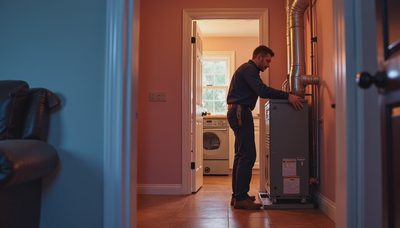
If you are wondering whether to cover air conditioning unit in winter, the short answer is usually no, at least not completely. Most modern outdoor central air conditioning units are built to remain outside through cold temperatures, rain, wind, and occasional snow. A full cover can trap moisture, provide a hiding place for rodents, and create more problems than it prevents. The better approach depends on your climate, equipment, and the kind of winter weather your home receives.
For homeowners in North Carolina, Georgia, South Carolina, or the warmer parts of Texas, winter protection is often more about clearing leaves and checking drainage than wrapping the condenser. In colder areas, a limited top cover can sometimes keep falling debris out. Let’s figure out what’s actually worth it before you spend money on a product that does little for your system.
Should you cover air conditioning unit in winter?
An outdoor condenser is designed to handle exposure. Its metal cabinet, electrical components, fan guard, and condenser coil are made for outdoor service year-round. During winter, the unit is not operating in normal cooling mode, so cold air itself is not usually a threat. Rain and snow generally drain through the cabinet rather than collecting inside the way many homeowners imagine.
The biggest concern with a full plastic or vinyl cover is trapped moisture. Condensation can form underneath an airtight cover, especially when temperatures move above freezing during the day and fall again overnight. That damp environment can encourage corrosion on electrical terminals, fasteners, and coil surfaces. A cover can also attract mice, squirrels, and insects looking for a protected shelter. Chewed wiring is an expensive way to begin spring.
If your unit sits beneath a roof overhang, has good drainage, and is not surrounded by heavy falling leaves, you may not need a cover at all. This is especially true for heat pumps, which continue running during winter. Covering a heat pump can block airflow and interfere with operation, so never cover an active heat-pump outdoor unit unless the manufacturer specifically provides instructions for that model.

How to cover air conditioning unit in winter safely
If your equipment is a conventional air conditioner that will not run during winter, a small top cover can be reasonable in a specific situation. For example, a unit under a large deciduous tree may collect acorns, pine needles, and wet leaves in the top grille. A breathable cover that protects only the top several inches can reduce debris without sealing the cabinet.
Choose a cover made for outdoor HVAC equipment, not a tarp, garbage bag, or fitted furniture cover. Look for breathable canvas, mesh, or a manufacturer-approved material. The cover should be secured against wind but should not extend all the way to the ground. Leaving the sides open allows air circulation and gives moisture a path to escape.
Before installing anything, turn off the outdoor disconnect only if your system will remain unused and your manufacturer or technician recommends doing so. Never switch off the main electrical panel as a casual winter step, and do not disconnect a heat pump that needs to provide heat. Photograph the disconnect position so you remember how the system was configured when spring arrives.
Clean the area around the condenser first. Remove leaves, grass, branches, and stored items within roughly two feet of the cabinet. Check that the unit is level and that the coil fins are not packed with debris. A cover cannot fix poor drainage or a clogged coil, and those issues can raise repair costs when cooling season returns.
When not to cover air conditioning unit in winter
Do not cover air conditioning unit in winter when it is part of a heat-pump system that may operate in heating mode. Heat pumps need unobstructed airflow in both summer and winter. A cover can cause overheating, poor performance, or equipment damage if someone turns on the system without removing it. If you are not sure whether the outdoor cabinet belongs to a heat pump or a standard air conditioner, check the thermostat settings, model label, or installation paperwork before making a decision.
Avoid covering a unit that already has visible rust, standing water, damaged wiring, or a bent cabinet. Those conditions deserve inspection, not concealment. A contractor might charge around $75 to $150 for a diagnostic visit, while replacing a damaged contactor, capacitor, or section of wiring can range from roughly $150 to $600 depending on access and parts. Finding a small problem in fall is usually easier than discovering it during the first hot weekend of May.
Also skip a cover if your property has regular winter humidity, frequent freeze-thaw cycles, or animals that gather around outdoor equipment. In those settings, ventilation and pest prevention are more valuable than a sealed barrier. A simple top shield under a protected roof may be safer than a full enclosure.
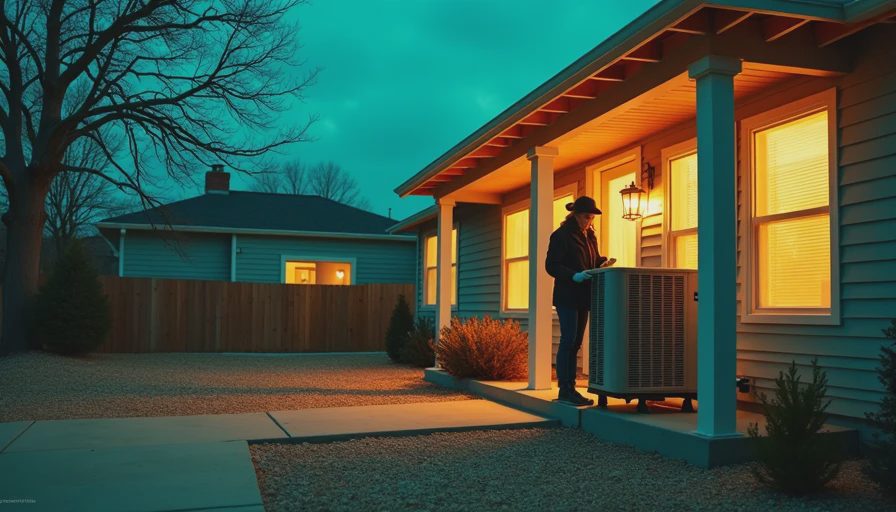
A simple winter HVAC checklist
You can prepare most outdoor air conditioners in about 20 minutes. First, switch off cooling at the thermostat after the last warm-weather use. If the system includes a heat pump, leave its normal heating controls available. Second, inspect the cabinet for dents, rust, oil marks, and loose wires. Third, clear leaves and weeds from the pad and confirm that water can drain away from the base.
Next, rinse heavy dirt from accessible coil surfaces with a garden hose if the manufacturer allows it, using gentle water pressure from inside toward the outside. Do not bend the fins with a pressure washer. Let the equipment dry before placing a breathable top cover over it. Finally, secure the cover with straps that do not damage the cabinet or block the service panel.
Put a reminder on your calendar for early spring. Remove the cover before asking the system to cool the house, and inspect for nests, droppings, loose fasteners, and storm debris. If you see chewed insulation or damaged wiring, leave the system off and arrange service.
What winter protection is actually worth buying?
A basic breathable top cover often costs about $20 to $60. That is a reasonable purchase when trees drop debris directly into the condenser. A heavy custom cover costing $100 or more is harder to justify unless the equipment has unusual exposure or the manufacturer recommends it. Spend first on practical maintenance: trimming vegetation, improving drainage, replacing a missing pad, or scheduling a spring tune-up.
A service visit commonly costs around $80 to $200, while a full maintenance plan may run $150 to $300 per year. The value comes from checking electrical connections, refrigerant-related symptoms, airflow, and safety controls rather than simply wiping the cabinet. A cover does not improve the system’s efficiency, reduce utility bills, or extend its life by itself.
When comparing contractor advice, ask three direct questions: Is this a standard air conditioner or a heat pump? What specific winter risk does the cover address? What maintenance should happen before startup? A trustworthy technician should explain the equipment and tradeoff instead of treating every home the same.
Getting ready for the first hot day
Before spring startup, remove debris from around the cabinet and take off any cover completely. Check the indoor filter, open supply registers, and set the thermostat to cooling only after outdoor temperatures are appropriate. When the system starts, listen for grinding, buzzing, repeated clicking, or unusually long run times. Weak airflow, warm air, or water near the indoor unit also deserves attention.
If the air conditioner is more than 10 to 15 years old, compare repair costs with replacement options before a major failure. A newer high-efficiency system can improve comfort, but the right choice depends on duct condition, insulation, equipment size, and local electricity rates. Not every upgrade has to happen now. Sometimes cleaning the coil and fixing airflow is the smarter move.
For most homeowners, the best answer is simple: protect the equipment from debris, keep moisture moving, and avoid sealing an active outdoor unit. If you still plan to cover air conditioning unit in winter, use a breathable top-only cover and confirm that the system will not operate until it is removed. The goal is a smarter decision, not a faster yes.