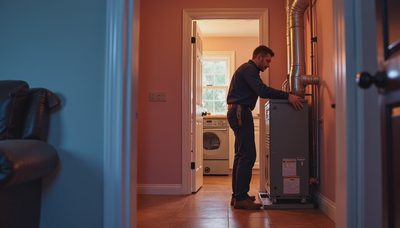
Heating oil can be a dependable way to heat a house, but it is not automatically the smartest long-term choice. If you live in the Northeast or another cold-weather region, you may be balancing fuel deliveries, an aging furnace, storage tank concerns, and winter utility bills that seem to rise every year. The right decision is not always “replace everything.” Let’s figure out what is actually worth it.
How heating oil systems work
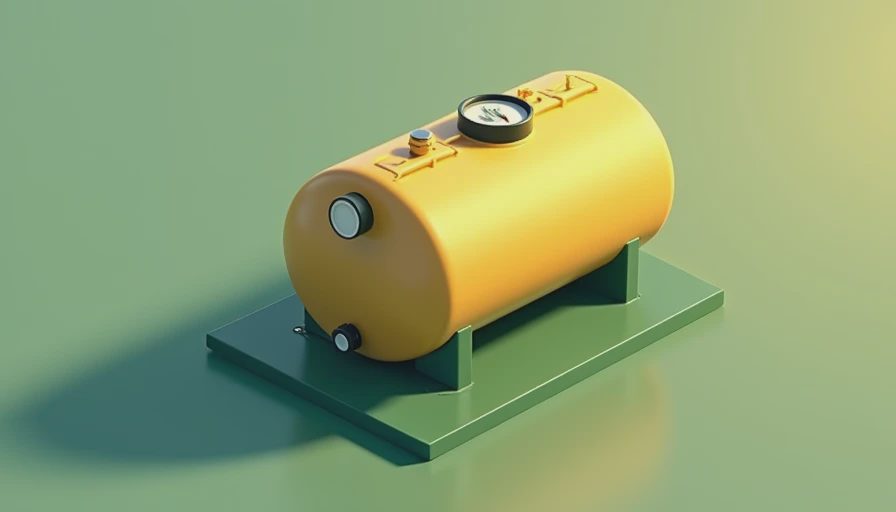
A typical heating oil system stores fuel in an aboveground or underground tank. A burner sprays the fuel into a combustion chamber, where it creates heat. That heat warms air for a forced-air furnace or water for a boiler. The system then distributes warmth through ductwork, radiators, or baseboards.
Modern equipment can be considerably more efficient than older furnaces and boilers. A system installed decades ago may lose more heat through the chimney, have a dirty or poorly adjusted burner, or struggle because of leaky ducts. A professional tune-up often costs roughly $150 to $300, while repairs can range from $300 for a small component to more than $1,500 for a major burner or control problem.
Heating oil prices also move with regional supply, weather, and global energy markets. That makes monthly budgeting harder than it is with some utility-billed fuels. A homeowner using 600 gallons during a difficult winter at $4 per gallon would spend about $2,400 on fuel alone. Actual use depends on insulation, thermostat settings, house size, equipment condition, and outdoor temperatures.

When repair is the sensible move
Not every heating oil system needs immediate replacement. Repair is often reasonable when the furnace or boiler is less than 12 years old, the heat exchanger is sound, the tank is in good condition, and recent fuel use has been stable. A documented service history also matters. A clean burner, correct nozzle, working safety controls, and a properly adjusted chimney draft can make a noticeable difference.
Ask the technician for more than a general statement that the system is “old.” Request the equipment age, combustion test results, known safety issues, estimated repair cost, and expected service life after the work. If a $500 repair can keep a safe, well-maintained system operating for several more seasons, that may beat a $7,000 to $12,000 replacement project.
However, repeated service calls change the math. Three repairs totaling $2,000 in one heating season, especially on equipment with a cracked heat exchanger or failing controls, suggest that replacement planning should begin. You do not have to approve the first sales proposal that appears at your kitchen table. Get a second opinion and compare the total installed price, warranty, removal work, and startup testing.
Tank condition deserves serious attention
The tank is one of the most important parts of the system because a leak can create expensive cleanup and property concerns. Aboveground tanks are easier to inspect, while buried tanks can be harder to monitor. Look for rust, damp spots, an unexplained fuel smell, staining beneath the tank, bulging, or corrosion around fittings and legs.
Do not wait for a visible leak before asking for an inspection. A qualified technician can evaluate the tank, lines, venting, and fill pipe. Tank replacement commonly costs several thousand dollars, depending on access, capacity, permits, excavation, and whether contaminated soil must be addressed. Insurance coverage for leaks varies significantly, and many policies do not treat gradual pollution damage the same way they treat sudden accidental damage.
Keep delivery records and service invoices. They help establish when a problem started and whether consumption changed unexpectedly. If a tank is underground and nearing the end of its useful life, replacing it before a failure can be less disruptive than arranging emergency excavation during a freezing week.
Compare heating oil with heat pumps and gas
When equipment is failing, compare more than the sticker price. A cold-climate heat pump can provide efficient heating and cooling from one system, but performance depends on outdoor temperature, electrical rates, insulation, and proper sizing. It may require backup heat during the coldest conditions. A ductless mini-split can work well for an addition or a house without usable ductwork, while a centrally ducted model is often cleaner for whole-home comfort.
Natural gas can be cost-effective where a reliable line is already available, but connecting a property that lacks service can add substantial infrastructure expense. Propane offers another combustion option but still requires a tank and fuel deliveries. Heating oil equipment may remain practical when the furnace is sound, the tank is safe, and switching fuels would require major construction.
Use annual operating cost estimates rather than promises of instant savings. Ask each contractor to show assumptions for fuel price, electricity price, expected usage, equipment efficiency, maintenance, and backup heat. A quote that saves $100 per month on paper but requires $15,000 upfront has a different payback story from a $4,000 repair.
Lower fuel use before replacing the system
The cheapest energy improvement is often the work that reduces the heating load. Seal obvious air leaks around attic hatches, basement rim joists, doors, and plumbing penetrations. Add attic insulation if levels are thin or uneven, and have ducts checked for disconnected joints or major leakage. Weatherstripping a drafty exterior door may cost less than $100, while attic air sealing and insulation can range from about $2,000 to $6,000 depending on access and home size.
Thermostat habits matter, too. Lowering the thermostat several degrees overnight or during an empty workday can reduce runtime, although the exact savings depend on the house and weather. Keep supply registers open, replace the furnace filter as recommended, and avoid blocking radiators with furniture or thick curtains.
A smart thermostat is useful only when it is compatible with the equipment and installed correctly. Some boilers and older oil systems need a professional to confirm wiring and control compatibility. Spending $250 on a thermostat will not fix poor insulation, a dirty burner, or a failing zone valve.
A practical decision checklist
Start by writing down the system age, last five fuel deliveries, recent repair invoices, tank type, and any rooms that stay unusually cold. Then schedule a full service visit before the heating season rather than during an emergency. Ask for a combustion test and a written list of safety findings.
Next, get two replacement estimates if the system is nearing the end of its life. Compare heating capacity, efficiency rating, tank work, chimney or vent changes, labor, permits, warranty coverage, and removal of old equipment. Some quotes look cheap because they leave out electrical upgrades, oil-line replacement, or difficult access charges.
Finally, consider the whole house. If the attic is underinsulated and windows leak air, replacing the furnace first may produce less comfort than expected. If the tank is deteriorating, safety and environmental risk should move higher on the list. Not every upgrade has to happen now, but known leaks and combustion hazards should not be postponed.
The bottom line for homeowners
Heating oil is neither automatically outdated nor automatically economical. Its value depends on the condition of the burner, boiler or furnace, storage tank, insulation, and local fuel prices. A well-maintained system can continue serving a home reliably, while a neglected tank or repeatedly failing furnace can turn a familiar setup into a costly liability.
The goal is a smarter decision, not a faster yes. Repair when the equipment is safe and the numbers work. Improve insulation and air sealing before blaming the heating system for every high bill. Compare heat pumps, gas, and replacement heating oil equipment when the current system is failing, and ask contractors to show the assumptions behind their savings claims. Then choose the project that improves comfort, reduces risk, and fits your actual budget.