

Let’s figure out what’s actually worth it.
When an old air conditioner is nearing the end of its life, most homeowners are offered two paths: replace it with another traditional central AC (paired with the existing furnace), or switch to a heat pump that handles both cooling and heating. In the South the decision is less about surviving harsh winters and more about efficiency, humidity control, complexity, and long-term operating cost.
Neither option is automatically better. The right choice depends on your climate pocket, utility rates, existing equipment, and how long you plan to stay in the house.
How the two systems differ in plain terms
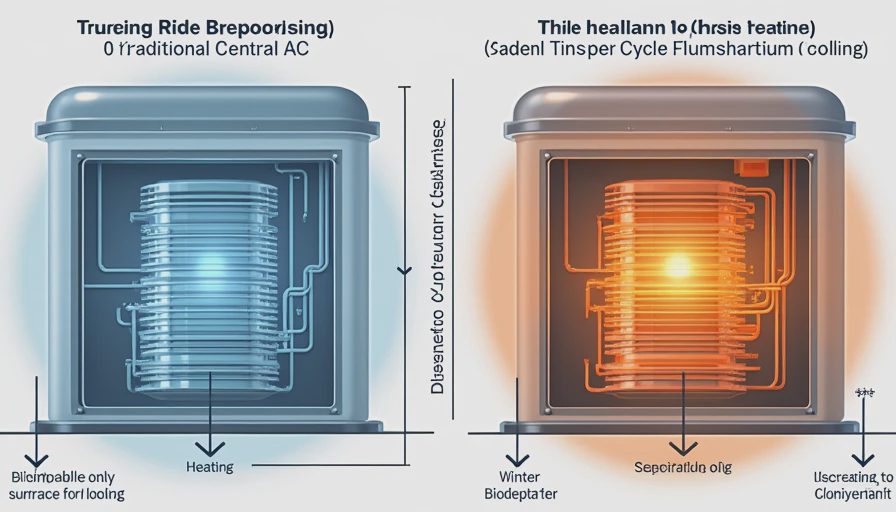
Traditional central AC + furnace
The outdoor unit only cools. When heating is needed, a separate gas (or electric) furnace kicks in. The systems are independent. This setup has been the default in much of the South for decades.
Air-source heat pump
The same outdoor unit moves heat. In summer it pulls heat out of the house (cooling). In winter it pulls heat from the outdoor air and moves it inside (heating). Most modern units still include backup electric heat strips for the coldest hours or for defrost cycles. Some homes use a dual-fuel setup that keeps a gas furnace as the backup.
Both can cool a house effectively. The differences show up in heating efficiency, equipment complexity, and how the system behaves across a full year.
Cooling performance in long Southern summers
On the cooling side, modern heat pumps and traditional ACs of comparable efficiency ratings perform very similarly. Variable-speed and inverter-driven versions of either type do a better job with humidity and even temperatures than older single-stage equipment.
If your only concern is summer cooling and you already have a reliable gas furnace with years of life left, a high-efficiency traditional AC remains a straightforward choice. You are not forced to change heating systems to get good cooling performance.
Heating performance and operating cost
This is where the comparison becomes more interesting.
Heat pumps deliver heat much more efficiently than electric resistance strips and, in milder weather, can compete with or beat gas furnace operating costs depending on local electric and gas prices. In most of Florida, South Texas, southern Georgia, and the low-country Carolinas, winter temperatures stay within the range where modern heat pumps maintain good capacity and efficiency.
In North Texas, northern Georgia, and the colder parts of the Carolinas, temperatures drop low enough often enough that you need to look at the specific heat pump’s low-temperature performance and the cost of backup heat. Cold-climate heat pumps have improved, but dual-fuel systems (heat pump + gas furnace) remain a practical middle path for those areas.
Run the numbers with your actual utility rates. The same heat pump can look attractive on electric resistance rates and less compelling if you have inexpensive natural gas and a furnace that is still solid.
Key decision factors for Southern homes
1. Age and condition of the existing furnace
If the furnace is near the end of its life or inefficient, replacing both functions with a heat pump (or a dual-fuel system) can simplify the equipment and improve overall efficiency. If the furnace is relatively new and reliable, adding a traditional AC keeps the scope smaller.
2. Utility rates and available incentives
High electricity prices or strong heat-pump rebates and tax credits improve the heat-pump case. Cheap natural gas and little or no heat-pump incentive favor staying with AC + furnace when the furnace still has life.
3. Climate pocket inside the South
Mild-winter coastal and southern zones lean toward straight heat pumps. Colder inland and northern zones make dual-fuel or careful low-temperature heat-pump selection more important.
4. Ductwork and electrical service
Both systems need adequate ducts. Heat pumps sometimes require attention to airflow and, in older homes, electrical capacity for the outdoor unit and any backup strips. A pre-install check avoids surprises.
5. Humidity control and comfort features
Variable-speed heat pumps and ACs both handle humidity better than single-stage units. If sticky indoor air is a major complaint, prioritize variable-speed equipment on either path rather than focusing only on heat pump vs AC.
6. How long you plan to stay
Longer time horizons give efficiency differences more years to compound and make the higher upfront cost of some heat-pump systems easier to justify.
Dual-fuel: the hybrid option
A dual-fuel (hybrid) system uses the heat pump as the primary heating source and switches to a gas furnace at a set outdoor temperature or when it is more economical. This setup can give you efficient heat-pump heating in mild weather and the reliable high-output heat of gas when temperatures drop. It is worth evaluating if you already have gas service and live in a climate with occasional hard freezes.
Practical decision path

Existing furnace is solid and still efficient → high-efficiency traditional AC is usually the simpler, lower-scope choice.
Furnace is old or you want one system for both seasons → modern heat pump (or dual-fuel) deserves serious comparison.
Winters are very mild and electric rates are moderate to high → heat pump often wins on operating cost and simplicity.
Winters include regular freezes and gas is inexpensive → dual-fuel or AC + furnace frequently makes more sense.
Strong heat-pump incentives are currently available → recalculate the net cost; incentives can shift the math.
In every case, proper sizing and duct condition matter more than the label on the outdoor unit. An oversized or poorly installed system of either type will disappoint on both comfort and efficiency.
Bottom line
For most Southern homes the cooling performance of a good heat pump and a good traditional AC is comparable. The decision turns on heating needs, the condition of the existing furnace, local energy prices, incentives, and how much system simplicity you want.
If your furnace still has years of reliable life and your main problem is summer cooling, a high-efficiency AC is a perfectly rational choice. If you are facing replacement of both the AC and the furnace, or if your climate and rates favor efficient electric heating, a modern heat pump (or dual-fuel system) is often the better long-term fit.
Not every upgrade has to happen now. The goal is a smarter decision, not a faster yes.
Gather your current system ages, recent energy bills, and local utility rates, then compare a properly sized heat-pump option against a traditional AC replacement. The clearer numbers almost always make the right choice obvious for your specific house.