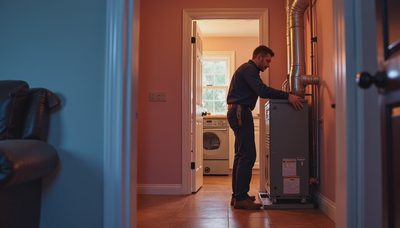
If you searched for furnace oil furnace information, you are probably trying to answer a practical question: should you repair the system you have, replace it, or consider a different heating setup? Oil furnaces can provide strong, dependable heat, especially in colder parts of the United States, but fuel prices, tank condition, maintenance needs, and equipment age all affect the real value. The smartest decision starts with the condition of the complete system, not a sales pitch about one new model.
How an oil furnace works
A furnace oil furnace burns heating oil in a combustion chamber. The heat warms air through a heat exchanger, and a blower sends that air through the home's ductwork. A flue carries combustion gases outside, while a fuel tank and oil line supply the burner. Each component matters. A newer burner will not solve a cracked heat exchanger, badly undersized ducts, or a tank that is close to failure.
Most oil furnaces are found in homes that already have ductwork and an established fuel-delivery arrangement. They can produce high heat output and continue operating during very cold weather. However, the system requires regular filter changes, burner service, nozzle replacement, and combustion checks. Soot, a smoky smell, delayed ignition, or unusual rumbling deserves prompt attention rather than another season of hoping the problem disappears.
An annual tune-up commonly costs about $150 to $300, depending on location and the work included. A basic repair could be under $200, while a fuel pump, motor, control board, or heat exchanger can push the bill well above $1,000. Ask for a written description of the failed part and whether the technician tested the system after the repair.

When repair makes more sense than replacement
A furnace oil furnace that is under 10 years old and has a sound heat exchanger may be worth repairing. The same is often true when the problem is limited to a thermostat, blower capacitor, ignition component, or clogged filter. Spending $200 to $600 on a targeted repair can be reasonable when the unit has been reliable and your fuel use has not suddenly increased.
Age changes the calculation. Many oil furnaces last roughly 15 to 25 years when maintained, but lifespan is not a guarantee of safe or economical operation. A 19-year-old unit needing a $1,500 repair is a different decision from a 7-year-old unit needing a $400 part. Look at the last three years of service invoices, winter fuel consumption, and how often the system has stopped working.
Safety should come before payback. A technician should inspect the heat exchanger, burner assembly, venting, draft, and carbon monoxide protection. Carbon monoxide alarms should be installed near sleeping areas and on every level where required or recommended by local safety guidance. Do not keep operating equipment that is releasing combustion gases indoors.
What replacement can cost
Replacing a furnace oil furnace typically costs about $4,500 to $10,000 for equipment and installation, although difficult access, new venting, a replacement tank, or duct repairs can increase the total. Get at least two detailed quotes. One contractor might include a new thermostat, oil filter, and startup testing, while another may list those items as additional charges.
A useful quote should identify the equipment brand and model, input capacity, efficiency rating, warranty terms, disposal fees, permits, labor, and any required oil-line or flue work. Brands such as Carrier, Lennox, and Thermo Pride sell heating equipment through contractor networks, but the installer and system sizing matter as much as the badge on the cabinet.
Do not select a furnace by comparing only the sticker price. A lower quote can become expensive if it includes an oversized unit, poor duct connections, or no post-installation combustion testing. A professional should calculate heating needs for the home rather than automatically replacing the old equipment with the same capacity.

Comparing oil heat with a heat pump
When a furnace oil furnace reaches the end of its service life, a heat pump deserves a serious comparison, particularly in moderate climates such as North Carolina, South Carolina, Georgia, and parts of Virginia. A heat pump moves heat instead of creating it through combustion. It can provide cooling in summer and heating in winter, which may eliminate the need for separate air-conditioning equipment.
An air-source heat pump can be less attractive in regions with long, severe winters unless it includes effective cold-weather performance and a backup heat source. In warmer states, however, it may reduce reliance on delivered heating oil while improving summer efficiency. Electricity rates, insulation, duct condition, outdoor unit placement, and backup heat settings all influence the result.
Ask contractors to compare estimated annual operating costs, not just equipment prices. Include the cost of removing or abandoning the oil tank, electrical upgrades, new refrigerant lines, and future maintenance. A hybrid system that combines a heat pump with an existing furnace can also be considered, though controls and installation must be designed correctly.
Lowering heating costs before replacing equipment
Not every upgrade has to happen now. Before replacing a furnace oil furnace, check the inexpensive problems that can make any heating system perform badly. Replace a dirty filter, seal accessible duct leaks, and confirm that supply registers are not blocked by furniture. If several rooms are cold, have the contractor inspect duct balance rather than simply recommending a larger furnace.
Air sealing around attic hatches, plumbing penetrations, recessed lights, and rim joists can reduce drafts. Adding attic insulation may deliver more comfort per dollar than replacing a functioning furnace. A programmable or smart thermostat can help when the home is empty for long periods, but thermostat savings depend on using a schedule that matches the family's routine.
For an older home, request a basic energy assessment before approving major equipment work. That assessment can reveal whether the real issue is heat loss through the attic, leaky windows, poor ductwork, or an aging burner. The goal is a smarter decision, not a faster yes.
A practical quote-comparison process
When evaluating a furnace oil furnace replacement, first record the equipment age, recent repairs, tank type, annual fuel use, and symptoms. Next, ask two or three licensed contractors for separate proposals. Have each contractor explain the recommended capacity, expected efficiency, venting plan, warranty, and commissioning tests in plain English.
Compare labor scope line by line. Confirm who handles permits, oil-line removal, tank work, startup testing, thermostat setup, and old-equipment disposal. Ask whether emergency service is available during the heating season and whether replacement parts are commonly stocked. A quote that is $800 higher can be the better value if it includes necessary chimney work or a properly sized system.
For financing, calculate the total repayment rather than focusing only on a monthly amount. Also investigate utility rebates, state programs, and federal tax-credit rules before signing. Incentives change, and some apply only to specific equipment, efficiency levels, or installation dates.
When doing nothing is reasonable
If your furnace oil furnace is operating safely, receiving regular maintenance, and producing manageable fuel bills, replacement may not be urgent. Set aside a repair reserve, schedule the next inspection before winter, and begin collecting quotes before the system fails. Planning during mild weather usually gives you more time to compare contractors and avoid an emergency decision.
Replacement becomes more compelling when repairs are frequent, indoor temperatures are uneven, fuel use is climbing without a weather explanation, or the heat exchanger and venting raise safety concerns. Let’s figure out what’s actually worth it by comparing the next repair with the full installed cost of replacement and the likely comfort improvement. A local quote comparison can be the right next step, but only after you understand what the work should include.