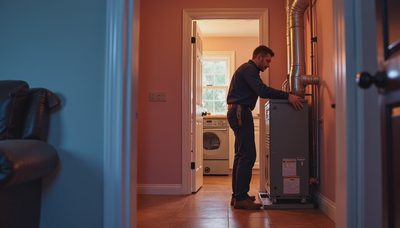
A furnace inspection is one of those home-maintenance tasks that is easy to postpone when the system seems to be working. In much of the Southeast, that can feel reasonable because winter is shorter and heating bills may not seem urgent. Still, a furnace that starts reliably is not necessarily operating safely or efficiently. A professional visit can uncover restricted airflow, worn electrical parts, cracked heat-exchanger concerns, or a venting problem before your family needs heat every night.
The goal is not to sell yourself a new furnace automatically. It is to understand the condition of the equipment, the cost of keeping it running, and the upgrades that actually make sense. Let’s figure out what’s actually worth it.
What a furnace inspection usually includes
A qualified HVAC technician should begin by reviewing the furnace’s age, service history, symptoms, and fuel type. Gas, electric, and oil systems have different safety checks, so a quick visual glance is not enough. The technician should inspect the burner or heating elements, blower motor, wiring, controls, filter, condensate components, and accessible duct connections.
For a gas furnace, combustion and venting deserve particular attention. The technician may check burner operation, gas pressure, ignition, flue connections, and carbon monoxide levels around the equipment. A heat exchanger inspection is also important because damage in that area can allow combustion gases to enter the air stream. Technicians cannot always see every internal surface without additional testing, but they should explain what they observed and what remains uncertain.
A typical furnace inspection also includes checking airflow and temperature rise. Temperature rise compares the air entering the furnace with the heated air leaving it. A result outside the manufacturer’s range can point to a dirty filter, undersized ductwork, blower trouble, or another restriction. The appointment should end with written notes, recommended repairs, and clear pricing rather than a vague statement that the unit is “bad.”
When should you schedule one?
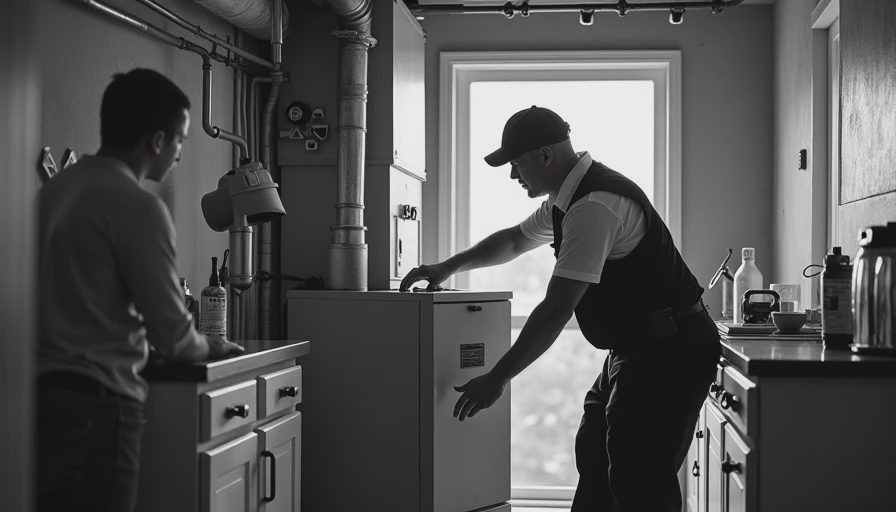
The most convenient time for a furnace inspection is before the first cold stretch, usually in early fall. Scheduling ahead can help you avoid emergency service rates and long waits when every local contractor is handling no-heat calls. If your furnace has been sitting unused since last winter, turn it on briefly while you are home and pay attention to unusual smells, repeated cycling, rattling, weak airflow, or a thermostat that cannot hold the set temperature.
Do not wait for a seasonal appointment if you smell gas, see soot, notice a damaged flue, or hear loud mechanical noise. Turn off the equipment when appropriate, leave the area if you suspect a gas leak, and contact the gas utility or an emergency professional. Carbon monoxide alarms should be installed near sleeping areas and on each level of the home, but an alarm is a backup—not a substitute for maintenance.
A furnace inspection is especially sensible when a system is more than 10 years old, has needed repeated repairs, or serves a home with children, older adults, or anyone sensitive to indoor air problems. Not every older furnace needs replacement. Condition, operating cost, repair history, and available parts matter more than age alone.
How much does a furnace inspection cost?
A basic service visit often falls in the range of $80 to $200, depending on location, equipment type, and whether the appointment is part of a maintenance plan. Some companies advertise a low-cost tune-up, then charge separately for diagnostic testing, filters, repairs, or carbon monoxide measurements. Ask what the advertised price includes before booking.
Maintenance memberships from companies such as Carrier dealers, Trane contractors, Lennox dealers, or independent HVAC shops may cost roughly $150 to $300 per year and can include one or two seasonal visits. Memberships sometimes provide priority scheduling or discounted repairs, but they are not automatically a good deal. Compare the included services with the cost of paying for individual appointments.
A useful furnace inspection should produce value even when no repair is needed. You should receive the unit’s approximate age, observed condition, safety findings, filter size, and a list of urgent versus optional recommendations. If a technician immediately recommends a $7,000 replacement without explaining the failure, get a second opinion. A $150 diagnostic visit is inexpensive compared with an unnecessary replacement.
How to judge repair versus replacement
The inspection report should help you separate a small maintenance issue from a major equipment decision. Replacing a filter may cost $10 to $30 and improve airflow immediately. A blower capacitor, igniter, flame sensor, or limit switch repair can commonly land between $150 and $500, depending on the part and labor. These repairs can be reasonable when the furnace is otherwise sound.
Replacement deserves more attention when the heat exchanger is damaged, the cabinet has severe corrosion, compatible parts are difficult to find, or repair estimates approach a substantial share of a new system’s cost. A new furnace installation can range from about $3,500 to $8,000 or more, depending on capacity, efficiency, venting, duct changes, and local labor. In some homes, a heat pump may be a better long-term comparison, especially where mild winters and high summer cooling demand make one system attractive for both seasons.
Ask for an itemized quote showing equipment, labor, permits, removal, thermostat work, duct modifications, warranty terms, and any available rebate. The cheapest bid may exclude work another contractor considers necessary.
Questions to ask before hiring a technician
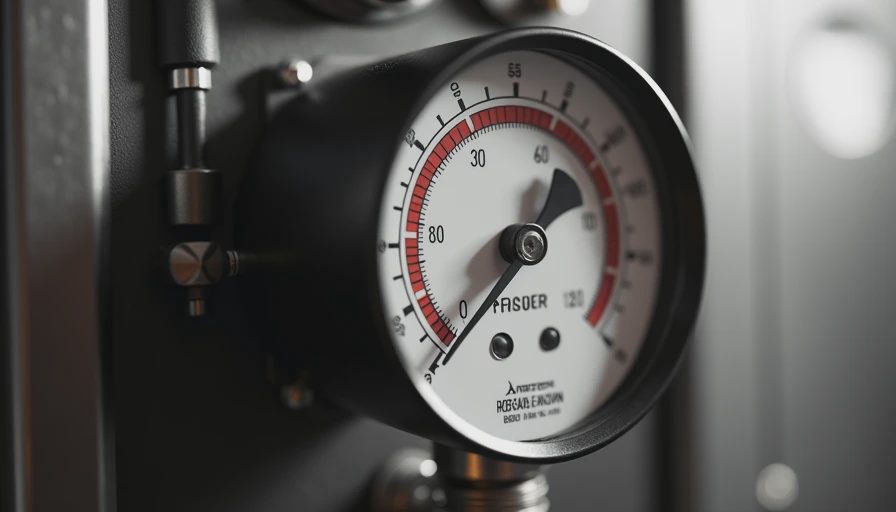
Before scheduling a furnace inspection, ask whether the company is licensed or registered as required in your state, carries insurance, and employs technicians trained for your equipment type. You can also ask whether the technician will measure combustion or carbon monoxide levels, check airflow, inspect venting, and provide a written report.
Request the total diagnostic price and the hourly or flat-rate repair structure. Ask whether after-hours charges apply and whether the technician will seek approval before installing parts. A trustworthy company should not object to those questions. It should also be willing to show you the failed component, explain its function in plain English, and distinguish a code-required repair from a comfort improvement.
If two contractors disagree, compare their evidence rather than their sales language. One may identify a genuine safety concern while another recommends replacement based mainly on age. Photos, test readings, manufacturer information, and a clear explanation are more useful than phrases such as “you are lucky it still runs.”
Make the visit work harder for your home
Prepare for the appointment by clearing boxes away from the furnace, replacing an overdue filter only if you know the correct size, and writing down recent symptoms. Do not hide intermittent problems just because the furnace is working on the day of service. Mention rooms that feel cold, unusual odors, high utility bills, thermostat errors, and repairs from the previous season.
After the visit, prioritize safety and reliability first. Next, address airflow and comfort issues that affect daily use. Efficiency upgrades come after the basics are working. Sealing accessible duct leaks, improving insulation, or using a programmable or smart thermostat may deliver more practical value than paying for a premium furnace that still serves a poorly insulated house.
Keep the report, invoices, equipment model number, and warranty information in one household file. Those records make future troubleshooting easier and help contractors prepare more accurate quotes. A furnace inspection is most useful when it becomes a decision tool, not just another maintenance receipt.
Not every upgrade has to happen now. If the system is safe, reliable, and reasonably efficient, schedule the next maintenance visit and budget gradually. If the report identifies a serious defect or repeated expensive repairs, compare replacement options before a cold-weather breakdown forces a rushed decision. The smarter move is the one that protects comfort, safety, and your budget at the same time.