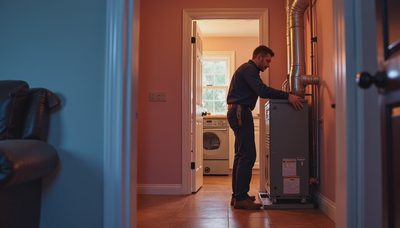
An electric furnace can be a sensible heating choice when a home has no natural gas service, needs a straightforward replacement, or already has usable ductwork. But the right answer depends on your winter temperatures, utility rates, insulation, and how long you plan to stay. In hot states such as Texas, Georgia, North Carolina, and South Carolina, heating is only one part of the decision because the same home often needs reliable air conditioning for much of the year. Let’s figure out what’s actually worth it before accepting a contractor’s first recommendation.
How an electric furnace works
An electric furnace uses resistance heating elements to warm air. When the thermostat calls for heat, electricity passes through those elements, a blower moves air across them, and the warmed air travels through the duct system into the rooms. The process is simple, and it does not burn fuel inside the home. That means there is no combustion chamber, gas flue, or carbon monoxide risk from the heating appliance itself.
The tradeoff is operating cost. Resistance heat turns electricity into heat efficiently at the equipment, but electricity often costs more per unit of delivered heat than natural gas or a properly sized heat pump. An electric furnace can also draw substantial power during a cold evening, which matters in regions with high electricity rates or demand-based billing. A tight envelope, good ductwork, and a well-programmed thermostat make a noticeable difference.
Because the system shares ducts with central air conditioning, replacement can be relatively uncomplicated when the existing cabinet, wiring, and blower arrangement are compatible. Still, compatibility should be verified rather than assumed. Electrical capacity, breaker size, return-air design, and indoor air quality accessories all affect the final installation.

Electric furnace cost and monthly bills
A basic electric furnace replacement often falls around $2,500 to $7,000 installed, although difficult ductwork, electrical upgrades, premium controls, and local labor can push the quote higher. A small replacement in an accessible utility closet may be far less complicated than a retrofit requiring a new circuit or a larger return-air opening. Ask for a written breakdown showing equipment, labor, permits, disposal, thermostat work, and warranty coverage.
Monthly cost is harder to estimate from the furnace label alone. A 15-kilowatt unit running for one hour uses 15 kilowatt-hours. At an electricity rate of 15 cents per kilowatt-hour, that hour costs about $2.25 before considering cycling, blower use, and thermostat settings. The furnace may run much less in a mild Charlotte winter than in a colder inland area, but poorly sealed ducts can waste comfort and money in either location.
Before replacing equipment, review twelve months of utility bills. Note the coldest months, total heating use, and any unusual spikes. If bills rose suddenly, the cause could be a failing sequencer, clogged filter, duct leakage, low insulation, or a thermostat problem instead of an end-of-life furnace. A $150 to $500 diagnostic or repair may be more sensible than a replacement that costs several thousand dollars.
Comparing electric furnaces with heat pumps
A heat pump deserves serious attention in warm and mixed climates. Instead of creating heat with resistance elements, it moves heat between the outdoors and indoors. In cooling mode, it works much like a central air conditioner. In heating mode, it reverses the refrigerant cycle. Because it transfers heat rather than making all of it directly, a heat pump can use less electricity for heating in suitable conditions.
That does not make every heat pump an automatic winner. A replacement may cost roughly $6,000 to $15,000 or more depending on capacity, duct changes, electrical work, and efficiency. A dual-fuel system can pair a heat pump with gas backup, while a heat pump with electric resistance backup may use the existing furnace cabinet or supplemental elements. Equipment sizing and installation quality matter more than a flashy efficiency number.
An electric furnace still has advantages. It is usually quieter than a fuel-burning system, has fewer combustion-related parts, and can provide dependable backup heat. It may also fit a limited budget when the air conditioner and ducts are in good condition. The practical comparison is not only purchase price; look at expected heating demand, local electricity rates, cooling needs, repair history, and available rebates.
When repair makes more sense than replacement
Age alone should not decide the project. An electric furnace that is 8 to 12 years old may still have useful life if the cabinet is sound, the blower motor is healthy, and heat output is even. Common service issues include failed heating elements, blower capacitors, relays, sequencers, limit switches, and worn blower motors. Many repairs fall between $150 and $900, depending on the part and access.
Replacement becomes more reasonable when repairs repeat, the blower is failing, the electrical panel cannot safely support the equipment, or rooms remain cold despite proper airflow. Burned wiring, overheated connections, persistent breaker trips, and a damaged heat exchanger cabinet deserve prompt professional attention. Do not keep resetting a breaker to force the system to run; that can turn a manageable electrical issue into a serious safety problem.
Ask the technician to measure temperature rise, inspect the filter and evaporator coil, test amperage, and examine supply and return ducts. A quote that says only “new furnace” does not tell you whether the underlying airflow problem will be fixed. The goal is a smarter decision, not a faster yes.
How to compare contractor quotes
Get at least two or three proposals with the same basic information. Each quote should identify the heating capacity, cabinet dimensions, electrical requirements, blower type, thermostat, warranty, permit responsibility, and startup testing. If one contractor recommends a much larger unit, ask what load calculation supports that choice. Oversizing can cause short cycles, uneven temperatures, and unnecessary wear.
Compare the total installed price, not just the equipment line. A $3,200 quote can become $5,000 after a new disconnect, wiring, platform, permits, duct transitions, and haul-away charges are added. Ask whether the contractor will seal accessible duct joints, verify airflow, and explain filter size. Brands such as Carrier, Trane, Rheem, Goodman, and Lennox all offer equipment across different price tiers; installation quality and correct sizing are central to performance.
A trustworthy contractor should explain what can wait. If the current furnace is safe and bills are manageable, postponing replacement while improving attic insulation or duct sealing may deliver better value. Not every upgrade has to happen now.
A practical decision path for homeowners
Start with safety and reliability. Arrange service if the system trips breakers, produces burning odors that do not quickly disappear, or fails to maintain temperature. Next, inspect the easy causes: replace a dirty filter, confirm supply registers are open, check thermostat batteries, and make sure outdoor equipment is not blocked if the home also uses a heat pump.
Then compare three numbers: the repair estimate, the replacement estimate, and the likely annual operating cost. If a $600 repair restores a dependable system with modest heating use, replacement may not be urgent. If the repair is $1,500 and the unit has recurring failures, that money may be better applied to a new electric furnace or a more efficient heat pump. Ask about utility rebates and federal incentives, but verify current eligibility rather than relying on an old advertisement.
For a hot-climate home, also consider the summer side of the system. A contractor should inspect the air conditioner, indoor coil, refrigerant setup, and duct leakage before pairing new heating equipment with old cooling equipment. A coordinated upgrade can improve comfort, but replacing a working air conditioner without a clear performance or reliability reason may not pay back quickly.
The bottom line on an electric furnace
An electric furnace is straightforward, dependable, and often practical when the home already has electric service and ducts. Its main weakness is that resistance heating can produce higher bills than a well-designed heat pump, especially when electricity rates are high or insulation is poor. The best choice comes from comparing the full picture: equipment cost, monthly energy use, repair risk, comfort, electrical capacity, and expected time in the home.
Before signing, request itemized quotes, confirm sizing, and ask what happens if the system needs electrical or duct modifications. Compare a like-for-like furnace replacement with a heat pump option so the decision is based on numbers rather than sales pressure. When you are ready, local quote comparisons can help reveal whether the proposed price is reasonable. The right project is the one that improves comfort and reliability without creating a payment you will regret.