The cost of installing ductless mini split equipment usually falls between $3,000 and $12,000 for a typical U.S. home, although a single-zone project can cost less and a multi-zone system can cost more. That range is wide for a reason: the number of indoor units, electrical work, wall access, equipment size, and local labor rates all change the final quote. Let’s figure out what’s actually worth it before you commit.
Typical ductless mini split installation prices
A single-zone system serving one bedroom, office, garage, or addition often costs about $2,500 to $5,500 installed. This generally includes one outdoor condenser, one indoor air handler, refrigerant lines, a wall sleeve, basic mounting, and startup testing. A straightforward installation on an exterior wall may land near the lower end. A difficult line-set route, long electrical run, or upgraded equipment can push it higher.
A two-zone system commonly runs from $5,000 to $9,000 installed. Three or four zones may cost $8,000 to $15,000 or more, especially when the home needs a new electrical circuit, multiple line-set covers, condensate pumps, or extensive finish work. Premium Mitsubishi Electric, Daikin, and Fujitsu systems often cost more than entry-level brands, but they can offer quieter operation, stronger cold-weather performance, better controls, or longer equipment warranties.
The cost of installing ductless mini split systems is not just the price printed on the equipment box. Labor, permits, refrigerant-line length, electrical capacity, crane access, and removal of old equipment can each affect the total. Ask whether the quote includes all of those items rather than comparing equipment prices alone.

What changes the cost of installing ductless mini split equipment?
The first major factor is capacity. A small 9,000-BTU head may be suitable for a compact bedroom, while an open living area may need 18,000 or 24,000 BTUs. Oversizing is not automatically better. An oversized unit can cycle poorly, reduce humidity control, and cost more upfront. A contractor should evaluate room size, window exposure, insulation, ceiling height, and air leakage before recommending a model.
The number and location of indoor heads also matter. A wall-mounted head is usually the least expensive choice. Ceiling cassettes, concealed duct units, and floor-mounted heads can look cleaner in certain rooms, but installation takes more labor. A line set passing through an attic or crawl space may require extra time and protective covering. In coastal or storm-prone areas, the outdoor unit may also need a secure stand or elevated mounting arrangement.
Electrical work is another common surprise. Many mini splits require a dedicated 208- or 230-volt circuit. If the electrical panel is full, outdated, or too small for the added load, an electrician may need to install a breaker, conduit, subpanel, or panel upgrade. That work can add roughly $500 to several thousand dollars depending on the home. Make sure the quote identifies electrical work as included, excluded, or an allowance.
Is a ductless mini split cheaper than replacing central air?
Sometimes, but the answer depends on what you are cooling. If your central air system is failing and the existing ductwork is in good shape, replacing it may be more economical for whole-home comfort. A new central system can commonly cost $6,000 to $14,000 installed, with larger or more complex homes running higher. Ductless equipment becomes especially attractive when ducts are missing, damaged, difficult to access, or serving spaces that are rarely occupied.
For a home addition, converted garage, detached workshop, or upstairs room, a single-zone mini split can avoid the expense of extending ductwork. It also lets you cool that area without conditioning unused rooms. In a house with leaky ducts, moving to ductless may improve comfort and reduce wasted cooling, but energy savings depend on thermostat settings, insulation, equipment efficiency, and local electricity rates.
The cost of installing ductless mini split equipment should be compared with the cost of solving the actual comfort problem. If one bedroom is hot because of poor attic insulation or a failed window seal, installing a new system may treat the symptom instead of the cause. A contractor should inspect the building envelope before selling a larger system.
How to compare contractor quotes
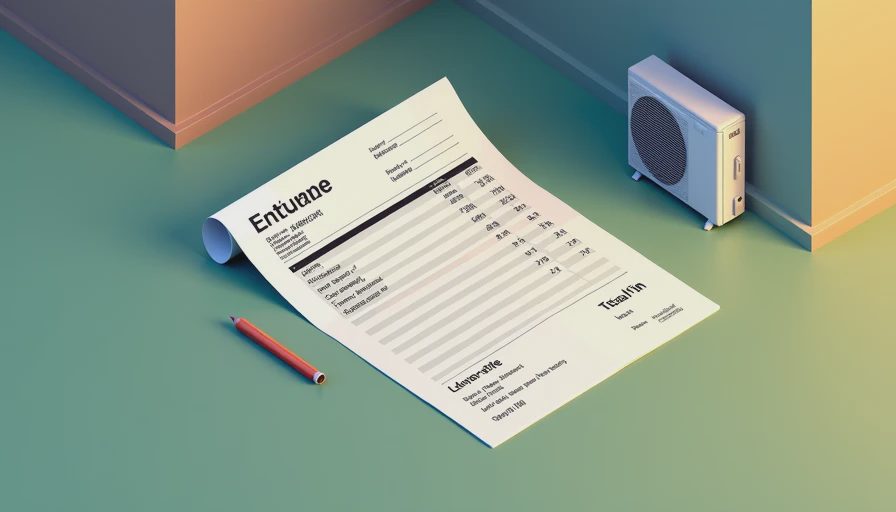
Start with at least two or three written proposals. Each should identify the brand, model numbers, cooling and heating capacity, number of zones, estimated line-set length, electrical scope, warranty terms, permit responsibility, and payment schedule. A vague quote that says “install mini split, $6,500” is difficult to evaluate and leaves room for change orders.
Look closely at warranty language. Many manufacturers provide a parts warranty only when the system is registered and installed by a qualified professional. Labor coverage may come from the contractor rather than the manufacturer, so ask how service calls are handled. You should also confirm who will test for refrigerant leaks, verify airflow, explain the remote control, and register the equipment.
Price is important, but installation quality affects comfort and service life. Refrigerant lines should be properly sized, insulated, supported, and protected from weather. The outdoor unit needs adequate clearance for airflow and a stable base. The contractor should pull required permits and leave the work area clean. A quote that is $800 cheaper may not be cheaper after unfinished trim, poor drainage, or a return visit.
Ways to lower the project cost
The simplest savings often come from choosing the right scope. If you only need to cool a home office, do not automatically price a four-zone system. Grouping indoor heads near exterior walls can shorten line runs and reduce labor. Scheduling installation during a contractor’s less-busy season may also improve availability, although equipment discounts vary.
Ask about utility rebates, manufacturer promotions, and federal tax incentives before signing. Eligibility can depend on efficiency ratings, product certification, installation dates, and household or property details. Keep the invoice, model numbers, permit records, and completion documents. A rebate is useful only if the equipment qualifies and the paperwork is complete.
Do not cut costs by skipping a load calculation or hiring an unlicensed installer where licensing is required. Incorrect sizing, poor flaring, and inadequate evacuation of refrigerant lines can create expensive performance problems. The goal is a smarter decision, not a faster yes.
When a ductless mini split is worth considering
This upgrade often makes sense when one part of the house is uncomfortable, central ducts would be expensive to add, or you want room-by-room control. It can also be practical for a small home where installing full ductwork would consume closets, attic space, or finished ceilings. Heat pump models provide both cooling and heating, which can be helpful in much of the Southeast during mild winter weather.
It may not be the best first project when the home has major insulation problems, a failing electrical panel, or a central HVAC system that still serves every room effectively. In those cases, address the underlying issue or compare a full replacement before adding separate equipment. Not every upgrade has to happen now.
Before requesting offers, write down which rooms are uncomfortable, when the problem occurs, and whether you need heating as well as cooling. Then use the cost of installing ductless mini split systems as one part of the decision, not the entire decision. A clear scope, realistic capacity, and detailed labor warranty are more valuable than a flashy low bid. When you are ready, compare local contractors and ask each one to explain what is included in the price.