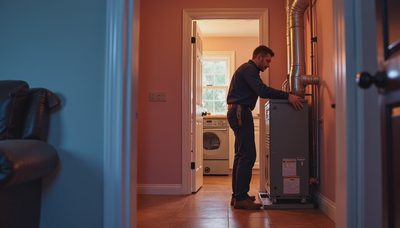
When a home is still warm at bedtime, searching for an air conditioner nearby feels urgent. But the closest HVAC company is not automatically the best choice, and replacing equipment before diagnosing the problem can waste thousands of dollars. The smarter approach is to find an air conditioner nearby, understand what your system actually needs, and compare clear local quotes before approving work.
For homeowners in Texas, Florida, Georgia, North Carolina, and South Carolina, cooling equipment works hard for much of the year. A dependable contractor can improve comfort, reduce wasted electricity, and help you avoid a breakdown during the hottest week of summer. Let’s figure out what’s actually worth it.
Start with the problem, not the equipment
Before calling for a replacement, write down what changed. Is the system blowing warm air, running constantly, making a grinding sound, or leaving one room much hotter than another? These clues help a technician distinguish a simple repair from a failing system.
A clogged filter can restrict airflow and make an air conditioner work harder. Dirty outdoor coils, a failing capacitor, blocked condensate drainage, or a refrigerant leak can also reduce performance. Some repairs cost roughly $150 to $500, while major compressor or coil work can run well above $1,000. Exact pricing depends on the equipment, access, labor rates, and local market.
If the system is less than eight years old and the indoor temperature is mostly stable, repair may be the sensible move. If it is over 10 to 15 years old, needs frequent service, or has an expensive refrigerant problem, replacement deserves a closer look. Not every upgrade has to happen now.
When searching for an air conditioner nearby, describe the symptoms and ask whether the diagnostic fee is credited toward approved repairs. That simple question can prevent an inexpensive service visit from turning into an unclear sales conversation.

How to compare local HVAC quotes
A useful quote should identify the equipment size, efficiency rating, installation scope, warranty terms, permit responsibility, and total price. Be cautious when a proposal only says “new AC system” with no model number or labor description. You need enough detail to compare two offers fairly.
Equipment size matters. An oversized unit may cool the air quickly but cycle on and off too often, leaving rooms damp and wasting energy. An undersized unit can run for hours without reaching the thermostat setting. A contractor should consider square footage, insulation, windows, ductwork, ceiling height, sun exposure, and local climate rather than choosing a unit by floor area alone.
Ask whether the quote includes removal of the old equipment, electrical adjustments, refrigerant lines, drain work, startup testing, and disposal. A replacement price that looks $1,200 lower can lose its advantage if important installation work appears later as an add-on. A typical central AC replacement may fall somewhere around $5,000 to $12,000, although difficult installations and premium systems can cost more.
The company you find through an air conditioner nearby search should also provide proof of licensing or registration required in your area, liability coverage, and references or established review history. Large brands such as Carrier, Trane, Lennox, Goodman, Rheem, and American Standard all offer equipment at different price points. Installation quality often matters as much as the logo on the cabinet.
Repair or replace: a practical decision test
Use three questions to organize the decision. First, how old is the system? Second, what has it cost to repair during the last two years? Third, is the home comfortable when the system is operating normally? A 12-year-old unit that needs a $900 repair and still leaves upstairs rooms hot is a different proposition from a six-year-old unit needing a $250 capacitor.
Also consider efficiency, but do not assume the highest rating is automatically the best investment. A high-efficiency variable-speed system can improve humidity control and reduce electricity use, but it usually costs more and may require compatible indoor equipment and controls. A standard single-stage replacement may deliver better value for a smaller home with moderate cooling demand.
A contractor near you should explain what happens if the repair is postponed. That does not mean accepting a scare-based pitch. Ask whether the system is safe to operate, whether additional damage is likely, and whether the proposed repair restores reliable performance. If the explanation is vague, get a second opinion before committing.
Improve cooling without replacing everything
Sometimes the best result comes from fixing the system around the air conditioner. Start with a clean filter, usually replaced every one to three months depending on dust, pets, and household activity. Keep supply vents open, make sure return grilles are not blocked by furniture, and check that the outdoor condenser has clear space around it.
Duct leaks can send cooled air into an attic, crawl space, or wall cavity. Weak airflow, dusty rooms, uneven temperatures, and high utility bills can point to duct problems. Sealing accessible leaks and improving insulation may cost less than replacement while making the existing equipment work better.
A programmable or smart thermostat can help when schedules are predictable. Raising the setting a few degrees while the house is empty reduces runtime, but extreme thermostat changes can make the system work hard during recovery. In humid climates, maintaining reasonable indoor humidity is important for comfort and mold prevention. A local technician can test airflow, temperature split, electrical components, and drainage before recommending a major project.
If you find an air conditioner nearby that offers an energy audit or performance check, ask what measurements are included. A useful assessment should be more specific than “your bills are high.” It should connect the recommendation to airflow, insulation, duct condition, equipment age, or thermostat behavior.
Plan for storms, heat, and difficult access
Hot, storm-prone states create a few extra considerations. Outdoor units should sit on a stable, level base with proper drainage. After severe weather, clear leaves and debris without bending the delicate fins. Never operate equipment with visible electrical damage or flooding; turn off power and arrange a qualified inspection.
For coastal homes, ask about corrosion-resistant components and maintenance intervals. For attic installations, confirm that the contractor can safely access the equipment and service the drain pan. Some homes also need improved attic insulation before a new AC can deliver its expected results. Otherwise, the new system may run constantly while heat pours through the ceiling.
An air conditioner nearby is useful only if the company can respond when you need service. Ask about normal-season scheduling, emergency availability, labor warranties, and who handles manufacturer warranty claims. The cheapest installation is not a bargain if a loose connection, poor drainage setup, or incomplete commissioning creates another service call.
A simple next-step checklist
Gather your equipment age, recent repair invoices, electric bills, filter size, and the rooms that feel uncomfortable. Take a short video of unusual sounds and note when the problem occurs. Then request two or three written evaluations from local contractors. Tell each company you want diagnosis before replacement pricing, unless the system has already failed completely.
Compare the scope of work, not just the bottom line. Look for load calculation or sizing reasoning, model numbers, efficiency ratings, warranty coverage, permits, startup testing, and payment terms. Ask what is excluded and whether duct repairs, electrical work, or pad replacement could change the price.
You can use an air conditioner nearby search as the starting point, but the goal is a measured decision. Sometimes that means a $200 service visit and a new filter. Sometimes it means planning a $7,000 replacement before an old system fails. The right answer depends on performance, age, repair history, and household priorities.
When you are ready, compare local HVAC offers and ask direct questions before signing. The goal is a smarter decision, not a faster yes.