
When your home feels warm even though the thermostat is set to 72 degrees, air conditioner coolant leak repair may be the solution. In the HVAC industry, the fluid is usually called refrigerant rather than coolant, but homeowners commonly use both terms. A leak can reduce cooling, raise electric bills, and eventually damage the compressor. The good news is that a leak does not automatically mean you need a whole new system. Let’s figure out what’s actually worth it.
Signs your air conditioner may be leaking refrigerant
The most obvious warning is weak cooling. Your system may run for long stretches while rooms remain humid or several degrees warmer than the thermostat setting. In Charlotte, Atlanta, Houston, or Tampa, that problem can become noticeable quickly because the air conditioner is already working hard through much of the year.
Other clues include ice forming on the copper refrigerant line or indoor coil, hissing sounds near the equipment, and an electric bill that rises without a clear change in usage. You might also see water around the indoor unit because a frozen coil eventually melts. That water does not prove a refrigerant leak, since clogged drain lines can create similar symptoms, but it is a reason to schedule a proper inspection.
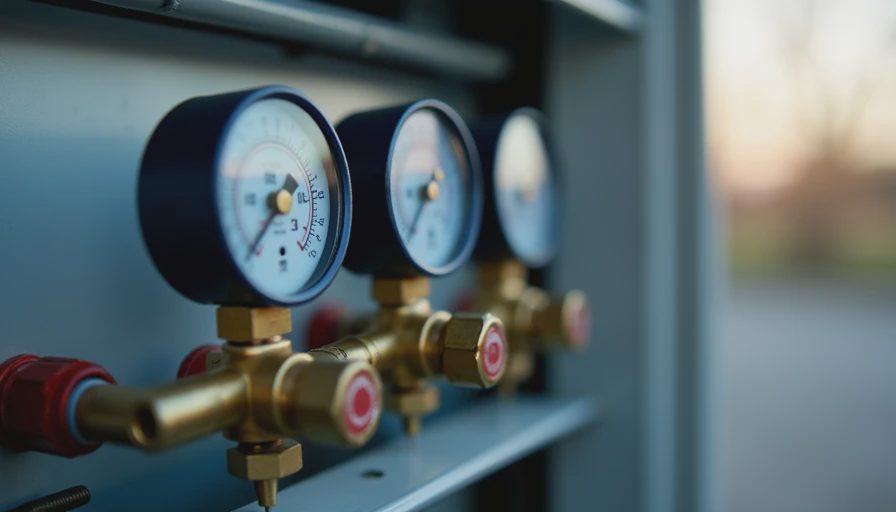
A technician should measure system pressures, inspect the indoor and outdoor coils, check flare fittings and service valves, and use an electronic detector or approved leak solution when needed. Simply adding refrigerant without finding the leak is usually a temporary fix. The system may cool better for a few weeks, but the same problem can return during the next hot spell.
What air conditioner coolant leak repair usually involves
Effective air conditioner coolant leak repair has several steps. First, the contractor confirms that low refrigerant is actually the issue. A dirty filter, failing capacitor, blocked duct, or malfunctioning blower can also cause poor cooling. Reputable technicians should explain the test results instead of jumping straight to a charge.
Next, the leak location is identified. Common trouble spots include corroded evaporator coils, outdoor condenser coils, copper tubing joints, and connections that have loosened over time. A small accessible leak at a service valve may be repaired fairly quickly. A coil hidden inside an older indoor air handler can require more labor and a larger part replacement.
After the repair, the technician removes contaminated or incorrect refrigerant when necessary, evacuates the system with a vacuum pump, and charges it according to the manufacturer’s specifications. The final step should include checking operating pressures, temperature split, and system performance. Ask for the work order to state what leaked, what was repaired, and how much refrigerant was added.
Typical repair costs and what changes the price
The cost of air conditioner coolant leak repair often falls between about $300 and $1,500 for many residential systems. A simple service-valve or accessible-line repair may land near the lower end. Finding a concealed leak, replacing an evaporator coil, or working in a cramped attic can push the bill higher. Emergency service during a weekend heat wave can also add a premium.
Refrigerant type matters. Older systems may use R-22, which is no longer produced for new equipment in the United States. Existing supplies can be expensive, and a contractor should not mix incompatible refrigerants. Many newer systems use R-410A, while newer equipment is moving toward lower-global-warming-potential alternatives such as R-32 or R-454B. The correct choice depends on the equipment label and applicable service requirements.
Before approving work, request a written estimate with the diagnostic fee, labor, parts, refrigerant quantity, warranty terms, and any disposal charge. A quote that says only “recharge AC” leaves too many questions unanswered. Also ask whether the price includes a return visit if the system loses charge again shortly after service.

Repair or replace the air conditioner?
Air conditioner coolant leak repair makes the most financial sense when the system is relatively young, the leak is accessible, and the compressor and other major components are in good condition. Spending $450 to repair a seven-year-old system can be reasonable if it has been reliable and still uses readily available parts.
Replacement deserves a closer look when the unit is 12 to 15 years old, needs an expensive coil, uses R-22, or has a history of repeated breakdowns. A new system may cost roughly $5,000 to $12,000 or more depending on capacity, efficiency, electrical work, duct modifications, and installation conditions. That is a major purchase, so do not replace equipment solely because a technician says it is “old.” Ask for the repair total, expected remaining life, efficiency difference, and replacement estimate in writing.
Homeowners in storm-prone parts of Florida, Georgia, Texas, and the Carolinas should also consider whether the outdoor unit has corrosion, flood exposure, or damaged electrical components. A leak repair cannot solve those separate risks. The goal is a smarter decision, not a faster yes.
How to compare HVAC contractors
For air conditioner coolant leak repair, look for a licensed and insured HVAC company that gives a clear diagnosis. Check whether the contractor offers a workmanship warranty and whether replacement parts carry a manufacturer warranty. A company that explains options in plain language is generally easier to work with than one that uses pressure, vague promises, or an immediate replacement pitch.
Get two or three quotes when the system is still operating safely. Compare what each quote includes rather than choosing the lowest number automatically. One contractor might quote only refrigerant, while another includes electronic leak detection, brazing, evacuation, testing, and a written repair warranty.
You can prepare useful information before the appointment: the model and serial numbers, the system’s age, recent repair history, rooms that are not cooling, and any unusual sounds or ice. Replacing a clogged filter is sensible, but do not open refrigerant lines or attempt a DIY recharge. Refrigerant handling requires specialized equipment and can create safety and environmental problems.
Steps to reduce the chance of another leak
Routine maintenance cannot prevent every leak, especially corrosion-related coil failures, but it can catch problems sooner. Replace or clean the air filter on the schedule recommended for your home, keep leaves and grass away from the outdoor coil, and maintain clear airflow around the condenser. Annual service can help identify vibration, corrosion, dirty coils, and electrical wear before a small issue becomes a no-cooling emergency.
Pay attention to performance changes. If cooling takes longer, humidity rises, or the outdoor unit runs almost continuously, call before the compressor is strained. Keep the indoor temperature reasonable during extreme heat rather than making the system chase a very low setting. Sealing obvious duct leaks and improving attic insulation can also reduce runtime, although those upgrades will not repair a refrigerant leak.
Air conditioner coolant leak repair is often a practical way to extend a serviceable system, but it is not always the best long-term investment. Compare the repair scope with the unit’s age, refrigerant type, comfort performance, and likely future costs. If you want a second opinion or local pricing, gather a few detailed estimates and focus on the explanation behind each recommendation. Not every upgrade has to happen now; the right next step is the one that protects comfort and makes sense for your budget.