
When a central air conditioner stops cooling well, many homeowners search for AC freon and assume the system simply needs a refill. Sometimes that is true, but low refrigerant is usually a symptom of a leak, not a routine maintenance issue. Adding refrigerant without finding the cause can leave you paying for the same repair again a few weeks later.
The practical question is not just, “How much does refrigerant cost?” It is whether the system is old, what type of refrigerant it uses, and whether repairing the leak makes financial sense. Let’s figure out what’s actually worth it before a contractor turns a hot afternoon into a rushed replacement decision.
What AC Freon Actually Means
Freon is a familiar brand name that homeowners often use for air-conditioning refrigerant. In everyday conversation, AC freon can refer to the chemical that circulates through the indoor coil, outdoor condenser, and connecting lines to move heat out of your home. The refrigerant does not get “used up” during normal operation. A properly sealed system should not need regular topping off.
Older systems commonly use R-22, while many newer units use R-410A. Newer equipment is moving toward lower-global-warming-potential options such as R-32 and R-454B. These refrigerants are not interchangeable. A technician must identify the correct type from the equipment label before adding anything.
R-22 systems deserve extra scrutiny because new R-22 production and import ended in the United States years ago. Reclaimed supplies can still be available, but prices are often high and availability is less predictable. That does not automatically mean an older system must be replaced today. It does mean a large leak can change the repair-versus-replace math quickly.
Signs Your AC May Be Low on Refrigerant
Weak cooling is one clue, but it is not proof of a refrigerant problem. A dirty filter, blocked outdoor coil, failing capacitor, damaged ductwork, or thermostat issue can create similar symptoms. Look for several signs together:
- The air conditioner runs for long periods but the house remains warm.
- Supply air feels less cool than usual, even with a clean filter.
- Ice forms on the indoor coil or the larger insulated copper line.
- The system cools unevenly, with some rooms comfortable and others hot.
- Electric bills rise without a clear change in weather or usage.
- You hear hissing near a line connection or notice oily residue around fittings.
Do not scrape ice from the coil or keep running the unit for hours. Shut it off and use the fan setting if needed while arranging service. Ice can hide the original problem and continued operation can stress the compressor, which is one of the most expensive parts to replace.

A useful first step is simple: check the filter, confirm the outdoor unit has room to breathe, and make sure the thermostat is calling for cooling. If those basics look normal, ask for a diagnostic visit rather than agreeing immediately to “a pound of freon.” The technician should measure system pressures, inspect the coil and line connections, and explain what testing found.
What an AC Freon Repair Usually Costs
Pricing depends on refrigerant type, the amount required, accessibility, and whether the leak can be located and repaired. A basic diagnostic visit often runs about $75 to $200, although some companies apply that fee to approved work. Adding a smaller amount of common refrigerant might cost roughly $150 to $400. A significant recharge, especially with older refrigerant, can run $400 to $900 or more.
Leak repair adds another layer. A reachable connection or service valve may cost $200 to $500 to repair. An evaporator-coil leak can cost $700 to $1,500 or more, depending on the equipment and labor. These are planning ranges, not guaranteed quotes, but they help separate a reasonable repair from an open-ended bill.
Ask for an itemized estimate showing the refrigerant type, estimated quantity, leak location, labor, parts, and warranty. Be cautious if a quote only says “freon refill” and does not address why the charge was low. A reputable contractor should not promise that a refill alone will permanently solve a suspected leak.
When Repairing the System Makes Sense
Repair is often reasonable when the air conditioner is relatively young, the leak is accessible, and the compressor and coil are in good condition. For example, spending $300 to repair a service fitting on an eight-year-old R-410A system can be sensible if the unit has been reliable and the home still has adequate ductwork.
A repair deserves more caution when the system is 12 to 15 years old, uses R-22, has needed repeated charges, or has a failing coil and compressor. One $600 repair may be manageable; two or three major repairs in a single cooling season can approach the cost of a new, more efficient system. Ask the contractor to compare the immediate fix with a replacement quote rather than presenting only one path.
Not every upgrade has to happen now. If the system is cooling, the leak is minor, and the equipment is otherwise healthy, a documented repair can buy time. The goal is a smarter decision, not a faster yes.
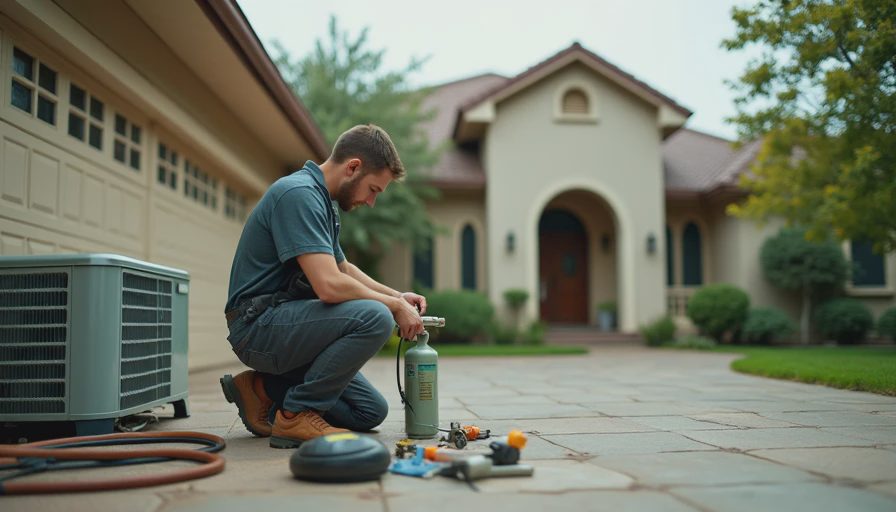
AC Freon Versus Replacing the Air Conditioner
Replacement becomes more attractive when repair costs exceed about one-third of a comparable new system, though the right threshold depends on budget, comfort, and equipment condition. A new central air conditioner may cost approximately $5,000 to $12,000 installed, with larger or higher-efficiency systems costing more. A heat pump replacement can fall into a similar broad range.
Do not compare only the sticker price. A newer system may improve humidity control, reduce breakdown risk, and use a refrigerant supported for current equipment. In hot states such as Texas, Florida, Georgia, North Carolina, and South Carolina, better sizing and ductwork can matter as much as the condenser label. An oversized unit may cool quickly but leave rooms clammy, while an undersized unit can run constantly.
Request at least two written proposals. Each should identify equipment size, efficiency rating, refrigerant, labor warranty, parts warranty, electrical changes, permit responsibilities, and removal of the old unit. If the contractor skips a load calculation and simply matches the old tonnage, ask why.
Questions to Ask Before Hiring a Technician
A short conversation can reveal whether you are getting diagnosis or merely a recharge sale. Ask these questions:
- What refrigerant does my system use, and how did you confirm it?
- Did you find a leak, or are you recommending a recharge based only on low pressure?
- Where is the leak located, and what repair method do you recommend?
- How much refrigerant will the system need, and what is the price per pound?
- What other parts are showing wear, especially the coil, capacitor, and compressor?
- How long would the repair be covered under your workmanship warranty?
- What would you expect this repair to cost over the next two cooling seasons?
A contractor who answers clearly should be comfortable giving you time to compare options. You can also check whether the company carries appropriate licensing and insurance for your area and whether the technician is qualified to handle refrigerants.
A Sensible Next Step for Homeowners
Start with the least expensive useful information. Replace a clogged filter, clear leaves from the outdoor unit, and record the thermostat setting, indoor temperature, and symptoms. Then schedule a diagnostic appointment if cooling remains weak. Do not purchase refrigerant from an online marketplace or attempt to charge the system yourself; handling refrigerants requires specialized tools and training.
When the technician arrives, focus on evidence: the refrigerant type, leak location, system age, repair estimate, and expected remaining life. Compare that information with a replacement quote if the equipment is older or has a history of leaks. A local quote comparison can help you see whether a proposed repair is competitive without committing to a project on the spot.
AC freon problems can be frustrating, especially during a humid summer week, but they do not always require immediate replacement. Diagnose first, price the complete repair, and then compare that number with the condition and age of the system. That calm sequence protects your budget and helps you choose the cooling upgrade that is actually worth it.