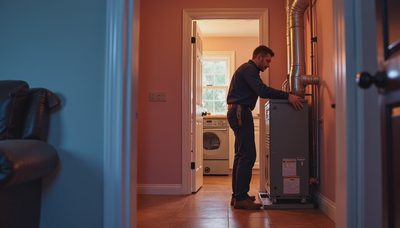
When your ac blowing hot air becomes the main feature of a July afternoon, the problem feels urgent. In many cases, though, the fix is smaller than homeowners expect. A wrong thermostat setting, clogged filter, tripped breaker, frozen coil, or refrigerant leak can all stop a central air conditioner from delivering cold air. The goal is to identify the likely cause without paying for unnecessary work.
Start with the simple checks
Before calling a contractor, stand near a supply vent and confirm whether the air is warm, room temperature, or slightly cool. Then check the thermostat. Set it to Cool, lower the temperature at least five degrees below the indoor reading, and confirm that the fan is set to Auto rather than On. A fan set to On can keep blowing air between cooling cycles, which can feel warm even when the system is operating normally.
Next, inspect the air filter. A one-inch filter that is gray, dusty, or visibly packed with debris should be replaced. Restricted airflow can cause the evaporator coil to become too cold and freeze. Once the coil freezes, the system may blow warm air until the ice melts. Turn the cooling system off, leave the indoor fan on if it runs, and allow several hours for thawing. Do not chip at the ice with a tool; that can damage the coil.
Check the electrical panel and the outdoor disconnect only if you can do so safely. A tripped breaker can shut down the outdoor condenser while the indoor blower continues running. Reset a breaker one time. If it trips again, leave it off and arrange service rather than repeatedly forcing it back on.

Why your ac blowing hot air may point to an outdoor problem
If the indoor blower runs but the outdoor unit is silent, the issue could involve the breaker, disconnect, capacitor, contactor, thermostat wiring, or control board. The capacitor helps the outdoor fan and compressor start. When it fails, you might hear a hum, see the fan sitting still, or notice the system shutting down shortly after starting. Capacitors hold electrical charge, so this is not a do-it-yourself repair.
If the outdoor fan spins but the air remains warm, the compressor may not be pumping refrigerant correctly. A refrigerant leak is another possibility. Refrigerant does not get “used up” like gasoline, so a low charge usually means there is a leak or an earlier service issue. Adding refrigerant without finding the leak can provide only temporary relief and leave you paying for the same problem again.
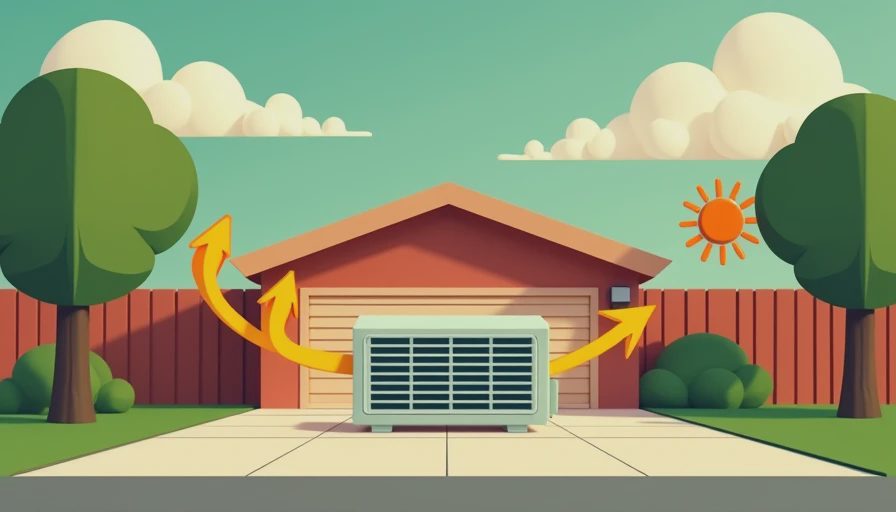
The outdoor coil also needs airflow. Turn off power before looking for leaves, grass clippings, or cottonwood buildup around the cabinet. Gentle garden-hose cleaning from the inside outward is sometimes appropriate for an accessible unit, but never bend the fins or spray electrical components. In storm-prone areas such as Florida, Georgia, and the Carolinas, outdoor debris can build up quickly after heavy weather.
What to check when ac blowing hot air continues
Pay attention to timing. If the system starts cold and becomes warm after 10 or 15 minutes, a frozen coil, failing capacitor, overheating compressor, or airflow restriction deserves attention. If it has never produced cold air this season, a breaker, thermostat, disconnect, or failed component is more likely. If only one room is warm, the air conditioner may be fine and the problem could be a closed damper, disconnected duct, poor insulation, or a supply vent blocked by furniture.
Look for water near the indoor unit. A clogged condensate drain can trigger a safety switch and stop cooling to prevent overflow. A small amount of condensation is normal, but standing water, ceiling stains, or a wet drain pan should not be ignored. Turn off cooling and call for service if water is approaching electrical equipment.
Do not remove access panels or handle refrigerant lines yourself. Copper lines can be extremely cold, and licensed technicians have the tools needed to test pressure, electrical components, airflow, and temperature differences. A clear description of what you observed can shorten the diagnostic visit.
Typical repair costs and when to compare quotes
A basic service visit often costs roughly $75 to $200, depending on location, timing, and the contractor. A replacement capacitor may run about $150 to $400 installed. Clearing a condensate drain commonly falls in the $100 to $300 range, while a blower motor, control board, or contactor can cost several hundred dollars. Refrigerant leak testing and repair vary widely because access and the type of refrigerant matter.
Those numbers are planning ranges, not promises. Ask for the diagnosis in writing, the exact part being replaced, the labor charge, and whether the repair includes a warranty. If a technician immediately recommends replacing the entire system without testing airflow, electrical operation, and refrigerant performance, get a second opinion. The cheapest quote is not always the best value, but a clear explanation is a good sign.
Repair or replace the air conditioner?
Age changes the math. A system that is eight years old with a failed capacitor is usually a repair conversation. A 15-year-old system with a leaking coil, weak compressor, repeated breakdowns, and rising electric bills may deserve a replacement comparison. Current systems can offer better efficiency, quieter operation, improved humidity control, and more dependable performance, but installation quality matters as much as the equipment label.
Replacement prices commonly range from about $5,000 to $12,000 or more for a central system, depending on capacity, duct changes, electrical work, efficiency, and regional labor. A heat pump may be worth comparing in a warm climate because it can provide heating and cooling, although the best choice depends on the home and local weather. Ask for at least two itemized proposals that show equipment size, efficiency rating, warranty terms, permits, and what happens to the old unit.
Not every upgrade has to happen now. If the system is cooling reliably after a modest repair, use the time to build a replacement fund and compare contractors before the next heat wave. That is usually better than making a rushed decision during an emergency.
How to prevent another hot-air call
Replace filters on a schedule that fits the home, often every one to three months. Keep supply vents open, avoid blocking return grilles, and keep shrubs several inches away from the outdoor cabinet. Have the system professionally inspected before the hottest part of the year, especially if it has short cycling, uneven rooms, unusual noises, or weak airflow.
Ask a contractor to measure system performance rather than simply washing the unit and saying everything looks fine. Useful checks include temperature split, refrigerant condition, electrical draw, drain operation, duct leakage, and blower airflow. Sealing a disconnected duct or improving return airflow can sometimes produce more comfort than buying a larger air conditioner.
When ac blowing hot air returns, start with the safe checks, record what the system is doing, and then request a focused diagnosis. Let’s figure out what’s actually worth it: a $200 repair, a duct fix, seasonal maintenance, or a carefully planned replacement. The smarter decision is rarely the fastest yes.