Let’s figure out what’s actually worth it.
An air conditioner can still cool the house and quietly waste money at the same time. In long Southern summers the system runs so many hours that small efficiency losses add up. Some of the warning signs are obvious. Others look like normal aging until you connect them to the bill or the comfort complaints.
Here are seven practical signs that your AC is costing more than it should—and what each one usually means.
1. The outdoor unit runs almost constantly on ordinary hot days
Short cycling (turning on and off frequently) gets more attention, but continuous or near-continuous operation on days that are hot but not extreme is often a clearer efficiency problem. It can point to:
Loss of capacity from age, low refrigerant, or failing components
Undersized equipment for the current load
Restricted airflow from dirty coils or filters
Duct leakage that is throwing cooled air into attics or crawlspaces
If the system only keeps up by running nonstop, it is working harder (and using more electricity) than a properly performing unit would need.
2. Humidity feels high even when the temperature is at setpoint
Temperature and humidity are related but not the same. A system that reaches 75°F while the air still feels sticky is often short-cycling, oversized, or no longer removing moisture effectively. In humid climates this is more than a comfort issue—it means the equipment is using energy without fully doing its job. Variable-speed systems handle this better; older single-stage units that have lost efficiency or are incorrectly sized struggle more.
3. Energy bills are rising faster than the weather or utility rates explain
Compare summer bills year over year, adjusting roughly for hotter or milder seasons. A steady climb while usage habits and the number of people in the house stay similar is a useful signal. It does not diagnose the exact problem, but it tells you the system or the envelope is demanding more energy than before. Pair the bill trend with the other signs on this list to decide how urgently to investigate.
4. Airflow from the vents is weaker than it used to be
Reduced airflow forces the system to run longer to move the same amount of heat. Common causes include:
Dirty or restrictive filters
Dirty evaporator coil
Failing blower motor or capacitor
Closed or blocked returns
Duct restrictions or collapses
Weak airflow is one of the more fixable drains on efficiency if caught early. Ignoring it usually leads to frozen coils, higher energy use, and eventual component stress.
5. The system needs more frequent repairs or “top-offs”
Occasional maintenance is normal. Repeated refrigerant additions, capacitor replacements, or contactor failures in a short period are not. Refrigerant should not need regular topping off; if it does, there is a leak. Each repair visit adds cost, and a system that is repeatedly patched is rarely operating at its original efficiency. At some point the cumulative repair cost plus the elevated operating cost exceeds the economics of replacement.
6. Rooms are uneven—some too cold, others never quite comfortable
Large temperature differences between rooms often point to duct problems, imbalance, or a system that can no longer deliver design airflow. The thermostat may be satisfied while other spaces continue to demand cooling. The equipment keeps running, energy use stays high, and comfort remains uneven. In older systems this pattern frequently appears as capacity declines or ducts age.
7. The air coming from the vents does not feel as cold as it once did
A noticeable drop in supply-air temperature difference (the delta between return and supply) can indicate low refrigerant, a failing compressor, or a coil that is no longer transferring heat effectively. You do not need precise instruments for a rough check—if the air feels only mildly cool on a very hot day when the system is running hard, capacity is likely down. That lost capacity translates directly into longer run times and higher energy use.
What to do with these signs
One sign in isolation may only need maintenance. Several appearing together usually justify a professional diagnosis before the next peak season.
Practical next steps:
Replace the filter and make sure returns are not blocked.
Note the age of the system and the history of recent repairs.
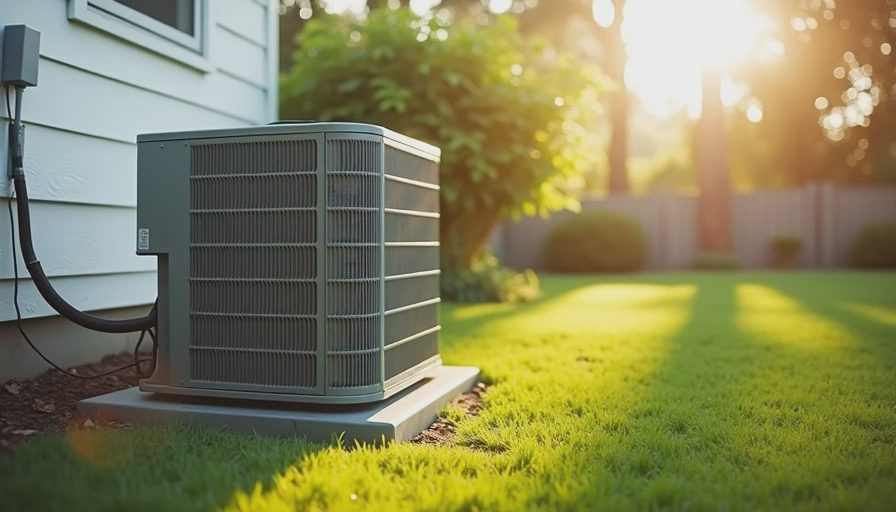
Look at the outdoor coil; heavy dirt or debris is an easy efficiency killer.
Track whether the indoor humidity feels higher than it used to at the same thermostat setting.
Schedule a service visit that includes airflow and refrigerant checks rather than just a quick filter change and visual once-over.
If the system is older than 10–12 years, has required multiple significant repairs, and shows several of the signs above, the conversation should include realistic repair-versus-replace numbers rather than another short-term fix.
Bottom line
An air conditioner that still cools the house can still be an energy drain. Constant operation, poor humidity control, rising bills, weak airflow, frequent repairs, uneven rooms, and lukewarm supply air are all practical indicators that the system is costing more than it should.
You do not need to panic at the first sign. You do need to connect the symptoms to the actual operating cost and comfort level in your climate. In long Southern summers those extra kilowatt-hours add up across many months.
Not every upgrade has to happen now. The goal is a smarter decision, not a faster yes.
If two or three of these signs are already familiar, start with a thorough service visit and an honest look at the system’s age and repair history. That information will tell you whether maintenance, repair, or replacement is the rational next move.