Let’s figure out what’s actually worth it.
Gutters are easy to ignore until water is cascading over the edge or the fascia starts looking soft. By then the decision feels urgent, and urgency is a poor lens for spending money. Most gutter problems fall into one of three categories: simple maintenance or repair, clear replacement, or the gray zone where waiting is still reasonable but not indefinite.
Here’s a practical way to sort them, especially in heavy-rain and storm-prone regions.
When repair (or thorough maintenance) is the right move
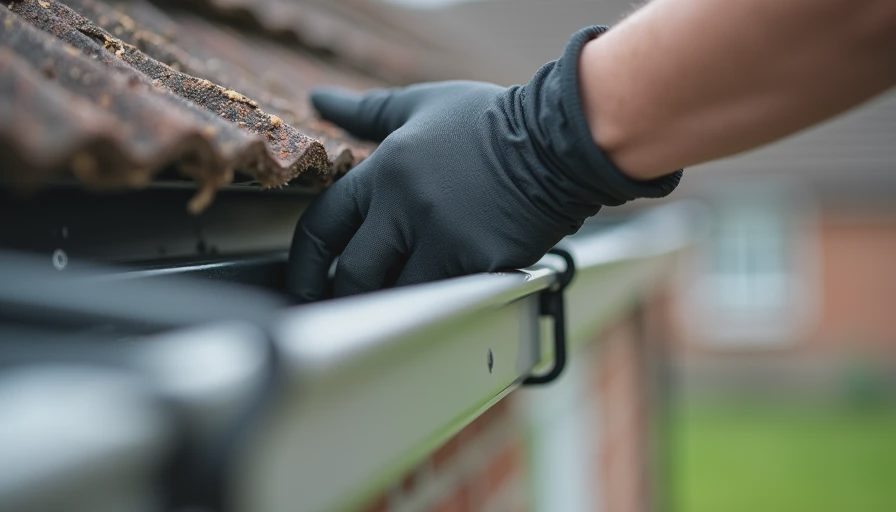
Repair makes sense when the underlying system is still fundamentally sound.
Clear candidates for cleaning and minor repair:
Debris buildup is the main issue and the gutters themselves are intact
A few hangers have loosened but the fascia is solid and the pitch is still correct
Isolated seam leaks or end-cap failures on otherwise good sections
Downspout clogs or missing extensions that are easy to correct
Minor sagging in one or two spans that can be re-secured
In these cases a proper cleaning, fastener replacement, resealing of joints, and attention to discharge points restore function at a fraction of replacement cost. This is also the time to evaluate whether the current size and number of downspouts are adequate; small upgrades here can prevent recurring overflow without a full system change.
If the gutters are less than roughly 10–15 years old, made of solid material, and show only localized problems, start with repair.
When replacement is the smarter economic choice
Replacement becomes the rational path when the system has reached the end of its reliable life or was never adequate for the roof and climate.
Strong signals that point to replacement:
Widespread corrosion, cracking, or metal fatigue
Multiple sections pulled away from the fascia or chronically sagging despite previous repairs
Persistent overflow during ordinary heavy rain even after cleaning (often a capacity or pitch problem)
Fascia that is soft, rotting, or previously patched in many places—the attachment surface itself is failing
Undersized gutters (common on older homes) that cannot handle the rainfall rates common in the South and Gulf regions
Repeated service calls over a few seasons for the same systemic issues
At this stage, continuing to patch usually costs more over a few years than installing a properly sized, well-attached new system. Replacement also lets you correct design shortcomings: larger profile gutters, better hanger spacing, improved downspout placement, and clean discharge away from the foundation.
If you are already repairing fascia or painting the exterior, coordinating new gutters at the same time is usually efficient.
The gray zone: when waiting is still reasonable
Not every imperfect gutter needs immediate action. Waiting is acceptable when:
The gutters move water adequately in normal storms and only overflow in extreme events
There is no evidence of fascia damage, foundation moisture, or erosion linked to the system
Problems are limited and monitoring them is easy
Higher-priority issues (roof leaks, active foundation water, failing HVAC, etc.) need the budget first
“Waiting” here means active watching, not forgetting. Re-inspect after major storms, keep the gutters cleaned on a realistic schedule, and set a clear threshold for when you will revisit the decision (for example, the next time overflow reaches the fascia or a section pulls loose).
When to stop waiting
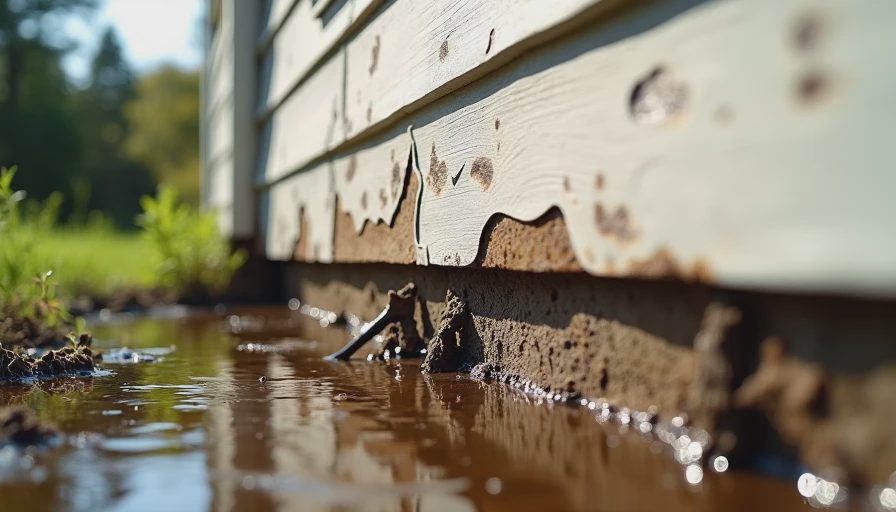
Delayed maintenance turns into expensive repair when water repeatedly runs where it should not. Stop waiting if you observe:
Soft, dark, or crumbling fascia boards
Peeling paint or staining on siding directly below overflow points
Soil erosion, mulch washout, or standing water against the foundation after rain
Water intrusion symptoms in crawlspaces, basements, or lower-level interiors that track with storms
Gutters that have pulled away enough to create large gaps at the roof edge
These are no longer cosmetic or convenience issues. They are active moisture pathways. At this point the cost of continued delay is usually higher than the cost of fixing the gutters and any secondary damage already underway.
Decision framework in one pass
Clean and inspect thoroughly. Many “failing” gutters are simply full or poorly fastened in a few places.
Assess the structure. Is the fascia solid? Are the hangers holding? Is the pitch correct?
Evaluate capacity. Do they overflow only when clogged, or even when clear during heavy rain?
Look for downstream evidence. Any fascia, siding, or foundation symptoms linked to overflow?
Compare cumulative repair cost versus replacement. If you have already repaired the same system multiple times in recent years, run the numbers honestly.
If steps 1–3 reveal only limited, fixable issues and step 4 is clean, repair and maintain. If multiple systemic problems appear or step 4 shows damage, replacement is usually the clearer value. If everything is marginal but stable, you can wait—while watching for the stop-waiting triggers above.
Practical notes for heavy-rain climates
Size and downspout count matter more than material brand. Undersized systems fail first under tropical or intense thunderstorm rainfall rates.
Attachment quality determines whether the gutters stay in place when full of water and hit by wind.
Guards can reduce cleaning frequency but do not solve capacity, pitch, or attachment failures. Fix those first.
Coordination with roof edge metal, drip edge, and fascia condition prevents new gutters from being undermined by adjacent problems.
Bottom line
Repair when the gutters are fundamentally sound and the problems are localized. Replace when corrosion, widespread detachment, chronic overflow, or fascia failure show the system is past reliable service. Waiting is reasonable only while there is no active moisture damage and higher priorities claim the budget—and it should come with a clear plan to reassess.
Gutters are not the most glamorous upgrade, but in heavy-rain states they protect far more expensive parts of the house. Handling them at the right time is one of the quieter ways to avoid large, preventable costs.
Not every upgrade has to happen now. The goal is a smarter decision, not a faster yes.
If water is already staining fascia or pooling at the foundation after ordinary storms, the time to stop waiting has arrived. If the system is merely due for cleaning and a few new hangers, start there and save the larger expense for when it is actually needed.