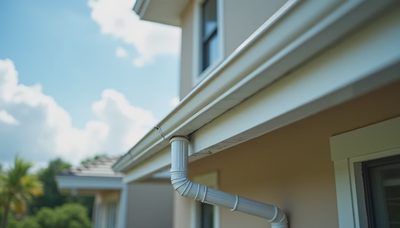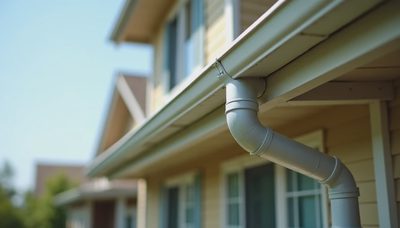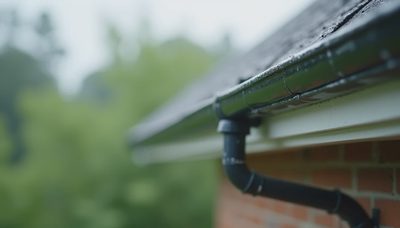
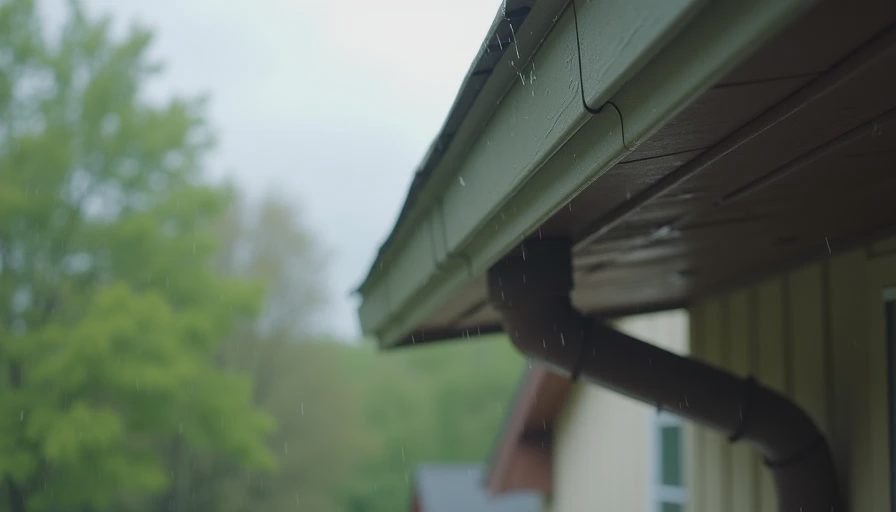
Let’s figure out what’s actually worth it.
Gutters rarely make the highlight reel of home upgrades. They’re not as visible as new windows or siding, and they don’t come with the same efficiency ratings as an HVAC system. Yet in heavy-rain and storm-prone states—Florida, the Carolinas, Georgia, parts of Texas, and similar climates—failing gutters quietly create some of the most expensive problems a house can develop.
The damage usually starts small and stays hidden until it isn’t.
What gutters are actually protecting
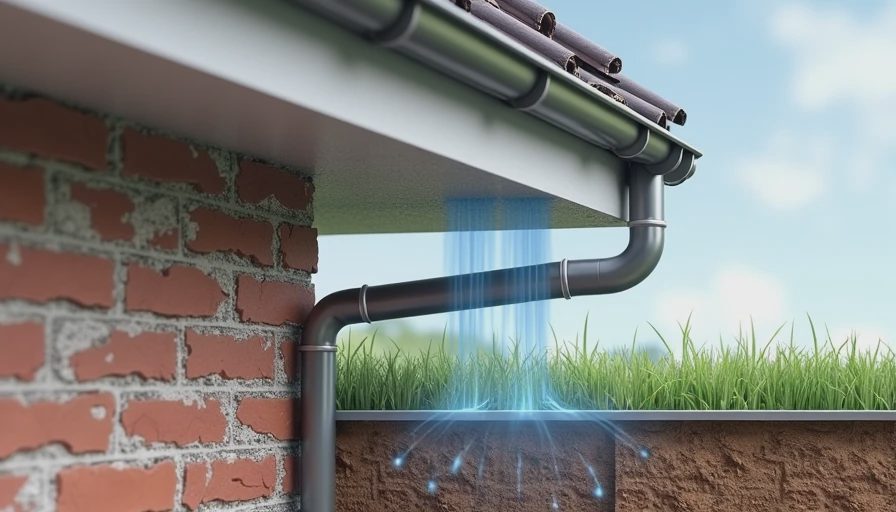
A working gutter system does three basic jobs:
Collects roof runoff and moves it away from the foundation
Protects fascia, soffits, and siding from constant water exposure
Reduces the amount of water that ends up against the foundation, in the basement or crawlspace, or eroding the soil around the house
When gutters clog, sag, pull away, or overflow, those jobs stop happening. Water finds other paths—usually down the face of the house, behind the siding, or straight into the soil next to the foundation.
In regions that see intense rain events, tropical systems, or frequent thunderstorms, the volume of water is large enough that even short periods of overflow can cause real harm.
The real costs of waiting
The direct cost of new gutters is straightforward. The indirect costs of failing ones are where the numbers get uncomfortable.
Fascia and soffit damage
Constant overflow saturates the fascia board. Once that wood softens or rots, you’re no longer looking at a gutter job. You’re looking at carpentry, possible soffit replacement, and sometimes paint or siding work to make it right. What could have been a few thousand dollars in gutters becomes a much larger exterior repair.
Foundation and drainage issues
Water that pours off the roof edge next to the house saturates the soil. Over time this can lead to basement or crawlspace moisture, settling, cracks, or the need for drainage corrections. Foundation-related work is almost always more expensive than keeping water away from the house in the first place.
Landscape and hardscape erosion
Repeated cascading water carves channels in beds, undermines walkways, and deposits debris. Fixing the grading or replacing damaged landscaping adds up.
Interior moisture and mold risk
In humid climates, water that reaches wall cavities or crawlspaces raises the odds of hidden moisture problems. These are rarely cheap or simple once they appear.
Shortened life of other exterior materials
Siding, trim, and even window exteriors take more abuse when gutters aren’t doing their job. You may end up replacing or repairing those materials sooner than necessary.
None of these problems appear on a single dramatic day. They accumulate across multiple heavy-rain seasons.
Signs your gutters are already costing you
You don’t need a specialist to spot the early warnings:
Waterfalls over the edge during ordinary rain
Sagging sections or visible separation from the fascia
Stains or streaking on siding below the roofline
Soft, rotting, or peeling fascia boards
Puddling or erosion directly below roof edges
Gutters that stay full of debris long after rain ends
Basement or crawlspace moisture that appears after storms
Any one of these is worth investigating. Several together usually mean the system is past simple maintenance.
Repair, replace, or add guards?
Not every gutter problem requires a full replacement.
Cleaning and minor resealing can restore function if the gutters are still solid and properly pitched.
Sectional repairs or hanger replacement work when only parts of the system have failed.
Full replacement becomes the rational choice when the metal is corroded, the pitch is wrong across long runs, the fascia is already compromised, or the existing gutters are undersized for the roof area and local rainfall intensity.
Gutter guards reduce cleaning frequency, especially under heavy tree cover. They are not magic and they add cost, but in debris-heavy or hard-to-reach locations they can be a practical long-term tradeoff. They do not fix undersized or poorly pitched gutters.
In heavy-rain climates, capacity and secure attachment matter as much as the material. Undersized gutters that overflow in every downpour are only slightly better than no gutters at all.
How to think about timing and priority

Gutters sit in an interesting place on the upgrade list. They rarely deliver the same energy-bill impact as HVAC or windows, yet they protect the investments you make in those other systems and in the structure itself.
A useful way to prioritize:
If gutters are actively overflowing and fascia or foundation symptoms are already visible, move them up the list. The downstream costs are rising.
If they are merely due for cleaning or show early sagging, schedule maintenance before the next heavy-rain season.
If they are functioning and the house shows no water-related symptoms, they can wait behind higher-impact energy or comfort projects.
The goal is not to treat every gutter as an emergency. It is to avoid turning a modest maintenance item into a structural or moisture problem.
Bottom line
Failing gutters in heavy-rain states cost far more than the price of the gutters themselves. The bill shows up later—in fascia repairs, drainage work, moisture remediation, and shortened life of other exterior materials.
Check the simple signs. Keep them clean and securely attached. Replace them when the system has clearly reached the end of its useful life or is undersized for your roof and climate. Adding guards can make sense in the right conditions, but only after the underlying gutters are sound.
Not every upgrade has to happen now. The goal is a smarter decision, not a faster yes.
If water is already running where it shouldn’t during ordinary storms, this is one of the quieter problems worth solving before it gets expensive.