Let’s figure out what’s actually worth it.
Window replacement sits in a gray zone for many homeowners. The windows look tired, energy bills feel high, and contractors are ready with efficiency claims. At the same time, the project is expensive, disruptive, and not always the highest-return upgrade in the house. Knowing when it makes clear sense—and when it is reasonable to wait—saves both money and regret.
Here is a practical framework for hot, humid, and storm-influenced climates.
When replacement is usually worth it
1. The windows are single-pane or have widespread seal failure
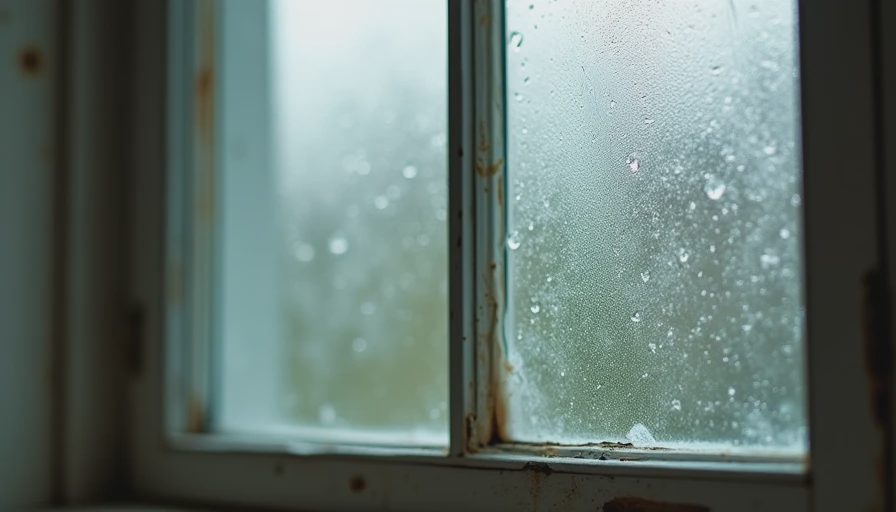
Single-pane glass, especially in metal frames, is a genuine energy and comfort liability in long cooling seasons. Fogged insulated glass (failed seals) loses much of its insulating value and often looks permanently cloudy. In these cases the performance jump to modern Low-E double-pane units is large enough that the project tends to justify itself on comfort, load reduction, and basic functionality.
2. Comfort problems line up with the windows
Rooms that overheat on sunny afternoons, noticeable drafts near the glass, or persistent condensation issues that track with older windows are strong practical signals. When the discomfort is localized to glazed areas and the rest of the envelope is reasonably sound, windows move up the priority list.
3. You are already doing major exterior work
If siding, exterior trim, or a larger renovation is underway, the marginal cost and disruption of replacing windows at the same time is lower. Labor efficiencies and the ability to detail the weather barrier correctly make concurrent work more attractive.
4. Storm or impact performance is a real need
In hurricane-prone or high-wind zones, older windows that offer little impact resistance create both safety and insurance considerations. Upgrading to rated impact glass or systems can be worth it for risk reduction even when pure energy payback is modest.
5. You plan to stay long enough to capture the benefits
Energy savings, improved comfort, and reduced maintenance accrue over years. If your timeline in the house is short, the financial case weakens unless the windows are truly failed or the buyer pool in your market strongly values new windows.
When replacement is often not the best next step
1. The windows are intact double-pane with only cosmetic issues
Faded frames, minor scratches, or dated style are real but do not automatically equal high energy loss. If seals are sound, operation is acceptable, and drafts are minimal, the efficiency gain from replacement is usually modest. Other upgrades—attic insulation, air sealing, duct repair, or HVAC efficiency—often deliver clearer returns first.
2. Bigger energy losses remain unaddressed
A house with a poorly insulated attic, leaky ducts, or an aging low-SEER air conditioner will still feel the effects of those problems after new windows go in. Sequence matters. Fixing the largest losses first improves overall comfort and makes any later window investment more effective.
3. Budget is constrained and windows are only a moderate weak point
When funds are limited, prioritizing a failing HVAC system, critical air sealing, or moisture control usually protects comfort and prevents larger expenses better than replacing serviceable windows. Windows can be phased or delayed without the same urgency as a system that is about to fail.
4. The primary motivation is curb appeal or resale speculation
New windows can help with marketability, but treating them purely as a resale upgrade is risky. Appraisals and buyer preferences vary, and you may not recover the full cost in a short timeline. If energy and comfort benefits are secondary in your thinking, be cautious about the scale of the project.
5. Installation quality is uncertain
Even excellent windows perform poorly when installed with gaps, compressed insulation, or improper flashing. If you cannot confirm a careful installation approach, the risk of underperformance rises and the value of the project drops.
A simple decision filter

Ask yourself these five questions:
Are most of the windows single-pane or visibly failed (fogged, inoperable, major drafts)?
Do specific comfort or condensation problems clearly trace to the windows?
Have higher-impact energy items (attic, ducts, HVAC) already been addressed or ruled out as bigger problems?
Is the project timed with other exterior work that reduces cost and disruption?
Do you expect to stay long enough for comfort and energy benefits to matter?
Mostly “yes” answers → replacement is likely worth serious consideration.
Mostly “no” answers → waiting or limiting the scope is usually the rational move.
What “worth it” realistically looks like
In cooling-dominated climates, new windows rarely pay for themselves through energy savings alone in a very short period. The stronger case combines several benefits: lower cooling load, better comfort, reduced drafts, improved humidity control near the glass, noise reduction, and—when needed—better storm performance. When several of those stack up and the existing windows are truly underperforming, the project makes sense. When the windows are only middling and other losses are larger, it is reasonable to keep them on a later list.
Bottom line
Window replacement is worth it when the existing units are genuine performance failures, comfort problems map directly to the glass, or storm and durability needs justify the investment. It is often not the best next dollar when the windows are still serviceable, larger energy losses remain, or the timeline in the house is short.
Treat the decision like any other major upgrade: diagnose the actual condition, compare it to other priorities, and match the scope to your climate and plans. You do not have to replace every window to solve the biggest problems, and you do not have to rush the project if the current windows are still doing their basic job.
Not every upgrade has to happen now. The goal is a smarter decision, not a faster yes.
If your windows are fogged, single-pane, or clearly driving hot rooms and drafts, put them on the active list. If they are mostly tired-looking but still sealed and functional, you can usually put the money toward higher-impact work first and revisit windows later.