

Let’s figure out what’s actually worth it.
When window replacement comes up, one of the first specification questions is whether to go with double-pane or triple-pane glass. Marketing materials often present triple-pane as the clear upgrade. In cold northern climates that can be true. In hot, humid, and storm-prone Southern states the calculus is different.
The extra pane helps, but it is not automatically the highest-value choice. Here’s a practical way to compare the two for Texas, Florida, Georgia, the Carolinas, and similar climates.
What the extra pane actually does
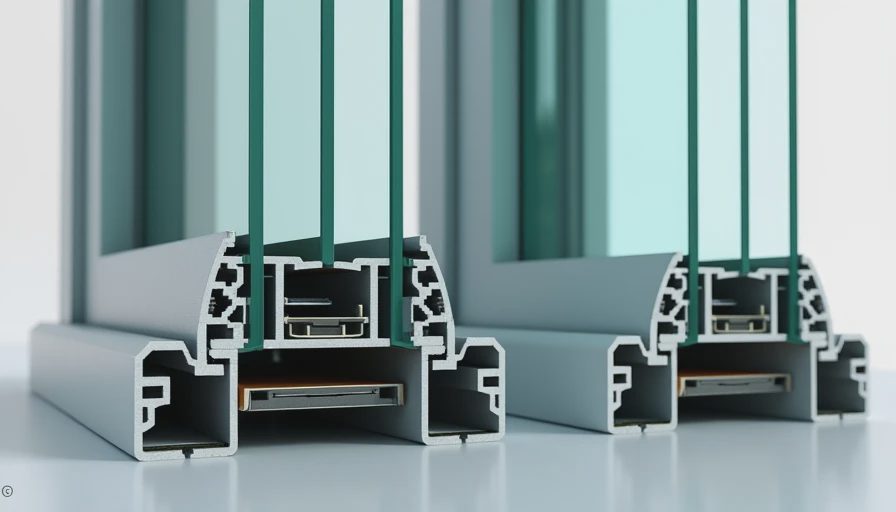
Both double-pane and triple-pane windows use insulating glass units (IGUs). Two or three panes of glass are sealed together with spacers, and the spaces are often filled with argon or krypton gas. Low-E coatings are applied to control heat transfer and solar gain.
Adding a third pane:
Lowers the U-factor (better insulating value against conductive heat flow)
Can further reduce solar heat gain when combined with the right Low-E coatings
Increases sound reduction
Adds weight and cost
Slightly reduces visible light transmission in some packages
In heating-dominated climates the lower U-factor delivers clear benefits. In cooling-dominated climates the Solar Heat Gain Coefficient (SHGC) and air leakage performance usually matter more than squeezing out the last bit of U-factor improvement.
Performance priorities for hot and stormy regions
For most Southern homes the ranking of window performance factors looks roughly like this:
Solar Heat Gain Coefficient (SHGC) — How much of the sun’s heat gets through. Lower is better for cooling load.
Air leakage — How tightly the window seals. Drafts undermine any glass package.
U-factor — Overall insulating value. Still important, but secondary to SHGC in long cooling seasons.
Visible transmittance and durability — Daylighting and long-term seal performance.
Impact resistance — Critical in hurricane-prone or high-wind areas, independent of pane count.
A well-designed double-pane window with a low SHGC Low-E coating, warm-edge spacers, and solid air sealing will outperform a poorly specified triple-pane unit on the metrics that drive summer energy use.
Double-pane: the practical default for most Southern homes
Modern double-pane Low-E windows are the workhorse choice for good reason:
Lower cost per window
Lighter weight (easier on existing frames and installation)
Excellent SHGC performance available
Sufficient U-factor for the modest heating loads in most of the South
Wide availability of impact-rated versions for coastal and high-wind zones
When the existing windows are single-pane or early-generation double-pane with failed seals, a quality double-pane replacement already produces the large majority of the available energy and comfort improvement.
When triple-pane can make sense
Triple-pane is worth a closer look in specific situations:
You are highly sensitive to noise (busy street, near a highway, or airport flight path)
The house has large amounts of glass and you want every incremental reduction in heat transfer
You are building or renovating to a very high performance standard and the rest of the envelope is already tight and well-insulated
Local utility rates are high and you plan to stay long enough to amortize the extra cost
You also want the modest heating-season benefit in the colder pockets of the region
Even then, compare the actual NFRC-rated SHGC and U-factor numbers rather than assuming “triple” automatically wins. Some double-pane packages with advanced coatings compete closely on solar control.
Cost and payback realities
Triple-pane typically adds a noticeable premium—often 15–30% or more per window depending on the brand, frame material, and impact requirements. In a cooling-dominated climate the extra energy savings from the third pane alone are usually modest once you already have a good low-SHGC double-pane unit.
That means the payback period for the upgrade from good double-pane to triple-pane is often long unless other factors (noise, comfort preference, or a whole-house high-performance goal) matter to you. The bigger jump in performance—and the clearer payback—almost always comes from replacing poor existing windows with any quality modern insulating glass package, not from choosing three panes over two.
Storm and impact considerations
In hurricane-prone or high-wind areas, impact resistance and proper installation details matter more than pane count. Many impact-rated windows are double-pane with laminated glass. Triple-pane impact products exist but add weight and cost. If storm protection is a primary driver, focus first on the impact rating, the frame strength, and the installation method. Glass package (double vs triple) is a secondary decision.
How to decide without over-specifying

Ask these questions in order:
Are the current windows single-pane or clearly failed? → A quality double-pane Low-E unit captures most of the benefit.
Is solar heat gain the main comfort complaint? → Prioritize low SHGC; both double- and triple-pane can deliver it.
Is outdoor noise a significant issue? → Triple-pane (or laminated double-pane) gains appeal.
Is the rest of the house envelope already high-performing? → The incremental value of triple-pane rises.
Does the price difference fit the budget without crowding out higher-impact work (attic, ducts, HVAC)? → If not, stay with strong double-pane.
Bottom line
For the majority of homes in hot and stormy Southern climates, a well-chosen double-pane Low-E window with a low Solar Heat Gain Coefficient is the higher-value choice. It delivers most of the energy and comfort improvement at a lower cost and lighter weight.
Triple-pane is a legitimate upgrade when noise control, maximum thermal performance, or a whole-house efficiency target justifies the premium. It is rarely the automatic best next step simply because it has an extra pane.
Look at the NFRC labels for SHGC and U-factor, confirm air-leakage ratings, and match the glass package to your actual climate loads and priorities. The best window is the one that solves your biggest problems without overspending on performance you will barely notice.
Not every upgrade has to happen now. The goal is a smarter decision, not a faster yes.
If you are replacing windows that are truly underperforming, start with a solid double-pane specification. You can always revisit triple-pane for specific rooms or a future project if the numbers and comfort goals support it.