Let’s figure out what’s actually worth it.
When the summer bills climb and the house doesn’t feel as comfortable as it should, two upgrades rise to the top of most homeowners’ lists: a new HVAC system or new windows. Both are significant investments. Both get marketed with energy-savings claims. And both can improve comfort. The practical question is which one usually delivers the clearer, faster return in a hot, humid Southern climate.
There is no universal winner. But there is a reliable way to think about the tradeoff so you don’t default to whichever contractor calls first.
How the two upgrades actually save energy
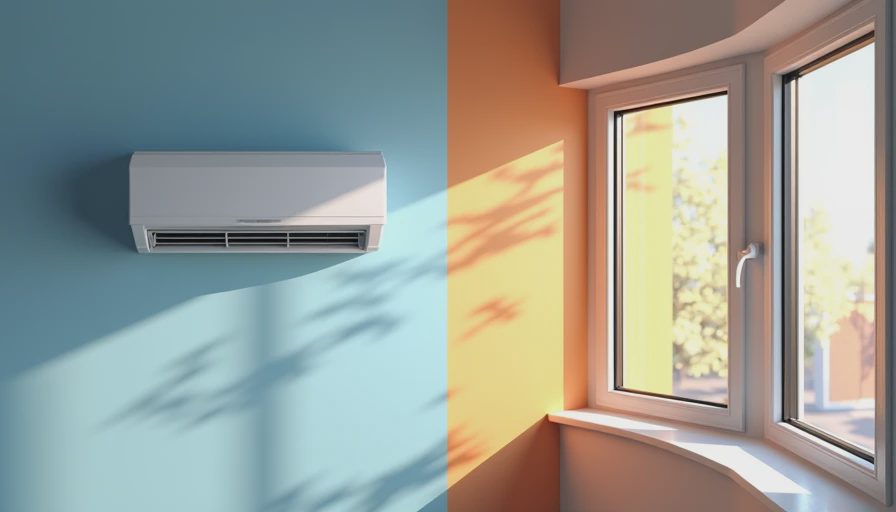
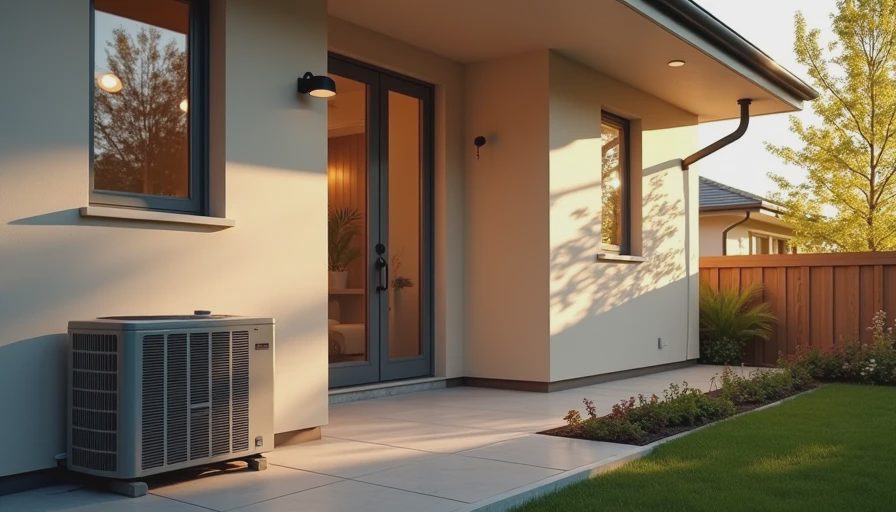
HVAC replacement improves efficiency at the source. A new, properly sized system with a higher SEER (or SEER2) rating uses less electricity to produce the same amount of cooling. In climates where the air conditioner runs five to seven months a year, that difference compounds. You also gain better humidity control and fewer repair calls if the old system was failing.
Window replacement improves the building envelope. Better glass and tighter frames reduce solar heat gain and air leakage. In sunny, hot regions this lowers the cooling load the HVAC system has to handle. The savings are real but usually smaller on a percentage basis than a major efficiency jump in the cooling equipment itself—unless the existing windows are single-pane or badly failed.
In short: HVAC upgrades reduce the cost of producing cool air. Window upgrades reduce how much cool air you need to produce. Both matter. Their relative impact depends on the starting condition of each.
Typical payback patterns in hot climates
These are directional patterns, not guarantees. Actual results vary with house size, orientation, existing equipment, local utility rates, and installation quality.
When the HVAC system is old, inefficient, or unreliable
Replacement usually shows the faster and larger reduction in monthly cooling costs. Moving from a 10–12 SEER system to a modern 16–18+ SEER unit (or a well-designed heat pump) can cut cooling energy use noticeably. Add in avoided repair costs and improved comfort, and the economic case often appears within a few seasons for homeowners who plan to stay.When the windows are single-pane, aluminum-framed, or clearly failed (fogged seals, major drafts)
Window replacement can deliver meaningful load reduction, especially on west- and south-facing elevations. In these cases the envelope improvement is substantial enough that it competes more closely with an HVAC upgrade.When both are mediocre but neither is in crisis
The HVAC side more often edges ahead on pure energy-bill impact in cooling-dominated climates, simply because the equipment runs so many hours. Windows still improve comfort and can reduce peak load, but the monthly savings are typically more modest unless the existing windows are a major weak point.When the ducts are leaky or the system is poorly sized
Fixing air distribution problems (sometimes as part of an HVAC replacement) can outperform new windows on comfort and efficiency. Duct issues are easy to underestimate.
Five questions that help you choose
How old and how inefficient is the current HVAC system?
A 12–15-year-old unit with a low original SEER rating and rising repair frequency is usually the higher-priority energy investment.What is the actual condition of the windows?
Single-pane glass, widespread seal failure, or obvious drafts strengthen the window case. Intact double-pane windows with decent frames weaken it.Where are the comfort complaints?
Whole-house temperature swings and high humidity often point more toward the cooling system or ducts. Specific rooms that overheat on sunny afternoons point more toward window solar gain.How long do you plan to stay?
Longer time horizons favor the upgrade with stronger cumulative energy savings and lower ongoing repair risk—frequently the HVAC side when the system is near end-of-life.Are there incentives that change the math?
Utility rebates, tax credits, or financing can shift the net cost of either project. Check current programs before deciding; they change and are often equipment-specific.
A practical decision order most homeowners can use
If the air conditioner is failing, short-cycling, or clearly undersized and the windows are only moderately old → prioritize HVAC.
If the HVAC system is relatively recent and efficient but the windows are single-pane or badly compromised → prioritize windows.
If both need attention and budget allows only one major project → run the numbers on expected energy savings plus repair avoidance for the HVAC option, and compare that to the expected load reduction and comfort gain from windows. In most hot-climate cases with an aging system, HVAC still comes out ahead on pure payback.
If budget allows sequencing → many households get better overall results by improving the higher-impact item first (often HVAC) and addressing windows in a later phase, especially if the windows are not in crisis.
Comfort and risk are part of the return
Payback is not only about the monthly bill. A new HVAC system that actually controls humidity and maintains even temperatures changes how the house feels for many months of the year. New windows reduce drafts, noise, and hot spots near the glass. Both have value beyond the kilowatt-hours.
Risk matters too. An old compressor that fails on a July weekend creates an urgent, expensive problem. Windows rarely fail in the same sudden way. That reliability difference is worth factoring in if your current system is already showing age-related issues.
Bottom line

In hot, humid Southern climates, an aging or inefficient HVAC system more often delivers the clearer and faster energy payback than window replacement—provided the windows are not single-pane or in obvious failure. When windows are a major weak point, the gap narrows or disappears.
Start with the actual condition of both. Use the five questions above. Look at incentives. Then choose the upgrade that best matches your house’s biggest current loss and your timeline in the home.
Not every upgrade has to happen now. The goal is a smarter decision, not a faster yes.
If your cooling system is past the 10–12 year mark and repairs are becoming regular, it usually deserves the first hard look. If the system is solid and the windows are the clear weak link, the order reverses.