If you are researching uv lights for a/c units, you are probably trying to solve one of three problems: musty odors, recurring buildup around the indoor coil, or concern about air quality. These systems can be useful, but they are not a magic filter and they will not fix every HVAC problem. Let’s figure out what’s actually worth it before you spend several hundred dollars on a contractor upgrade.
What UV lights do inside an HVAC system
A residential HVAC UV light uses ultraviolet-C energy near the indoor evaporator coil or inside the air handler. When installed correctly, the lamp continuously exposes nearby surfaces to UV-C light. That exposure can help limit the growth of some mold, mildew, and bacteria on damp coil surfaces and in the drain pan. The goal is a cleaner interior environment, not a dramatic increase in cooling power.
The most common setup is a coil-mounted lamp that points at the evaporator coil. A second style is an air-stream unit designed to expose moving air as it passes through the return or supply system. Coil-mounted equipment is usually the simpler choice because the coil and drain pan are locations where moisture naturally collects. If the light is placed where it cannot directly reach a surface, its effect will be limited.
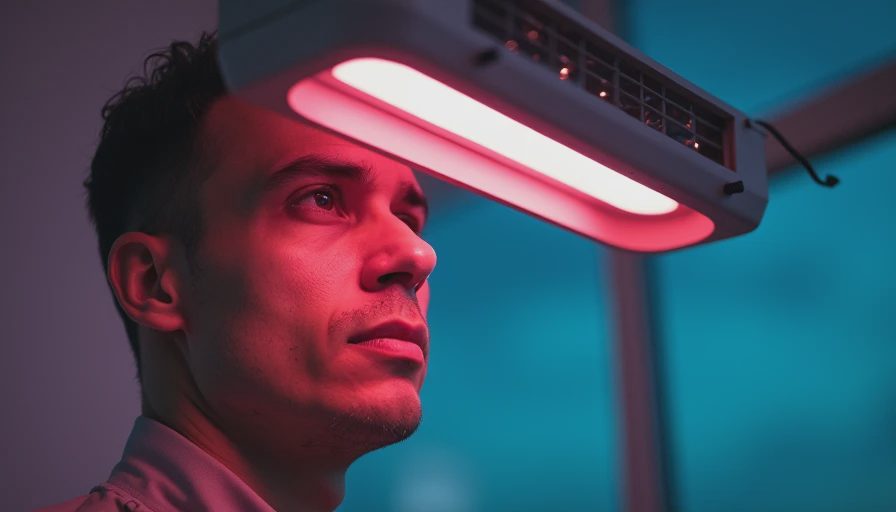
UV-C is different from visible purple or blue decorative lighting. It is a specialized wavelength that requires proper shielding and installation. Never look directly at an operating UV-C lamp. A qualified HVAC technician should mount it inside the cabinet, add a service switch or safety interlock where appropriate, and keep the light away from exposed skin and eyes.
Benefits and limits homeowners should understand
The strongest case for uv lights for a/c units is a damp, frequently used system with visible biological buildup. For example, a home in Houston, Tampa, or Raleigh may run air conditioning for long stretches while indoor humidity remains high. In that situation, a lamp can help keep the coil surface from becoming a favorable place for growth between professional cleanings.
Some homeowners also notice fewer musty smells after the coil and drain pan are cleaned and a UV light is installed. That result depends heavily on the source of the odor. A dirty filter, wet insulation, stagnant drain line, dirty blower wheel, or moldy duct liner will not be cured by shining a lamp near the coil. The system should be inspected and cleaned first.
These lights are not a replacement for a properly sized filter. A pleated filter rated around MERV 8 to MERV 11 is often a practical choice for many homes, but the HVAC equipment must be able to handle the added airflow resistance. UV-C also does not capture dust, pollen, pet hair, or smoke. Filtration handles particles; UV light addresses certain microorganisms that receive enough direct exposure.
How much do UV lights cost?
A basic single-lamp installation commonly falls in the range of $300 to $800, including equipment and labor. More advanced systems with two lamps, air-stream treatment, monitoring, or a branded control package can cost $900 to $1,500 or more. The exact quote depends on cabinet access, electrical work, the size of the air handler, and whether the technician performs a coil cleaning at the same visit.
Replacement lamps are a recurring expense. Many manufacturers recommend replacing a lamp about once a year, even when it still appears to glow, because UV output declines over time. Replacement costs often range from roughly $75 to $250, depending on the model and whether you do the work yourself. Some lamps also use a small amount of electricity continuously, so the energy impact is usually modest but not zero.
Ask for the model number, lamp replacement price, warranty terms, and labor charge before approving the work. A $400 quote may be reasonable if it includes safe cabinet installation and a useful warranty. A $1,200 quote deserves a clear explanation of what additional equipment or service justifies the difference.
Choosing the right installation
When comparing uv lights for a/c units, focus less on the color of the lamp and more on placement, coverage, safety, and serviceability. A technician should explain whether the lamp targets the evaporator coil, drain pan, blower compartment, or air stream. Ask to see where the unit will be mounted before the work begins.
Look for a design with a protected housing, a visible replacement indicator, and an easy way to shut off power before servicing the air handler. Some products include a viewing window, while others have a status light on the cabinet. Either option is useful because a failed lamp may not be obvious during normal operation.
Brand names such as RGF Environmental, Field Controls, Honeywell Home, and iWave appear in different HVAC indoor-air-quality product categories, but product lines vary. Do not choose solely because a contractor says a brand is premium. Compare the actual lamp life, warranty, replacement cost, and installation plan. A well-installed basic product can be more useful than an expensive system aimed at the wrong location.
When this upgrade makes sense
UV lights are more compelling when the HVAC system has repeated coil buildup, persistent musty odor after cleaning, or a humid operating environment. They can also be worth considering during an air-handler replacement, when the cabinet is open and wiring access is easier. Adding a lamp during that project may reduce labor compared with a separate installation later.
The upgrade is less urgent when the system is dry, clean, well-maintained, and free of odor. If your air quality concern is dust or allergies, start with filter fit, duct leakage, indoor humidity, and a properly sized portable or whole-home air cleaner. If your energy bill is the main concern, sealing ducts, correcting refrigerant problems, improving attic insulation, or replacing an aging air conditioner may produce a more meaningful result.
A homeowner with a ten-year-old system should also consider timing. Spending $800 on accessories for equipment near the end of its service life may not be the best sequence. Have the technician evaluate the coil, blower, drain pan, and expected repair needs before adding another component.
Questions to ask before saying yes
Ask whether the coil and drain pan will be cleaned before installation. Ask what the light is intended to treat and what it cannot treat. Confirm whether the lamp is ozone-free and whether the product has safety features that prevent exposure when the cabinet opens. Request the annual replacement cost in writing, not just the installation price.
It is also smart to request two quotes using the same scope. One contractor might quote a coil-mounted lamp for $450, while another proposes a $1,100 air-treatment package with additional controls. Those are not equivalent products, so compare placement and maintenance rather than assuming the higher price means better performance.
Finally, ask whether the installation affects the HVAC warranty. Most reputable contractors can answer this clearly and provide product documentation. Do not let a sales representative pressure you into an air-quality package before identifying the actual source of the problem.
Bottom line for homeowners
For the right damp, dirty, or odor-prone system, uv lights for a/c units can be a sensible maintenance upgrade. They are most valuable when paired with coil cleaning, humidity control, good filtration, and regular HVAC service. They are not a substitute for those basics, and they are rarely the first energy-saving project I would recommend.
Start by inspecting the system and getting a detailed quote. If the lamp is correctly placed, safely installed, and reasonably priced, it can help protect the indoor coil and reduce recurring buildup. If the contractor cannot explain the target, maintenance cost, or expected benefit, pause. Not every upgrade has to happen now; the goal is a smarter decision, not a faster yes.